
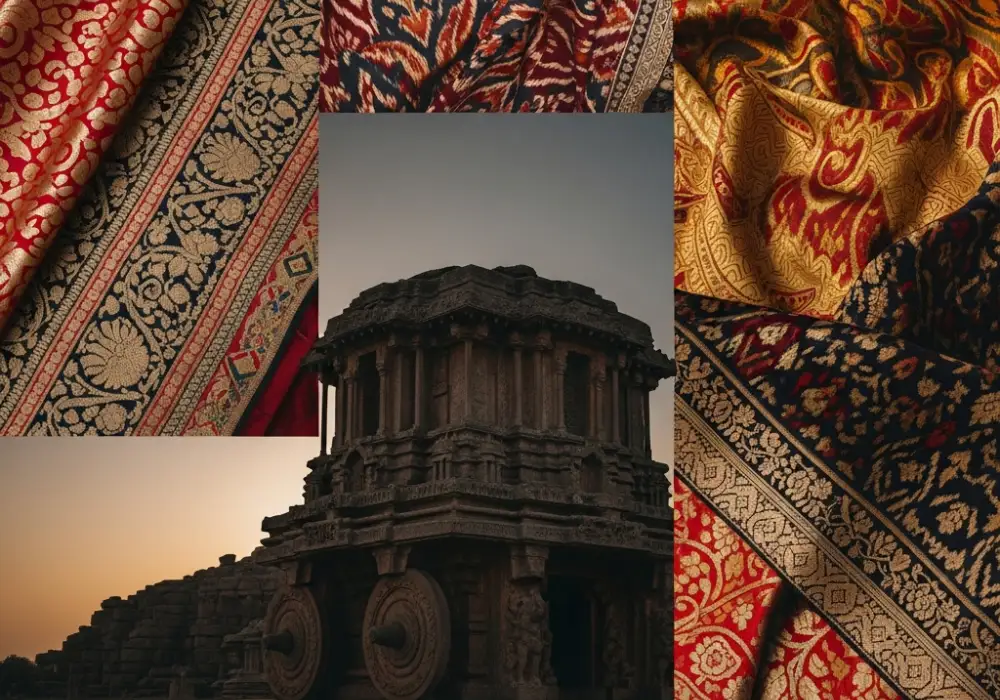
Introduction: Why Heritage and Culture Matter for NIFT
For design aspirants eyeing the National Institute of Fashion Technology (NIFT), the General Ability Test (GAT) is a critical hurdle. Within the General Knowledge and Current Affairs section, questions related to Indian Heritage and Culture carry significant weight. This is because fashion and design are deeply rooted in cultural contexts. Understanding traditional textiles, indigenous crafts, and historical monuments isn’t just about passing an exam—it’s about building the foundational knowledge required for a successful design career. This guide focuses on current affairs in the heritage sector, helping you stay ahead of the latest pattern of the NIFT entrance exam.
Table of Contents
The Crucial Link Between Heritage and Design
NIFT evaluates candidates on their awareness of India’s rich aesthetic legacy. Designers often draw inspiration from historical motifs, traditional weaving techniques, and tribal art forms. Current affairs in this niche often revolve around new GI tags for handlooms, UNESCO recognitions, and major cultural festivals. By staying updated on these topics, you demonstrate a holistic understanding of the design landscape. Mock tests available on myentrance.in frequently feature these themes to ensure students are well-prepared for the latest syllabus requirements.
💡 Pro-Tip: Visual Learning
Always look up images of the textiles or monuments you read about. NIFT GAT occasionally includes visual-based questions where you must identify a specific craft or pattern.
UNESCO World Heritage Sites: A Comparative Overview
India’s cultural footprint is globally recognized through UNESCO. For upcoming exams, it is vital to know the latest sites added to the list and the criteria for their selection. Sites are categorized into Cultural, Natural, and Mixed categories.
| Site Category | Relevance to NIFT | Notable Examples |
|---|---|---|
| Cultural Sites | Architectural motifs and history | Hampi, Ajanta Caves, Santiniketan |
| Natural Sites | Inspiration for sustainable fashion | Kaziranga National Park, Western Ghats |
| Intangible Heritage | Living traditions and craftsmanship | Durga Puja, Garba of Gujarat |
Keep a close watch on the Creative Cities Network as well, especially cities recognized for ‘Crafts and Folk Arts’ like Jaipur and Srinagar.
Indian Textiles and GI Tags
Geographical Indication (GI) tags are a major focus in NIFT current affairs. A GI tag identifies a product as originating from a specific territory where a given quality, reputation, or other characteristic of the product is essentially attributable to its geographical origin.
Must-Know Textiles for Upcoming Exams:
- Patola (Gujarat): Known for its intricate double-ikat weaving.
- Kanjeevaram (Tamil Nadu): Famous for its gold-dipped silver thread and high-quality silk.
- Phulkari (Punjab): Traditional flower-work embroidery.
- Chanderi (Madhya Pradesh): Known for its sheer texture and lightweight feel.
- Muga Silk (Assam): Naturally golden-tinted silk exclusive to the region.
New GI tags are awarded frequently. For instance, recent recognitions for local handlooms from Arunachal Pradesh or Odisha are highly likely to appear in the latest pattern of question papers.
Performing Arts: Dances and Festivals
Cultural festivals and classical dances form the core of India’s performing arts heritage. NIFT GAT often asks about the origin of these dances or the costumes associated with them.
- Bharatnatyam: Tamil Nadu (focus on the ‘Araimandi’ posture and Temple origins).
- Kathakali: Kerala (famous for its elaborate makeup and costumes).
- Sattriya: Assam (introduced by Mahapurush Sankaradeva).
- Chhau: Tribal martial dance from Odisha, West Bengal, and Jharkhand.
Focus on the Ministry of Culture’s latest initiatives like the ‘Amrit Mahotsav’ celebrations or regional ‘Utsavs’ that promote local artisans. Understanding the nuances of these events provides a competitive edge.
Strategic Preparation: How to Study Culture
Preparation for culture-focused current affairs requires a balanced approach between static knowledge and dynamic updates. Here is a strategy suggested by experts at myentrance.in:
- Read the PIB (Press Information Bureau): This is the most reliable source for government announcements regarding cultural heritage and GI tags.
- Maintain a ‘Culture Journal’: Note down every time a monument or craft is mentioned in the news.
- Solve Sectional Mock Tests: Take specialized GK tests that focus exclusively on Art, Culture, and History.
- Analyze Previous Papers: Identify the recurring themes—usually, there is at least one question on textiles and one on UNESCO sites.
Frequently Asked Questions (FAQs)
What is a GI Tag and why is it important for NIFT?
A GI Tag protects the intellectual property of traditional artisans. For NIFT, it is important because it highlights specific textile and craft clusters that are relevant to the Indian fashion industry.
How often should I update my culture current affairs notes?
Cultural news doesn’t change as fast as sports or politics, but a monthly review of major awards (like the Padma Awards for artists) and UNESCO updates is recommended.
Does NIFT ask about international heritage?
While the focus is 90% on India, major global UNESCO sites or international fashion heritage (like French Haute Couture history) can occasionally appear in the GAT.
Quick Knowledge Check
Test your knowledge with these three quick questions based on the latest syllabus:
1. Which state is famous for the ‘Kalamkari’ hand-painted textile?
💡 Click to Reveal Answer
Andhra Pradesh. It involves a 23-step process of painting on cloth using natural dyes.
2. ‘Garba’ was recently added to which UNESCO list?
💡 Click to Reveal Answer
UNESCO Representative List of the Intangible Cultural Heritage of Humanity.
3. Which Indian city is known as the ‘Pink City’ and is a UNESCO World Heritage site?
💡 Click to Reveal Answer
Jaipur, Rajasthan.
Need Personalized Guidance for NIFT?
Don’t leave your NIFT preparation to chance. Access high-quality mock tests, study materials, and expert mentorship at myentrance.in.
💬 Chat with our Experts on WhatsApp (+91 9526806124)




