
Mastering Traditional Indian Crafts for the NIFT GAT Exam
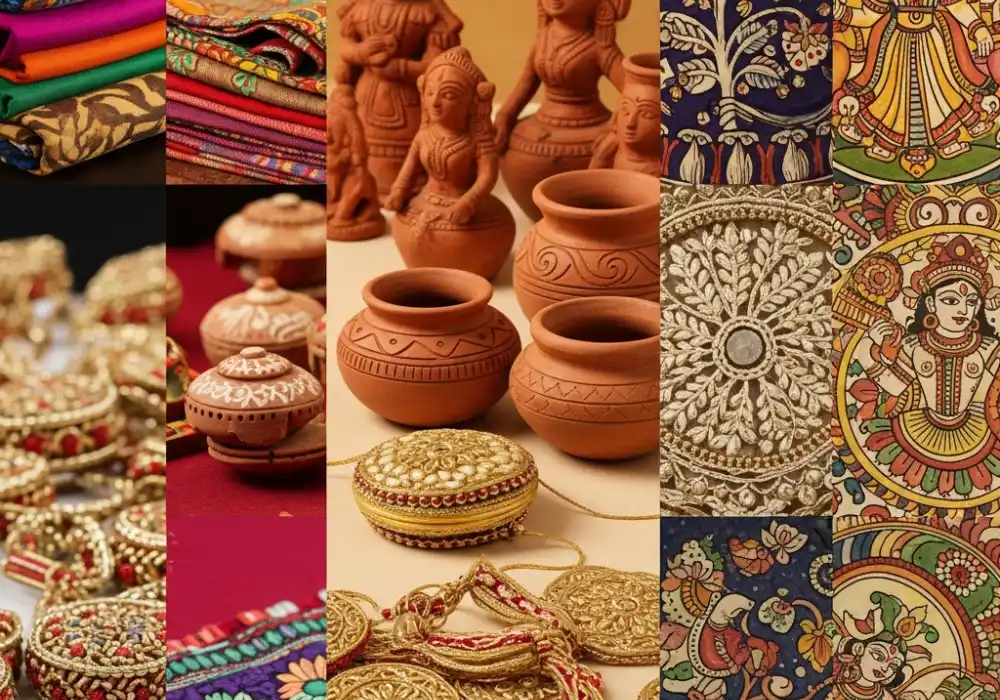
For any design aspirant eyeing the National Institute of Fashion Technology (NIFT), the General Ability Test (GAT) is a critical hurdle. Within the GAT, the General Knowledge and Current Affairs section frequently features questions about India’s vast and diverse craft heritage. Understanding traditional crafts is not just about memorizing names; it is about appreciating the intersection of history, geography, material science, and sociology. As a design student, the NIFT expects you to be aware of the cultural roots that inform modern fashion and lifestyle industries. India’s craft sector is the second-largest employer in the rural economy, after agriculture, making it a vital topic for the entrance exam. In this guide, we provide an interactive journey through the timeline of Indian crafts, followed by an intensive study manual to ensure you score full marks in this segment. We will look at how techniques like Ikat, Zardosi, and Kalamkari evolved and why they remain relevant in the contemporary design landscape. Students must focus on the ‘Geographical Indication’ (GI) tags, the specific communities involved, and the unique raw materials used in each craft. This comprehensive timeline serves as your visual cheat sheet to navigate the historical milestones of Indian craftsmanship, from the ancient kilns of the Indus Valley to the modern-day GI certifications that protect our national heritage.
3300 BCE – 1300 BCE
Indus Valley: The Birth of Metallurgy & Pottery
The foundations of Indian craft were laid in the Harappan civilization. Key exam takeaways include the ‘Lost Wax’ casting technique used for the famous ‘Dancing Girl’ bronze statue and the distinctive red-and-black painted pottery. This era marks the beginning of bead-making and cotton weaving in the Indian subcontinent.
3rd Century BCE
Mauryan Period: Stone Carving Mastery
The Mauryan Empire introduced sophisticated stone polishing and monumental sculpture. For NIFT, remember the Ashokan Pillars and the Yakshini figures. This period saw the rise of terracotta as a popular medium for folk art, reflecting the aesthetic sensibilities of ancient Indian society.
11th Century CE
Patola Weaving: The King of Silks
In Patan, Gujarat, the Salvi community perfected the ‘Double Ikat’ technique. Unlike single ikat, both warp and weft threads are tie-dyed before weaving. NIFT GAT often asks about the complexity of Patola, where a single saree can take months to produce and is identical on both sides.
16th Century CE
The Mughal Era: Zardosi and Chikankari
Persian influence transformed Indian textiles. This century saw the introduction of Zardosi (gold embroidery) and Chikankari (shadow work from Lucknow). Focus on the ‘Buta’ (paisley) motif and the use of floral patterns which were central to Mughal aesthetics and remain staple fashion elements today.
17th Century CE
Kalamkari: The Art of Pen-Work
Originating in Andhra Pradesh, Kalamkari (Kalam = pen, Kari = work) flourished under the Golconda Sultanate. Students should distinguish between Srikalahasti style (freehand drawing with mythological themes) and Machilipatnam style (block-printed with floral motifs).
18th Century CE
Phulkari: The Garden of Punjab
Meaning ‘Flower Work,’ Phulkari is the traditional embroidery of Punjab. It uses the darn stitch on the wrong side of the cloth (Khaddar) to create vibrant patterns. NIFT aspirants should know the ‘Bagh’ (garden) style, where the entire surface of the fabric is covered with embroidery.
19th Century CE
Pashmina and Jamawar of Kashmir
Kashmir became the center for luxury woolens. Pashmina is made from the wool of the Changthangi goat. The Jamawar shawl, featuring the intricate Kani weave, became a symbol of status globally. Understanding the difference between needle embroidery (Sozni) and woven patterns is crucial for the exam.
1905 CE
Swadeshi Movement: Craft as Politics
Traditional crafts became a tool for national identity. The Charkha and Khadi became icons of the Indian freedom struggle. This historical context is often tested to see if students understand the socio-political power of textiles in India.
1952 CE
Institutionalizing Crafts: The All India Handicrafts Board
Under the leadership of Kamaladevi Chattopadhyay, independent India began documenting and reviving dying crafts. This led to the formation of the Crafts Council of India. Students should study her role as she is often referred to as the ‘Mother of Indian Handicrafts’.
21st Century
The GI Tag Era: Protecting Intellectual Property
Geographical Indication (GI) tags have become a major exam topic. From Channapatna Toys of Karnataka to Blue Pottery of Jaipur and Madhubani Paintings of Bihar, these tags ensure that the craft’s name is legally protected based on its origin. This is the ‘Current Affairs’ side of the GAT craft section.
Comprehensive Study Guide: How to Ace Craft Questions
To successfully tackle the Traditional Crafts section of the NIFT GAT, you need a structured approach. Most questions fall into four categories: Location, Technique, Material, and Recognition. Here is how you can master each:
1. Regional Mapping
Create a map of India and pin the major crafts. For example, correlate Kantha with West Bengal, Kasuti with Karnataka, and Mekhela Chador with Assam. The exam often presents ‘Match the Column’ questions featuring states and their respective textiles or handicrafts.
2. Technical Terminology
Familiarize yourself with specific terms. Do you know the difference between Bandhani (Rajasthan/Gujarat) and Leheriya? Both are tie-dye techniques, but the patterns differ (dots vs. waves). Understand what Ajrakh signifies (block printing with natural dyes, predominantly blue and red) and its significance in the Khatri community of Kutch.
3. Sustainable Practices and Natural Dyes
NIFT emphasizes sustainability. Study the natural sources of dyes: Indigo (Blue), Madder Root (Red), Turmeric (Yellow), and Pomegranate skin (Green). The revival of natural dyeing is a major trend in contemporary design and is frequently discussed in GAT question papers.
4. Folk Paintings
Beyond textiles, folk paintings are vital. Study the narrative styles of Pattachitra (Odisha), the tribal aesthetics of Warli (Maharashtra), and the vibrant, geometric patterns of Madhubani (Bihar). Pay attention to the surfaces used—cloth, mud walls, or handmade paper.
Preparation Tips for GAT
- Follow the Ministry of Textiles: Keep an eye on government initiatives like ‘Handloom Day’ (August 7th) and new GI tag announcements.
- Visit Museums: If possible, visit the National Crafts Museum in Delhi or local emporiums like ‘Cauvery’ or ‘Mrignayani’ to see the crafts firsthand.
- Visual Learning: Use flashcards with the craft’s image on one side and its details on the back. Visual recognition is key for the GAT.
- Mock Tests: Regularly practice previous years’ GAT papers to understand the depth of craft-related questions.
Conclusion
Traditional crafts are the heartbeat of Indian design. For a NIFT aspirant, they are not just subjects but an inspiration for future collections. By mastering this timeline and the regional nuances of Indian handicrafts, you are not only preparing for an exam but also becoming a more informed designer. The GAT section rewards those who are curious about their culture. Keep exploring, stay updated with current GI tags, and remember that every thread tells a story of a thousand years.
Ready to Ace your NIFT GAT?
Get personalized guidance, free study materials, and access to the best NIFT mock tests with MyEntrance experts.
💬 Chat with our Experts on WhatsApp (+91 9526806124)




