
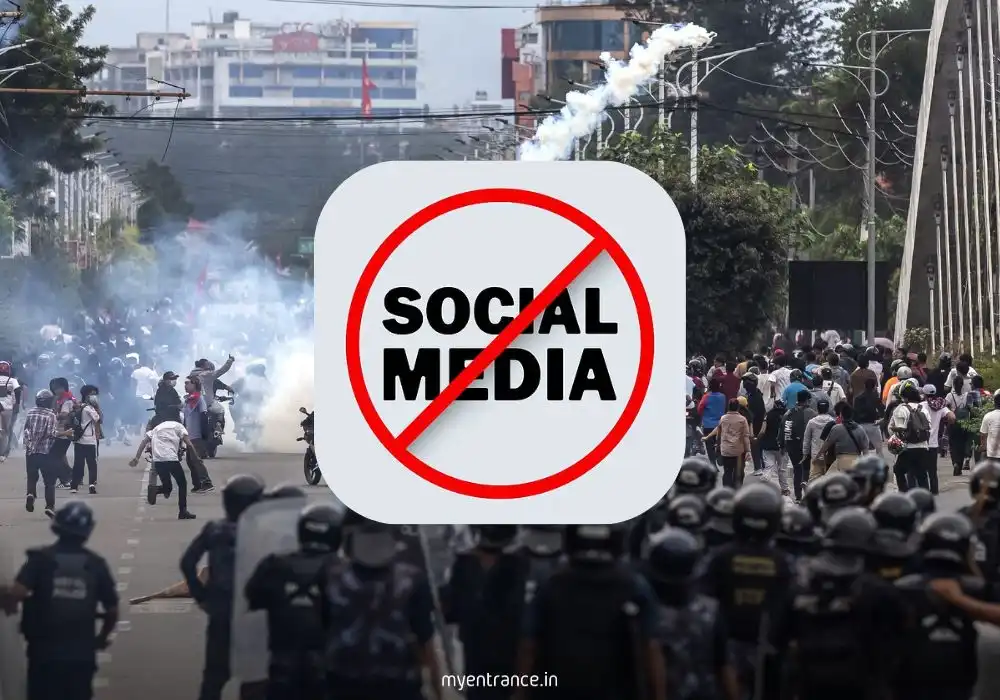
In a significant development that underscores the complex interplay between digital freedom and state control, Nepal’s government has recently reversed its controversial decision to block access to major social media platforms. Platforms like Facebook, X (formerly Twitter), and YouTube, which had been inaccessible, are now restored for public use, marking an end to a period of heightened digital restriction. This event holds crucial lessons for understanding socio-political dynamics and governmental responsiveness, particularly relevant for aspirants preparing for competitive examinations.
The initial imposition of the ban stemmed from the government’s assertion of regulatory non-compliance. Authorities had moved to block a total of twenty-six digital platforms, citing a failure to adhere to local regulations and registration requirements. This measure was presented as an effort to ensure digital platforms operated within the nation’s legal framework, emphasizing sovereignty over online content and data management within the country’s borders. The government’s objective was to ensure accountability from these widely used platforms.
However, this regulatory measure quickly ignited a wave of nationwide protests, primarily spearheaded by the nation’s youth, notably Generation Z activists. These demonstrations, fueled by a collective demand for digital access, freedom of expression, and the right to information, unfortunately escalated into violent confrontations across the country. The tragic aftermath included the loss of nineteen lives and hundreds of injuries, painting a stark picture of the public’s resolve against the digital blockade. The widespread dissent highlighted the critical role social media plays in contemporary communication, mobilization, and daily life for a significant portion of the population.
Faced with widespread public outrage, increasing casualties, and the persistent pressure from a digitally aware populace, the government found itself compelled to reconsider its stance. The decision to lift the ban on these crucial communication channels was a direct response to the escalating unrest and a recognition of the vital role these platforms play in public discourse and daily life. This swift reversal demonstrates the profound impact of organized public dissent, especially when amplified by a tech-savvy generation, on governmental policy.
For aspirants preparing for competitive examinations such as UPSC, SSC, PSC, NID, NIFT, and other government exams, this incident serves as a crucial case study in current affairs. It illustrates key themes like digital governance, the dynamics of public protest, youth activism, the evolving challenges of regulating global digital platforms within national borders, and the balance between state control and individual freedoms. Understanding the ‘why,’ ‘what,’ ‘where,’ ‘when,’ and ‘how’ of such events is paramount for comprehensive general knowledge and analytical skills required in these examinations, offering insights into real-world applications of constitutional rights and governmental policies.





