
Conquering the Clock in the NIFT Situation Test
The NIFT Situation Test is the final hurdle for many aspiring designers. Unlike the GAT or CAT, this stage isn’t just about what you know or how well you draw; it is about how you think on your feet and how efficiently you can translate a 2D concept into a 3D reality using a limited set of materials. For many students, the primary challenge isn’t a lack of creativity, but the ticking clock. Managing two hours to brainstorm, execute a model, and write a concept note requires more than just talent—it requires a strategic system.
At myentrance.in, we understand that practice makes perfect. Our mock tests for the latest pattern are designed to simulate the high-pressure environment of the actual exam, helping you refine your skills before the big day. In this guide, we dive deep into five time-management hacks that will help you achieve creative excellence without breaking a sweat.
1. The 15-Minute Blueprint Rule
The biggest mistake candidates make is jumping straight into the materials the moment the timer starts. This leads to structural errors and wasted resources. Instead, dedicate the first 15 minutes exclusively to brainstorming and sketching.
- Analyze the Theme: Read the prompt carefully. Are you designing a workspace for a musician or a toy for a toddler?
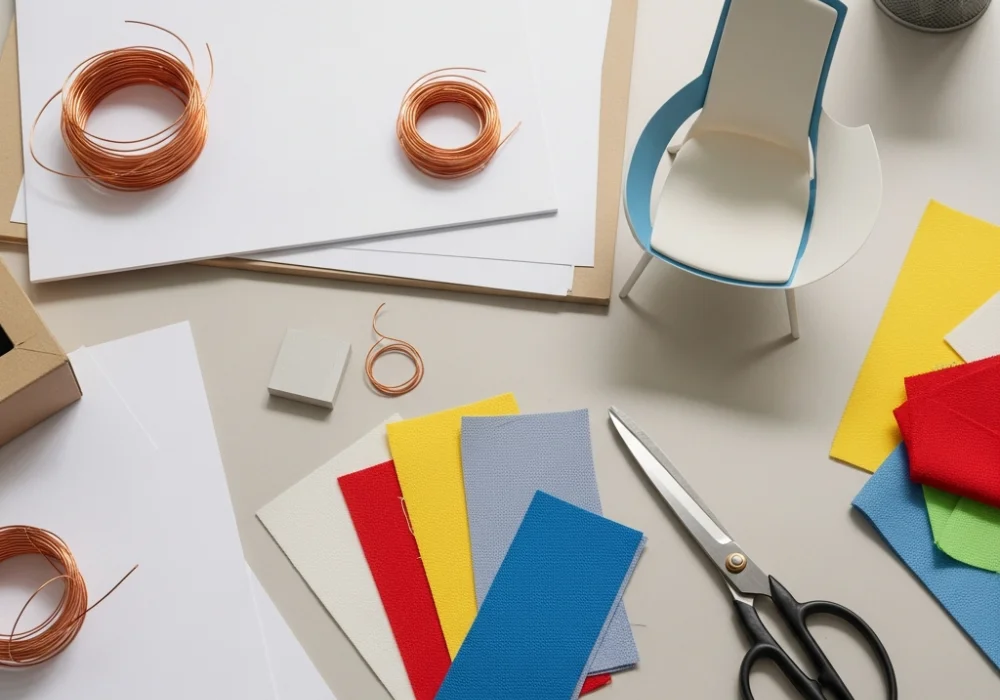
- Material Inventory: Quickly scan the materials provided (cardboard, wire, cloth, etc.) and map them to your idea.
- Sketch the Structure: Draw a rough 3D perspective of your model. This acts as your visual guide, preventing mid-way confusion.
2. Material Optimization and ‘Dry Runs’
Time is often lost because students struggle to manipulate unfamiliar materials. To gain an edge, you must know exactly how long it takes to glue certain surfaces or bend a specific gauge of wire. Efficiency comes from knowing your tools.
| Material Type | Best Use Case | Time-Saving Tip |
|---|---|---|
| Cardboard/Mount Board | Structural base, walls, furniture | Score the surface for clean folds instead of cutting separate pieces. |
| Wire/Thread | Details, outlines, organic shapes | Use a pencil to wrap wire for perfect coils in seconds. |
| Fabric/Cotton | Texture, clothing, padding | Use double-sided tape instead of liquid glue to avoid drying time. |
| Clay/Plasticine | Small accents, human figures | Keep shapes simple to avoid structural collapse. |
3. The Parallel Processing Technique
Don’t work linearly. If you are waiting for a glued joint to dry, don’t sit idle. This is the perfect time to work on smaller components or begin your concept write-up. This ‘multitasking’ approach ensures that every minute is productive. For example, while a structural base is setting, you can start cutting out decorative elements or drafting the introductory lines of your explanation.
4. Focus on ‘Visual Impact’ over Perfection
In a design exam, ‘perfect’ is the enemy of ‘done.’ Evaluators look for creative thinking, neatness, and the ability to handle materials—not a finished industrial prototype. If you find yourself spending 30 minutes on a tiny detail that represents only 5% of the model, stop. Prioritize the main form and structural integrity. A complete, neat model with simple details always scores higher than an unfinished model with one highly detailed corner.
5. The Final 10-Minute Buffer
Never plan to work until the last second. Your internal schedule should aim to finish the physical model and the write-up with 10 minutes to spare. Use this buffer for:
- Cleaning the Workspace: A messy desk can reflect poorly on your organizational skills.
- Stability Check: Ensure no parts are wobbling or about to fall off.
- The Concept Note: Proofread your write-up. Ensure your handwriting is legible and your design philosophy is clearly articulated.
Why Practice with myentrance.in?
Preparation is the bridge between panic and performance. By utilizing the mock tests available on myentrance.in, you can practice these hacks in a controlled environment. Our simulated tests cover the latest pattern and provide the variety of prompts necessary to build your confidence. Whether you are preparing for NID, NIFT, or even Kerala PSC and SSC exams, our resources are tailored to help you succeed.
Frequently Asked Questions
How long should the concept write-up be in the NIFT Situation Test?
The write-up should typically be around 100 to 150 words. It needs to be concise, explaining your design inspiration, the materials used, and how your model answers the given problem statement.
Can I bring my own materials to the exam?
No, you are strictly prohibited from bringing outside materials. You must use only what is provided in the kit. However, you are usually allowed to bring basic stationery like scissors, scales, and pencils.
What is the most important marking criteria?
Evaluators focus on four main pillars: Creative involvement, innovative use of materials, aesthetic appeal, and the clarity of your concept note. Time management is the silent factor that allows you to excel in all four.
Is the Situation Test conducted for all NIFT courses?
The Situation Test is specifically for the Bachelor of Design (B.Des) candidates who have cleared the initial written entrance examination.
Ready to Ace Your Design Entrance?
Don’t leave your success to chance. Get expert guidance, latest pattern mock tests, and personalized tips to crack NIFT and NID with flying colors!
💬 Chat with our Experts on WhatsApp (+91 9526806124)




