
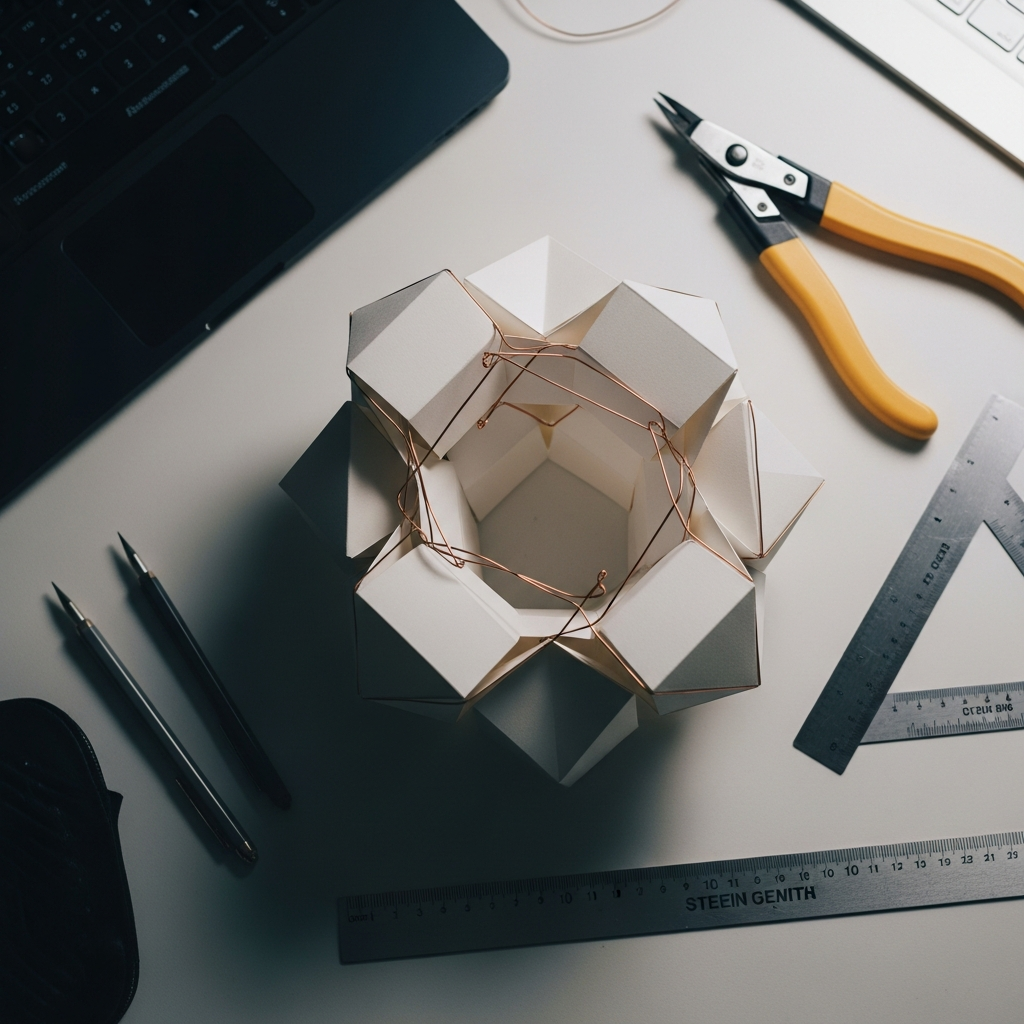
Introduction to the NIFT Situation Test
The NIFT Situation Test is a crucial second stage of the entrance examination process for the Bachelor of Design (B.Des) program. Unlike the written exams, this stage evaluates your tactile skills, spatial awareness, and creative thinking under pressure. To succeed, you must transform a limited set of materials into a meaningful 3D model that reflects a specific theme. At myentrance.in, we provide comprehensive mock tests to help you simulate this environment, ensuring you are ready for the latest pattern of upcoming exams.
The Material Kit: Your Creative Arsenal
Success in the Situation Test depends on how effectively you use the provided materials. Usually, students are given a kit containing items like cardboard, ivory sheets, copper wire, aluminum foil, clay, fabric, and pins. Understanding the physical properties of each material is the first step toward mastery.
| Material | Recommended Technique | Best Use Case |
|---|---|---|
| Ivory Sheets | Scoring, Pleating, Quilling | Structural walls, delicate textures, or patterns. |
| Copper Wire | Bending, Twisting, Coiling | Creating skeletons, frames, or human figures. |
| Modeling Clay | Pinching, Slab construction | Organic forms, small details, and weights. |
| Cardboard | Slit-and-Lock, Layering | Sturdy bases, furniture, or geometric shapes. |
| Aluminum Foil | Crumpling, Embossing | Water effects, metallic surfaces, or textures. |
Advanced 3D Modeling Techniques
To stand out from thousands of candidates, you need to move beyond basic sticking and cutting. Here are some advanced techniques that can elevate your model:
1. Scoring and Folding
Scoring involves making a light cut on the surface of a thick sheet without cutting all the way through. This allows you to create sharp, professional-looking folds. This technique is essential for creating geometric shapes or clean architectural elements. Using this method ensures your model looks neat and structurally sound.
2. Slit and Lock Mechanism
Instead of relying solely on adhesive, use the ‘slit and lock’ method. By cutting small slits into two pieces of cardboard or paper and sliding them into each other, you create a mechanical bond. This not only shows your technical skill but also makes your model more stable, which is a key criteria for evaluation.
3. Wire Manipulation
Wire is often underutilized. Use it to create a ‘skeleton’ for your model. If you are asked to design a human figure or a dynamic structure, start with a wire frame and then overlay it with paper or clay. This gives your work a sense of movement and professional finesse.
4. Quilling and Surface Development
Surface development is about adding character to flat planes. You can use quilling (rolling thin strips of paper) to create intricate details or pleating to add a 3D texture to a flat surface. These techniques demonstrate your attention to detail and patience.
The Importance of the Write-Up
Every model must be accompanied by a brief write-up (usually around 100 words). This is where you explain your concept. Use design terminology like ‘balance,’ ‘rhythm,’ ‘focal point,’ and ‘ergonomics.’ Explain why you chose certain materials and how they relate to the theme. A well-written explanation can significantly boost your final score.
Time Management Strategy
You have two hours to complete the task. We recommend the following breakdown: 10 minutes for brainstorming and sketching, 80 minutes for construction, 15 minutes for the write-up, and 15 minutes for final touches and cleaning your workspace. Practicing this timeline with mock tests from myentrance.in will build the muscle memory needed for the actual exam day.
Essential Tips for Success
- Neatness Counts: Avoid excessive glue marks. A messy model suggests a lack of control.
- Use Every Material: Try to incorporate most of the materials provided in the kit, even in small amounts, to show versatility.
- Focus on Stability: Your model must be able to stand on its own without support.
- Think Out of the Box: If the topic is ‘A Parks for the Elderly,’ don’t just build a bench; think about safety, accessibility, and comfort.
Conclusion
Mastering the NIFT Situation Test is about balancing creativity with technical execution. By practicing various 3D modeling techniques and refining your conceptual thinking, you can secure a seat in your dream NIFT campus. Start your preparation today by exploring the latest pattern resources and mock tests available on myentrance.in.
Frequently Asked Questions
What happens if my model collapses during evaluation?
Stability is a major marking criterion. If a model collapses, it indicates poor structural planning. Always test the balance of your model during the construction phase.
Can I bring my own glue or cutters?
No, you must only use the tools and materials provided in the kit inside the examination hall. However, you should practice at home using similar items to get comfortable with them.
Is the NIFT Situation Test harder than the written exam?
It is not necessarily harder, but it requires a different skill set. While the GAT and CAT test your analytical and drawing skills, the Situation Test focuses on your ability to work with physical materials in three dimensions.
How many marks is the Situation Test worth?
In the current selection process, the Situation Test holds a significant weightage (usually around 20%) in the final merit list for B.Des candidates, making it a critical stage to clear.





