
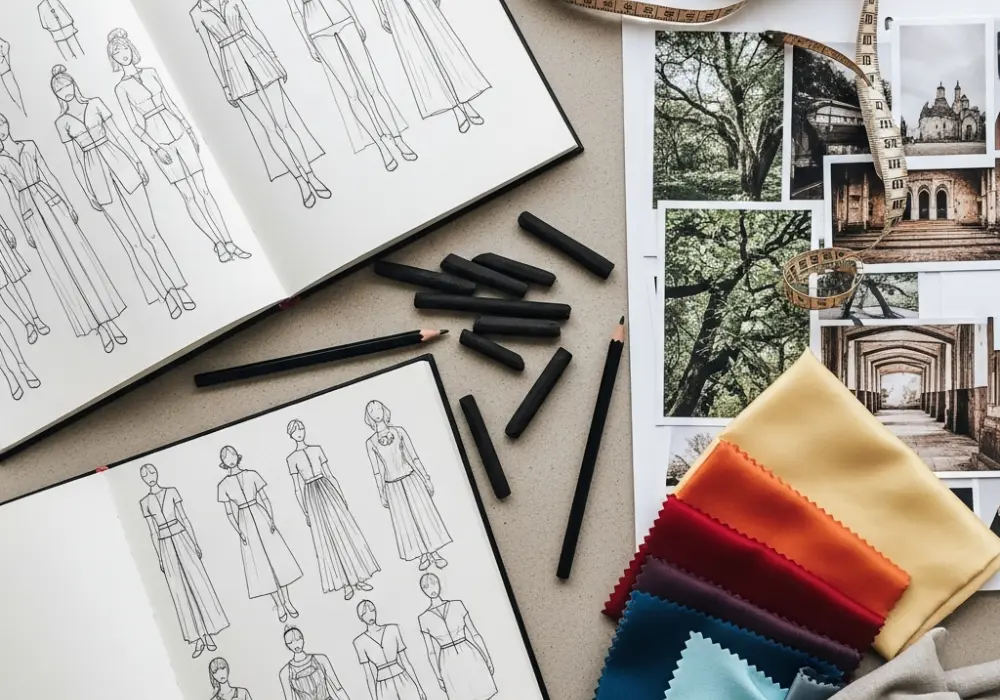
The Importance of a Professional Portfolio for NIFT
For any aspiring designer, the portfolio is more than just a collection of drawings; it is a visual narrative of your creative journey, technical skills, and unique perspective. When applying to the National Institute of Fashion Technology (NIFT), especially for the Bachelor of Design (B.Des) or Master of Design (M.Des) programs, your portfolio plays a crucial role during the Situation Test, Studio Test, and personal interview rounds. A well-constructed portfolio allows the jury to see your potential beyond the entrance exam scores.
While the initial rounds like the General Ability Test (GAT) and Creative Ability Test (CAT) assess your logic and basic creativity, the portfolio and subsequent tests evaluate your ability to handle materials, think in three dimensions, and articulate your design philosophy. To help you prepare for the earlier stages, myentrance.in offers comprehensive mock tests designed to simulate the latest pattern of the NIFT entrance exams.
What Should a NIFT Portfolio Include?
A professional portfolio is not about quantity; it is about the quality and diversity of your work. NIFT looks for candidates who show an inquisitive mind and a willingness to experiment. Here are the core components you should include:
- Sketching and Illustration: Showcase your ability to draw from observation. Include human figures (croquis), still life, and perspective drawings.
- Color Theory and Exploration: Demonstrate your understanding of color palettes, harmonies, and how color influences mood.
- Material Exploration: Photos of 3D models or prototypes made from unconventional materials like paper, wire, or fabric scraps.
- Mood Boards and Inspiration: Explain the ‘why’ behind your designs. Show the images, textures, and concepts that inspired a specific collection.
- Process Work: This is arguably the most important part. Show your rough sketches, mistakes, and refinements. The jury wants to see how you reach a final solution.
Comparative Analysis of Portfolio Elements
To help you prioritize your efforts, the following table breaks down the key elements evaluated by NIFT experts:
| Portfolio Element | Priority Level | What it Demonstrates |
|---|---|---|
| Observational Drawing | High | Technical skill and attention to detail. |
| Creative Thinking | Very High | Originality and ability to think ‘out of the box’. |
| Material Handling | High | Understanding of textures and 3D forms. |
| Digital Skills (Optional) | Medium | Adaptability to modern design tools. |
| Consistency/Theme | High | Ability to develop a cohesive narrative. |
Step 1: Ideation and Research
Every great portfolio starts with a concept. Instead of drawing random clothes, pick a theme. It could be anything from ‘Urban Decay’ to ‘Traditional Indian Crafts’. Research your theme thoroughly. Collect images, fabric swatches, and news clippings that resonate with your idea. This research forms the backbone of your portfolio and shows the jury that you have a deep, analytical approach to design.
Step 2: Developing Your Sketches
Start with basic thumbnail sketches. These are quick, small drawings that capture the essence of an idea. Once you have selected your best ideas, move on to detailed illustrations. Ensure you include technical drawings (flats) that show how a garment would be constructed, alongside your stylized fashion illustrations. Using myentrance.in mock tests can help you improve your speed and accuracy, which is vital when you have to sketch under time constraints during the CAT.
Step 3: Showcasing Versatility
Don’t limit yourself to just garments. A versatile portfolio includes accessories, textile patterns, and even photography. If you are good at embroidery, include a sample. If you have a passion for sustainable fashion, show how you upcycled old materials. This versatility makes you a more attractive candidate for the various design disciplines offered at NIFT, such as Textile Design, Accessory Design, or Knitwear Design.
Tips for the Personal Interview and Portfolio Presentation
Building the portfolio is only half the battle; presenting it is the other. During the NIFT interview, you will be asked to explain your work. Be prepared to talk about your inspirations, the challenges you faced while creating a piece, and why you chose specific materials. Maintain a clean, professional layout. Use high-quality paper or a sleek digital presentation if allowed. Remember, the way you organize your portfolio reflects your organizational skills as a designer.
Practicing with Mock Tests
The foundation of a good portfolio often lies in the skills you sharpen while preparing for the entrance exams. Concepts of perspective, light and shadow, and composition are all tested in the NIFT CAT. By practicing with the mock tests on myentrance.in, you ensure that your technical basics are rock solid, allowing your creativity to shine through in your portfolio work.
Frequently Asked Questions (FAQ)
Do I need to be a professional artist to create a NIFT portfolio?
No, you do not need to be a professional artist. NIFT looks for potential and a creative mindset. While basic drawing skills are necessary, your ability to communicate an idea and your passion for design are more important.
How many projects should I include in my portfolio?
Quality over quantity is the rule. Generally, 10 to 15 well-developed pages or 4 to 6 complete projects are sufficient. Each project should show the journey from inspiration to the final result.
Can I include digital art in my fashion portfolio?
Yes, digital art is increasingly accepted. However, it is highly recommended to also include hand-drawn sketches and physical material work, as NIFT values the tactile and manual skills of a designer.
Is it mandatory to have a portfolio for the NIFT entrance exam?
While not always mandatory for the first phase (written exams), a portfolio is essential for the second phase (Situation Test/Studio Test/Interview) for most design categories. It serves as your primary tool to showcase your talent to the interview panel.
How should I organize my portfolio?
Start with your strongest work to make an immediate impact. Organize projects chronologically or by theme. End with a piece that leaves a lasting impression or shows your future goals as a designer.
Need Help with Your NIFT Preparation?
Get access to the latest pattern mock tests, expert guidance, and study materials specifically curated for NIFT, NIFT GAT, and other design entrance exams. Don’t leave your fashion career to chance!
💬 Chat with our Experts on WhatsApp (+91 9526806124)




