
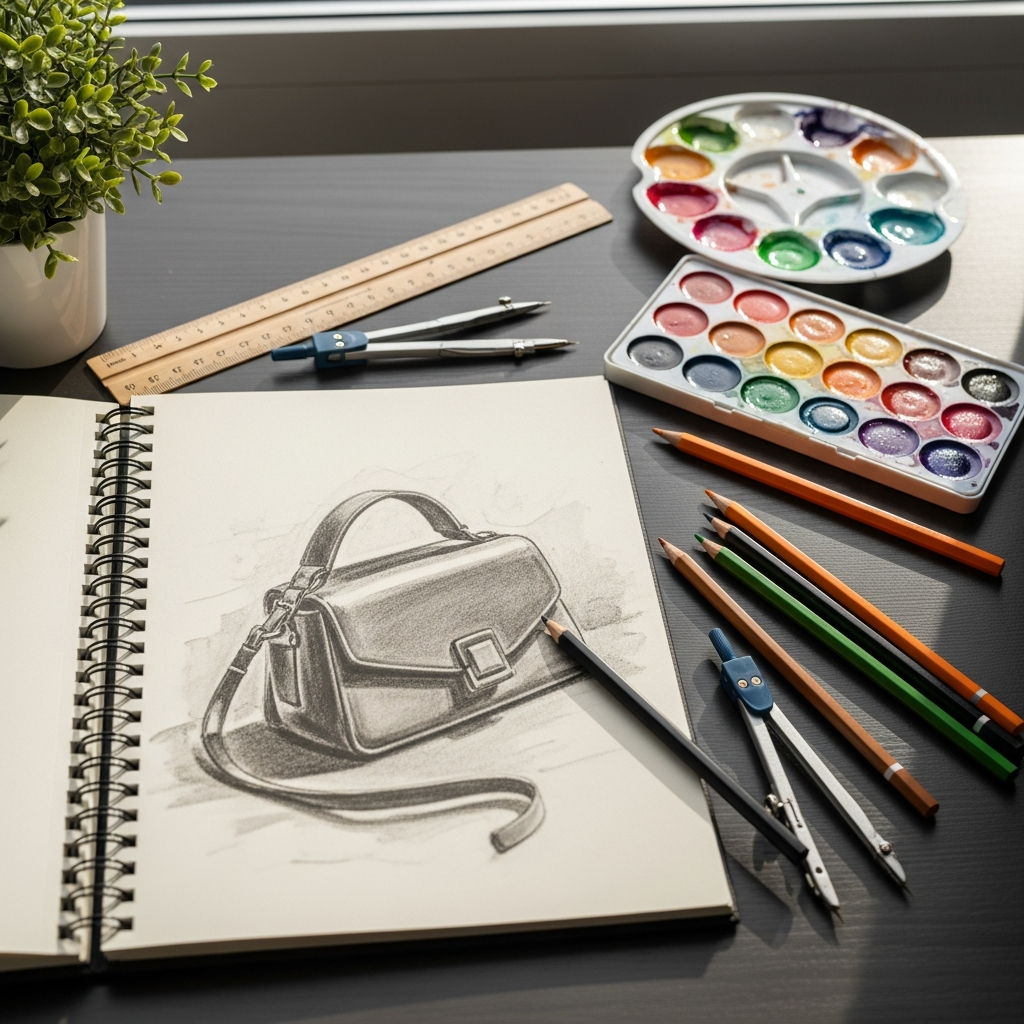
The Importance of the NIFT Creative Ability Test (CAT)
The National Institute of Fashion Technology (NIFT) is the premier destination for aspiring designers in India. To secure a seat in the Bachelor of Design (B.Des) programs, candidates must navigate the rigorous Creative Ability Test (CAT). Unlike the General Ability Test (GAT), which focuses on logic and communication, the CAT evaluates your intuition, power of observation, and design innovation. Scoring high in the CAT is crucial because it often carries a weightage of up to 50% in the final merit list. To help you excel, we have curated a comprehensive guide on how to approach this exam with the right mindset and technique.
Understanding the CAT Exam Pattern and Weightage
Before diving into practice, it is essential to understand how the CAT differs from the GAT. The CAT is a paper-and-pencil-based test that lasts for three hours. It tests your ability to think outside the box and translate abstract concepts into visual representations. Below is a comparison table to help you understand the focus areas of the two primary entrance exams for NIFT.
| Feature | Creative Ability Test (CAT) | General Ability Test (GAT) |
|---|---|---|
| Primary Focus | Creativity, Drawing, Observation | Logic, English, Quantitative |
| Weightage (B.Des) | 50% | 30% |
| Mode | Offline (Sketching) | Online/Offline (MCQs) |
| Key Skills | Innovation and Visualization | Analytical and Verbal Skills |
While the GAT is objective, the CAT is subjective. This means there is no single correct answer, but rather a spectrum of creative excellence that evaluators look for in your work.
Top Strategies to Crack the NIFT CAT
1. Enhance Your Observational Skills
Innovation starts with observation. The NIFT CAT often asks students to depict everyday scenes or objects from unique perspectives. Practice drawing things around you, such as a busy street, a kitchen counter, or a park. Pay attention to how light hits surfaces and how shadows are formed. This foundation in realism will make your imaginative sketches more believable.
2. Master Color Theory and Rendering
Colors evoke emotions and set the tone for your design. Understanding color psychology—such as how blue represents calm or red signifies energy—can give your work a professional edge. Use dry mediums like color pencils or pastels to save time during the exam. Avoid using wet paints as they take time to dry and can smudge, ruining your composition. Focus on smooth gradients and clean shading to make your illustrations pop.
3. Focus on Proportions and Perspective
Whether you are drawing a human figure or a product design, proportions are vital. In the NIFT CAT, drawing a human figure in the correct anatomical ratio can significantly boost your scores. Similarly, understanding one-point, two-point, and three-point perspectives will allow you to create depth in your drawings, making them look three-dimensional and professional.
4. Develop a Unique Design Language
Avoid copying standard designs found in textbooks. The evaluators are looking for originality. If the prompt asks for a poster design, think of metaphors and symbols that are not commonly used. Developing your own signature style will help your work stand out among thousands of applicants.
5. Practice Time Management
Three hours may seem like a lot, but for three detailed questions involving conceptualization and coloring, time flies. Allocate your time wisely: 10 minutes for brainstorming, 20 minutes for rough sketching, and the remainder for final rendering. Never leave a question incomplete; a finished sketch with average coloring is better than a half-finished masterpiece.
The Role of Mock Tests in NIFT Preparation
Preparation is incomplete without testing your skills under exam-like conditions. Practicing with mock tests available on myentrance.in is one of the most effective ways to gauge your progress. These mock tests are designed based on the latest pattern and cover a wide range of creative prompts, from logo design to storytelling through visuals. By solving these tests, you can improve your speed, identify your weaknesses, and gain the confidence needed to face the actual entrance exam. Consistent practice on myentrance.in ensures that you are familiar with the type of questions that appear in the current syllabus, helping you avoid surprises on exam day.
Crucial Topics for NIFT CAT Preparation
- Poster Design: Creating impactful visual messages on social causes or product launches.
- Storytelling/Comic Strips: Narrative drawing using frames to explain a sequence of events.
- Product Metamorphosis: Showing the step-by-step transformation of one object into another.
- Memory Drawing: Recreating scenes from memory with accurate details.
- Logo and Mascot Design: Designing symbols that represent a brand identity or an event.
Conclusion
Cracking the NIFT CAT requires a blend of technical drawing skills and a vibrant imagination. By focusing on your observational abilities, mastering color theory, and practicing regularly with high-quality resources like the mock tests on myentrance.in, you can significantly enhance your chances of securing a top rank. Remember, the goal is not just to draw, but to communicate an idea effectively and beautifully.
Frequently Asked Questions (FAQ)
What is the weightage of the CAT in the NIFT selection process?
For the B.Des program, the Creative Ability Test (CAT) usually accounts for 50% of the total weightage, making it the most significant part of the entrance process.
Can I use sketch pens or markers in the CAT exam?
While markers can provide bold colors, they often bleed through the paper. It is generally recommended to use color pencils or dry pastels for better control and a cleaner finish.
Is it necessary to be an expert at drawing to pass NIFT CAT?
You don’t need to be a professional artist, but you must have a good grasp of basic proportions, perspective, and the ability to convey a creative idea clearly through your sketches.
How do mock tests from myentrance.in help in preparation?
Mock tests provide a realistic simulation of the exam environment, helping you manage time and familiarize yourself with the latest pattern of creative prompts used in current exams.
What should I do if I run out of time during the exam?
Always ensure your outlines are complete for all questions first. It is better to have a fully drawn pencil sketch for all questions than to have one beautifully colored question and two empty ones.





