
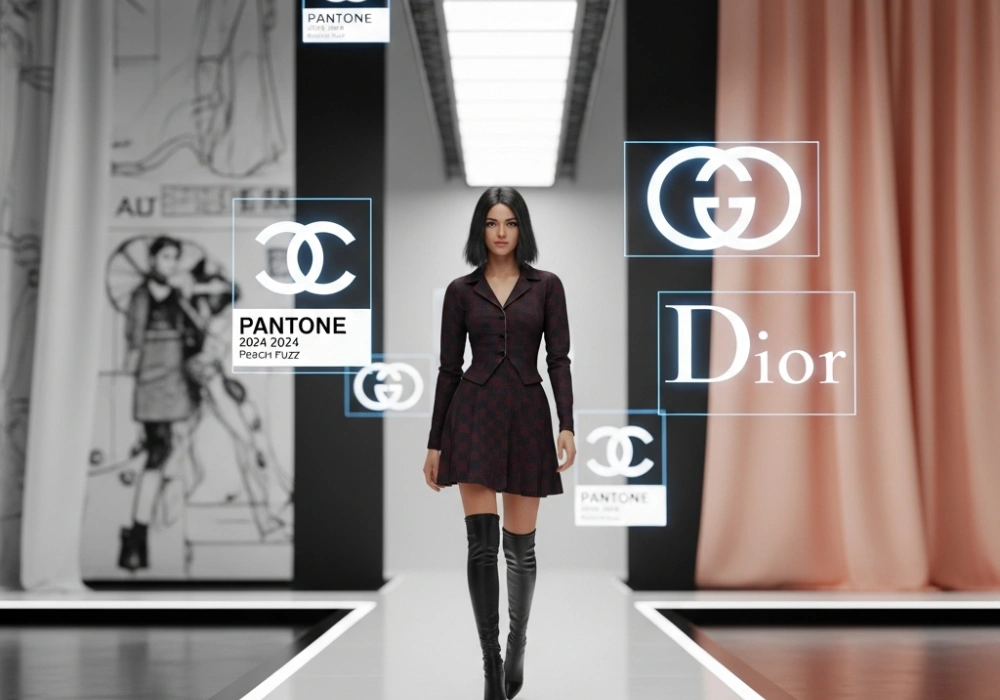
Understanding the Pulse of Global Fashion
For any NIFT aspirant, mastering the landscape of global fashion trends, legendary designers, and powerhouse brands is not just a syllabus requirement—it is a fundamental necessity for survival in the design industry. The National Institute of Fashion Technology (NIFT) frequently tests students on their ability to connect historical movements with contemporary shifts. In recent years, the GAT (General Ability Test) section has evolved to include complex questions about creative directorships, sustainable initiatives, and the socio-economic impact of ‘fast fashion’ versus ‘haute couture.’ This mock test is meticulously designed to challenge your memory, analytical skills, and awareness of the 2023-2024 fashion cycle. By engaging with these questions, you are not just preparing for an exam; you are building the vocabulary of a future fashion leader. Let us dive into this comprehensive assessment designed for the serious design aspirant on www.myentrance.in.
NIFT Mock Test: Part I – Trends & Creative Directors
Select the most appropriate answer for each of the following questions. Focus on the nuances of the luxury market and recent industry appointments.
- Which color was officially announced by the Pantone Color Institute as the ‘Color of the Year’ for 2024?
- A) Viva Magenta
- B) Peach Fuzz
- C) Very Peri
- D) Classic Blue
- Who succeeded Virgil Abloh as the Men’s Creative Director for Louis Vuitton?
- A) Simon Porte Jacquemus
- B) Pharrell Williams
- C) Alessandro Michele
- D) Sabato De Sarno
- The term ‘Quiet Luxury’ became a dominant trend in 2023. Which brand is most synonymous with this ‘stealth wealth’ aesthetic?
- A) Versace
- B) Balenciaga
- C) Loro Piana
- D) Moschino
- The 2024 Met Gala theme was titled ‘Sleeping Beauties: Reawakening Fashion.’ What was the primary focus of this exhibition?
- A) The history of Disney costumes
- B) Fragile archival garments that can no longer be worn
- C) The evolution of streetwear in the 21st century
- D) A tribute to the late Karl Lagerfeld
- Which Indian designer became the first to showcase at the Paris Haute Couture Week, known for intricate 3D embroidery and nature-inspired motifs?
- A) Sabyasachi Mukherjee
- B) Manish Malhotra
- C) Rahul Mishra
- D) Tarun Tahiliani
💡 Pro-Tip for NIFT Aspirants
When studying designers, always track the ‘musical chairs’ of creative directors. When a major designer moves from one house to another (like Sabato De Sarno moving to Gucci), it often signals a massive shift in the brand’s aesthetic and target demographic.
NIFT Mock Test: Part II – Brand Heritage & Business
- Which luxury conglomerate owns the highest number of fashion brands, including Dior, Fendi, and Celine?
- A) Kering Group
- B) LVMH (Moët Hennessy Louis Vuitton)
- C) Richemont
- D) Capri Holdings
- The ‘New Look’ of 1947, which revolutionized post-war fashion with cinched waists and full skirts, was a creation of:
- A) Coco Chanel
- B) Cristóbal Balenciaga
- C) Christian Dior
- D) Hubert de Givenchy
- Which brand is famous for its ‘intrecciato’ weaving technique and recently moved away from social media marketing under Daniel Lee?
- A) Bottega Veneta
- B) Prada
- C) Miu Miu
- D) Saint Laurent
- The concept of ‘Fast Fashion’ is often criticized for environmental impact. Which of these companies is considered a pioneer of the ultra-fast fashion model?
- A) H&M
- B) Shein
- C) Zara
- D) Uniqlo
- In the context of luxury branding, what does the term ‘Veblen Good’ imply?
- A) A product that becomes less desirable as the price increases
- B) A product for which demand increases as the price increases
- C) A mass-market product sold at a discount
- D) A digital-only fashion garment
NIFT Mock Test: Part III – Concepts & Sustainability
- The ‘Circular Fashion’ movement primarily focuses on:
- A) Creating clothes that only use circular patterns
- B) A system where waste and pollution are designed out and products are kept in use
- C) The speed at which fashion trends return every 20 years
- D) Using only synthetic fibers for durability
- Which legendary designer was known as the ‘Queen of Punk’ and integrated political activism into her runway shows?
- A) Mary Quant
- B) Vivienne Westwood
- C) Stella McCartney
- D) Rei Kawakubo
- What is the primary characteristic of the ‘Avant-Garde’ fashion movement?
- A) Sticking to traditional tailoring methods
- B) Experimental, radical, and unorthodox designs
- C) Minimalist and functional everyday wear
- D) Replicating historical costumes accurately
- Which brand used a ‘Spray-on’ fabric technology on model Bella Hadid during their Spring/Summer 2023 show?
- A) Coperni
- B) Schiaparelli
- C) Loewe
- D) Alexander McQueen
- The term ‘Androgynous Fashion’ refers to:
- A) Clothing designed specifically for toddlers
- B) Garments that avoid gender stereotypes and can be worn by anyone
- C) Highly feminine evening gowns
- D) Sportswear designed for professional athletes
Detailed Answer Key & Educational Explanations
Question 1-5 Explanations
1. Answer: B (Peach Fuzz). Every year, the Pantone Color Institute selects a color that reflects the global zeitgeist. For 2024, ‘Peach Fuzz’ (13-1023) was chosen to represent a sense of kindness, tenderness, and collaboration. As an aspirant, you should know that this influences everything from interior design to high-fashion collections. Viva Magenta was 2023’s color, while Very Peri was 2022’s. Understanding these shifts helps designers predict consumer moods.
2. Answer: B (Pharrell Williams). Following the tragic passing of Virgil Abloh, Louis Vuitton appointed musician and entrepreneur Pharrell Williams as the Men’s Creative Director in 2023. This move solidified the trend of luxury houses hiring ‘cultural curators’ rather than traditional fashion school graduates. Pharrell’s first collection in June 2023 at Pont Neuf was a historic moment blending streetwear, luxury, and pop culture.
3. Answer: C (Loro Piana). ‘Quiet Luxury’ refers to a trend where the wealthy wear extremely expensive, high-quality garments that lack visible logos. Loro Piana, along with brands like The Row and Brunello Cucinelli, leads this movement. Unlike ‘Logomania’ (popularized by brands like Gucci or Versace), Quiet Luxury focuses on materials like vicuña wool and cashmere, appealing to those who value ‘if you know, you know’ exclusivity.
4. Answer: B (Fragile archival garments). The 2024 Met Gala exhibition focused on ‘Sleeping Beauties’—garments from the Costume Institute’s archive that are too fragile to ever be worn again. These pieces were brought to life using AI, light projections, and soundscapes. This topic is vital for NIFT students because it highlights the intersection of fashion preservation, technology, and museum curation.
5. Answer: C (Rahul Mishra). Rahul Mishra is a pioneer of Indian luxury on the global stage. He became the first Indian designer to be invited to showcase a collection at the Chambre Syndicale de la Haute Couture in Paris. His work is celebrated for its ‘slow fashion’ approach, providing sustainable livelihoods to thousands of Indian artisans while competing with the likes of Chanel and Dior.
Question 6-10 Explanations
6. Answer: B (LVMH). LVMH, led by Bernard Arnault, is the world’s largest luxury goods conglomerate. It owns iconic brands like Louis Vuitton, Christian Dior, Givenchy, Celine, and Fendi. In the NIFT GAT, understanding corporate structures is important because it explains how creative directors move between sister brands (e.g., Kim Jones moving from LV to Dior Men and Fendi Women).
7. Answer: C (Christian Dior). In 1947, Christian Dior launched his first collection, which the editor of Harper’s Bazaar famously dubbed the ‘New Look.’ It featured rounded shoulders, a cinched waist, and a very full skirt, which was a drastic change from the utilitarian, fabric-rationed clothing of World War II. This moment essentially saved the French fashion industry and remains a core study point in fashion history.
8. Answer: A (Bottega Veneta). Bottega Veneta is famous for its ‘Intrecciato’ leather weaving. Under previous director Daniel Lee and current director Matthieu Blazy, the brand focused on craftsmanship over digital noise, even deleting its Instagram account at one point. This ‘marketing through absence’ is a unique trend-setting strategy in the digital age.
9. Answer: B (Shein). While Zara pioneered ‘Fast Fashion’ by shortening the lead time from design to retail to two weeks, Shein took this to the ‘Ultra-Fast’ level using real-time data and AI to launch thousands of new items daily. This model is a major point of debate regarding labor ethics and environmental sustainability, topics frequently discussed in NIFT interview rounds.
10. Answer: B (A product for which demand increases as the price increases). Named after economist Thorstein Veblen, these are ‘snob appeal’ goods. In luxury fashion, high prices actually make a product more desirable because they signal status and exclusivity. This explains why brands like Hermès can continuously raise prices on Birkin bags without losing customers—a concept essential for understanding luxury marketing.
Question 11-15 Explanations
11. Answer: B (A system where waste is designed out). Circular fashion is the industry’s response to the climate crisis. It moves away from the ‘Take-Make-Dispose’ model toward a loop where garments are designed to be recycled, upcycled, or biodegraded. Brands like Patagonia and Stella McCartney are leaders in this field, and NIFT heavily emphasizes this in their Situation Test and GAT questions.
12. Answer: B (Vivienne Westwood). The late Vivienne Westwood was a foundational figure in fashion, bringing punk and new wave styles into the mainstream in the 1970s. She used her runway as a platform for climate activism and political protest. Her ‘corset’ designs and ‘mini-crini’ are legendary archival pieces that every design student must study.
13. Answer: B (Experimental, radical, and unorthodox). Avant-garde refers to designers who push the boundaries of what is considered wearable. Designers like Rei Kawakubo (Comme des Garçons) and Iris van Herpen are classic examples. They treat clothing as art, often distorting the human silhouette to challenge societal norms of beauty.
14. Answer: A (Coperni). During the Spring 2023 show, the French brand Coperni used a technology called ‘Fabrican’ to spray a liquid fiber directly onto Bella Hadid, which solidified into a wearable dress on stage. This viral moment showcased the future of textile technology and became one of the most talked-about trends in the ‘Phygital’ (Physical + Digital) fashion world.
15. Answer: B (Garments that avoid gender stereotypes). Androgyny and gender-fluid fashion have moved from the fringe to the mainstream. Designers like Alessandro Michele (formerly at Gucci) and Harris Reed have pioneered this, creating collections where skirts, blouses, and tailored suits are marketed regardless of gender identity. This reflects a broader global shift toward inclusivity and self-expression.
Prepare for Success with MyEntrance
This mock test covers only a fraction of the vast world of fashion. To truly excel in the NIFT entrance exam, you need consistent practice, deep dives into fashion history, and a keen eye for current events. Trends are not just about clothes; they are about culture, economy, and technology. Stay updated with our daily newsletters and specialized modules to ensure your seat at India’s premier fashion institute.
Have questions about these topics or need more practice sets?
💬 Chat with our Experts on WhatsApp (+91 9526806124)




