
What is the NIFT Situational Test?
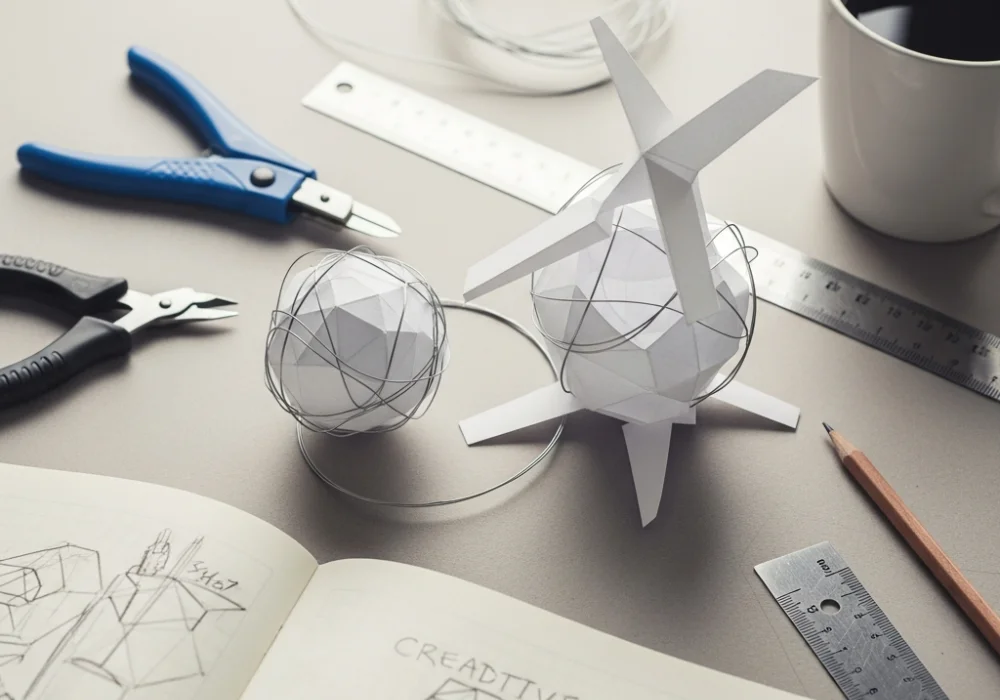
The NIFT Situational Test is a hands-on exam designed to evaluate a candidate’s material handling skills and creative ability in a 3D environment. Students must create a physical model using a specific set of materials provided at the center. It tests your innovation, aesthetic appeal, and ability to translate a concept into a tangible form.
Success in this round depends on how well you can manipulate materials to solve a design brief within a strict time limit. Cracking it at home requires consistent practice with everyday items and refining your storytelling through concept notes.
Table of Contents
Which Materials Should You Practice With?
The NIFT Situational Test provides a limited set of materials. Practicing with the right items at home is crucial for building muscle memory.
- Cardboard & Paper: Practice different thicknesses of ivory sheets, corrugated sheets, and newspaper.
- Wire & Thread: Use copper wire or craft wire to learn structural stability.
- Fabric & Foil: Experiment with cotton scraps and aluminum foil for texture.
- Clay & Plasticine: Helpful for understanding organic shapes and detailing.
- Adhesives: Learn to use glue sticks and masking tape neatly without leaving visible marks.
💡 Pro-Tip: The “No-Waste” Rule
In the actual exam, you are often penalized for excessive waste. Practice at home by using every scrap of material you cut to add detail or texture to your model.
How to Prepare for the NIFT Situational Test at Home?
Follow this structured approach to transition from a design concept to a finished 3D model.
1. Deconstruct the Problem Statement
Spend the first 5-10 minutes brainstorming. Identify the core message you want your model to convey, whether it is sustainability, movement, or heritage.
2. Sketch Your Design
Quickly sketch 2D views of your proposed 3D model. This helps in visualizing the dimensions and the amount of material required for each part.
3. Material Manipulation Techniques
At home, practice techniques like quilling, pleating, weaving, and scoring. These methods add depth and professional finish to your models without requiring extra tools.
4. Time Management Drills
Set a timer for 2 hours. Use 10 minutes for planning, 90 minutes for construction, and 20 minutes for the concept note and cleaning up your workspace.
Comparison: GAT/CAT vs. Situational Test
Understanding the shift in focus is essential for candidates moving to the final stage.
| Feature | Written Exams (GAT/CAT) | Situational Test |
|---|---|---|
| Medium | Paper and Pen/Pencil | 3D Physical Materials |
| Key Skill | Theoretical Knowledge & Sketching | Material Manipulation & Execution |
| Output | Answers/Drawings | Physical Model + Write-up |
How to Write a Winning Concept Note?
The concept note is as important as the model itself. It explains your thought process to the examiners who will not see you in person.
Your note should be concise, usually between 50 to 100 words. Focus on the ‘Why’ (inspiration), the ‘How’ (material usage), and the ‘What’ (the final solution).
💡 Click to Reveal the Secret Concept Note Structure
Structure your note in three parts: 1. Title and Theme. 2. Creative Inspiration. 3. Justification of Materials (e.g., “I used wire to represent the flexibility of modern technology”).
What Do NIFT Examiners Look For?
Your model is judged on several specific parameters. Knowing these will help you focus your home practice sessions.
- Innovation: Is your idea unique or a cliché?
- Composition: How well did you use the space and balance the elements?
- Neatness: Are there glue marks or rough edges visible?
- Color Scheme: How effectively did you use the limited colors provided?
- Structural Stability: Does the model stand on its own without collapsing?
Leverage Mock Tests for Success
Self-study is great, but expert feedback is irreplaceable. At myentrance.in, we provide specialized resources and mock prompts to simulate the actual exam environment.
Practice with our latest pattern mock tests to understand the complexity of recent design briefs. Our materials help you transition from the GAT/CAT phase to the creative rigors of the situational test seamlessly.
Frequently Asked Questions
Can I bring my own tools to the NIFT Situational Test?
No, you are generally provided with all necessary tools like cutters and scissors. You are strictly forbidden from bringing outside materials or tools unless specified in the admit card.
How important is the concept note for the final score?
The concept note carries significant weight as it justifies your design choices. A brilliant model without a coherent explanation may lose marks for lack of clarity.
What is the best way to manage time during the test?
Divide your time: 10% planning, 75% building, and 15% writing the note and cleaning. Never spend more than 15 minutes on the initial brainstorming.
Quick Knowledge Check
Test your preparation level with these quick questions!
1. Which technique is best for adding texture to a flat paper surface?See Answer
Scoring, crumpling, or quilling are excellent techniques to add 3D texture to flat surfaces.
2. Should the concept note be written in bullet points or paragraphs?
See Answer
Either is acceptable, but concise paragraphs or clear bullet points are often easier for examiners to read quickly.
3. Is it okay to use extra glue to make the model strong?
See Answer
No. Visible glue marks and untidiness lead to negative marking. Use just enough adhesive to ensure stability while keeping the model clean.
Ready to Ace Your Design Journey?
Get personalized guidance and access to the best mock tests for NIFT, NID, and more.
💬 Chat with our Experts on WhatsApp (+91 9526806124)




