
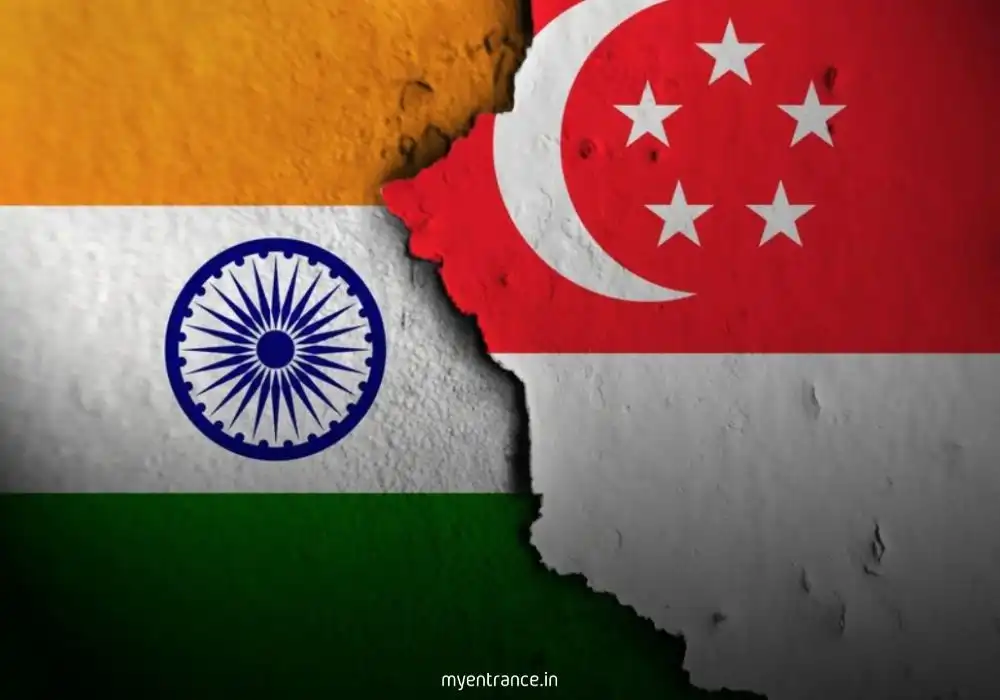
Navigating the complexities of public administration and governance is crucial for aspiring civil servants and government employees. Understanding current developments in this field, especially international collaborations, can provide a significant edge in competitive examinations like UPSC, SSC, PSC, NID, NIFT, and other government exams. Recently, India and Singapore held a pivotal joint working group meeting that brought to light advancements in personnel management and public administration, offering valuable insights for your exam preparation. A quick revision guide for competitive exams can solidify your knowledge quickly.
Why This Bilateral Meeting Matters: Objectives and Global Best Practices
The core objective behind the India-Singapore Joint Working Group Meeting on Personnel Management and Public Administration was to further strengthen the existing robust cooperation between the two nations. This high-level dialogue in New Delhi served as a vital platform for both countries to exchange knowledge, share best practices, and learn from each other’s experiences in enhancing governmental efficiency and citizen service delivery. For aspirants, recognizing the ‘why’ behind such meetings is key – it signifies a global push towards improved governance, transparency, and accountability, topics frequently examined in various papers. This collaboration isn’t just about sharing technology; it’s about fostering an environment where administrative reforms can flourish through mutual learning, ultimately aiming for better public service for all citizens.
What Was Discussed: Pioneering E-Governance Initiatives
During this significant interaction, both India and Singapore showcased their pioneering digital platforms aimed at revolutionizing public service. India proudly presented two of its flagship e-governance initiatives: the Centralised Public Grievance Redress and Monitoring System (CPGRAMS) and the National e-Governance Service Delivery Assessment (NeSDA) portals. CPGRAMS is a robust online system designed to enable citizens to lodge grievances against government departments or organizations, ensuring their timely and effective redressal. Its implementation underscores India’s commitment to responsive governance and citizen participation. The NeSDA framework, on the other hand, provides a comprehensive assessment of the effectiveness of e-governance service delivery by state governments and central ministries, driving competition and improvement in digital service provision across the nation. You can boost your confidence with this daily gk quiz designed for serious aspirants.
On its part, Singapore shared insights into its highly successful ‘Life SG’ digital platform. Life SG stands as an excellent example of integrated digital governance, bringing together various government services and information into a single, user-friendly portal. From birth to retirement, it aims to simplify citizens’ interactions with the government, making public services more accessible, efficient, and personalized. The concept of integrating diverse services onto one platform is a testament to citizen-centric e-governance, a model that India also aspires to emulate and strengthen as part of its own digital transformation journey.
How This Information Boosts Your Exam Preparation
For candidates preparing for civil services and other government exams, knowledge of such international collaborations and specific e-governance initiatives is incredibly valuable. This meeting, a key current affairs event, offers much more than just a news update. It provides concrete examples for your answers on administrative reforms, public administration, and good governance. You can expect direct questions on the meeting’s location, participants, and shared platforms in our daily news quizzes and interactive examinations. Furthermore, understanding platforms like CPGRAMS, NeSDA, and Life SG equips you with practical illustrations for descriptive answers or essays on topics such as digital India, bilateral relations, administrative efficiency, and grievance redressal mechanisms in Mains examinations. Staying informed about these global governance practices is not just about memorizing facts; it’s about deepening your understanding of core administrative principles relevant to your future role as a public servant.
Frequently Asked Questions
1. What was the main purpose of the India-Singapore Joint Working Group meeting?
The primary purpose was to strengthen cooperation between India and Singapore in the fields of Personnel Management and Public Administration, fostering the exchange of knowledge and best practices to enhance governmental efficiency and public service delivery.
2. Which Indian e-governance platforms were shared during the meeting?
India showcased its Centralised Public Grievance Redress and Monitoring System (CPGRAMS) and the National e-Governance Service Delivery Assessment (NeSDA) portals.
3. What is the significance of Singapore’s ‘Life SG’ platform?
Life SG is a significant digital platform that integrates various government services and information into a single, user-friendly portal, making public services more accessible, efficient, and personalized for Singaporean citizens.
4. How does such bilateral cooperation in public administration benefit citizens?
Such cooperation leads to the adoption of improved administrative practices, more efficient service delivery mechanisms, and enhanced digital platforms, ultimately resulting in better governance, greater transparency, and easier access to public services for citizens in both participating countries.
5. Why is understanding this meeting important for competitive exam aspirants?
Knowledge of this meeting, including the shared e-governance initiatives and the context of bilateral cooperation, is vital for current affairs questions, provides concrete examples for Public Administration and Governance topics, and can be effectively used in essay writing for various competitive examinations like UPSC, SSC, and PSC.





