
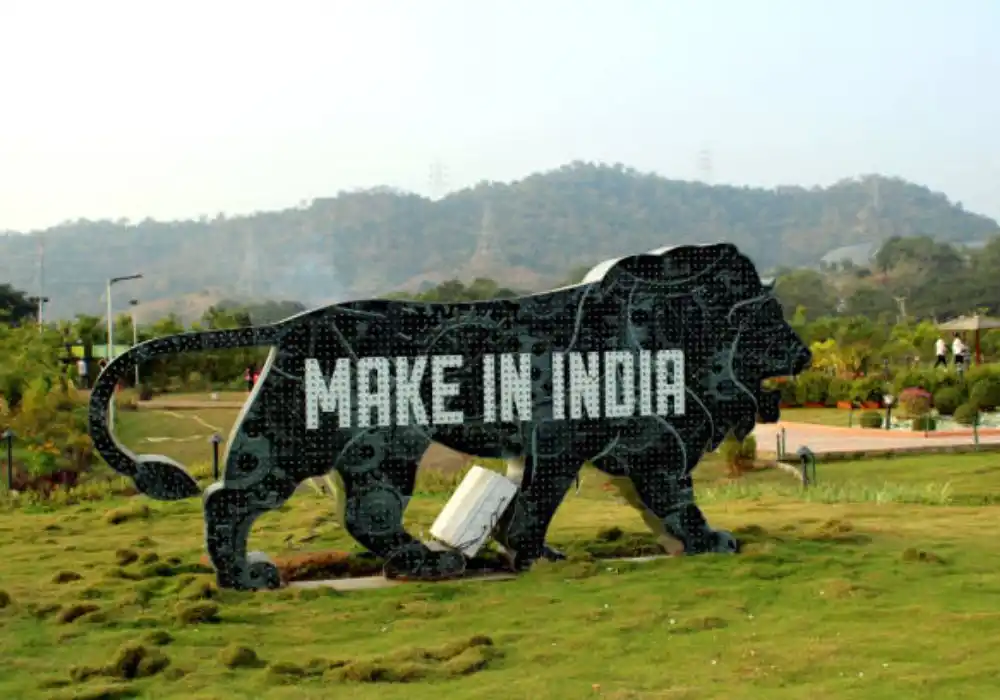
Make in India – A Pillar of Progress for a New India
As India celebrates eleven years since the launch of its ambitious “Make in India” initiative, it’s a pivotal moment to reflect on its transformative journey and significant impact on the nation’s economic landscape. This flagship program, championed by the Prime Minister, has been instrumental in reshaping global perceptions of India as a manufacturing hub and an attractive investment destination. For aspiring candidates preparing for demanding competitive examinations like UPSC, SSC, PSC, NID, NIFT, and other government roles, understanding the nuances of “Make in India” is not merely academic; it’s essential knowledge that frequently appears in current affairs, general knowledge, economy, and policy sections of your exams. Let’s delve deep into what makes this initiative a cornerstone of India’s march towards self-reliance and global leadership. Challenge yourself with our daily news quiz for upsc and ssc to test your awareness.
What is Make in India? Unpacking the Vision
At its core, the “Make in India” initiative is a powerful government program designed to encourage companies, both domestic and international, to manufacture their products within India. The overarching vision is to transform India into a global manufacturing and design powerhouse. Launched with an eagle logo representing strength and national pride, it sought to make India an easier place to do business, foster innovation, protect intellectual property, and develop a best-in-class manufacturing infrastructure. This strategic push aims to not only meet domestic demand but also establish India as a significant exporter of manufactured goods, thereby strengthening its position in the global supply chain.
Why was Make in India Launched? The Genesis of an Ambition
The launch of “Make in India” in 2014 was driven by a crucial need to address several economic challenges and leverage India’s inherent strengths. Firstly, it aimed to boost the manufacturing sector’s contribution to the Gross Domestic Product (GDP), which had been stagnant. Secondly, a primary objective was massive job creation, particularly for the youth entering the workforce, by stimulating industrial growth. Thirdly, the initiative sought to reduce India’s reliance on imports, fostering self-sufficiency across various sectors, from defence equipment to electronic goods. Attracting foreign direct investment (FDI) was another key motivator, bringing in capital, technology, and global best practices. Ultimately, it was about instilling confidence in India’s manufacturing capabilities and showcasing the nation as a viable, attractive destination for global investors and manufacturers.
When and How it Began: The Foundation Stone
The “Make in India” initiative was officially launched on September 25, 2014. It operates on four critical pillars, each designed to support and strengthen the overall ecosystem for manufacturing. The first pillar, ‘New Processes,’ focused on simplifying and rationalizing government regulations and policies, making it easier to do business and obtain clearances. ‘New Infrastructure’ aimed at upgrading and building world-class infrastructure, including smart cities, industrial corridors, and improved logistics. The ‘New Sectors’ pillar identified 25 key sectors, from automobiles to textiles, where India had the potential to become a global leader. Finally, the ‘New Mindset’ aspect focused on a change in government approach, acting as a facilitator rather than a regulator, to promote industries and entrepreneurship.
Where has Make in India Made an Impact? Sectors and Achievements
Over the past eleven years, “Make in India” has propelled significant growth and transformation across numerous sectors. The defence sector, traditionally import-heavy, has seen a strong emphasis on indigenous production, leading to increased self-reliance and the development of advanced military hardware within the country. The electronics manufacturing sector has witnessed a surge in domestic production of mobile phones, components, and consumer electronics. The automotive industry continues to be a major beneficiary, with India emerging as a global hub for vehicle manufacturing and exports. Other vital areas like renewable energy, pharmaceuticals, textiles, and chemicals have also seen substantial investment and increased domestic capabilities. This sustained effort has contributed to a significant increase in Foreign Direct Investment (FDI) inflows, a boost in manufacturing output, and the creation of millions of jobs, aligning perfectly with the broader ‘Atmanirbhar Bharat’ (Self-Reliant India) vision. This is your ultimate guide to cracking ssc cgl and chsl with proven methods.
Make in India: Your Key to Competitive Exam Success
For anyone aspiring to clear competitive examinations, “Make in India” is a topic of immense importance. It serves as a recurring theme in current affairs questions, testing your knowledge of recent government policies and their impact. In the economy section, understanding its objectives, achievements, and challenges is crucial for answering questions related to industrial growth, employment, FDI, and trade balance. For general knowledge, it often forms the basis of questions about India’s economic reforms and national initiatives. Furthermore, in descriptive papers or interviews for UPSC and PSC exams, a thorough grasp of “Make in India” allows you to articulate well-reasoned arguments on economic development, policy implementation, and India’s global standing. Familiarity with its details will undoubtedly give you an edge in your preparation. Visit myentrance for daily practice questions that will keep you exam-ready.
The Road Ahead: Future Prospects and Challenges
As “Make in India” steps into its twelfth year, the focus remains on further deepening its impact, encouraging innovation, and integrating India more robustly into global value chains. While significant strides have been made, continuous efforts are needed to address challenges such as skill development, improving ease of doing business rankings further, and ensuring a stable policy environment. The initiative continues to be a dynamic force, shaping India’s industrial future and offering immense opportunities for growth, making it a topic of ongoing relevance for national progress and your exam success.
Frequently Asked Questions (FAQs)
Q1: What is the primary objective of the “Make in India” initiative?
A1: The primary objective of “Make in India” is to transform India into a global manufacturing and design hub, encouraging both domestic and international companies to produce goods within the country, thereby boosting economic growth, creating jobs, and reducing import dependency.
Q2: When was the “Make in India” initiative officially launched?
A2: The “Make in India” initiative was officially launched on September 25, 2014, by the Prime Minister.
Q3: Which key sectors have seen significant growth and attention under “Make in India”?
A3: Several key sectors have received significant focus and experienced growth, including Defence Manufacturing, Electronics (especially mobile phones and components), Automotive, Pharmaceuticals, Renewable Energy, and Textiles.
Q4: How does “Make in India” contribute to India’s economic growth?
A4: “Make in India” contributes to economic growth by attracting Foreign Direct Investment (FDI), increasing manufacturing output, promoting job creation across various industries, fostering innovation, and enhancing India’s export capabilities, all of which strengthen the national economy.
Q5: Why is understanding “Make in India” important for competitive exam preparation?
A5: Understanding “Make in India” is crucial for competitive exams because it is a frequently tested topic in Current Affairs, General Knowledge, Economy, and Government Policy sections. It helps candidates answer questions related to India’s economic development, industrial policies, employment trends, and global competitiveness, which are essential for exams like UPSC, SSC, and PSC.





