
Introduction: The Gateway of World History
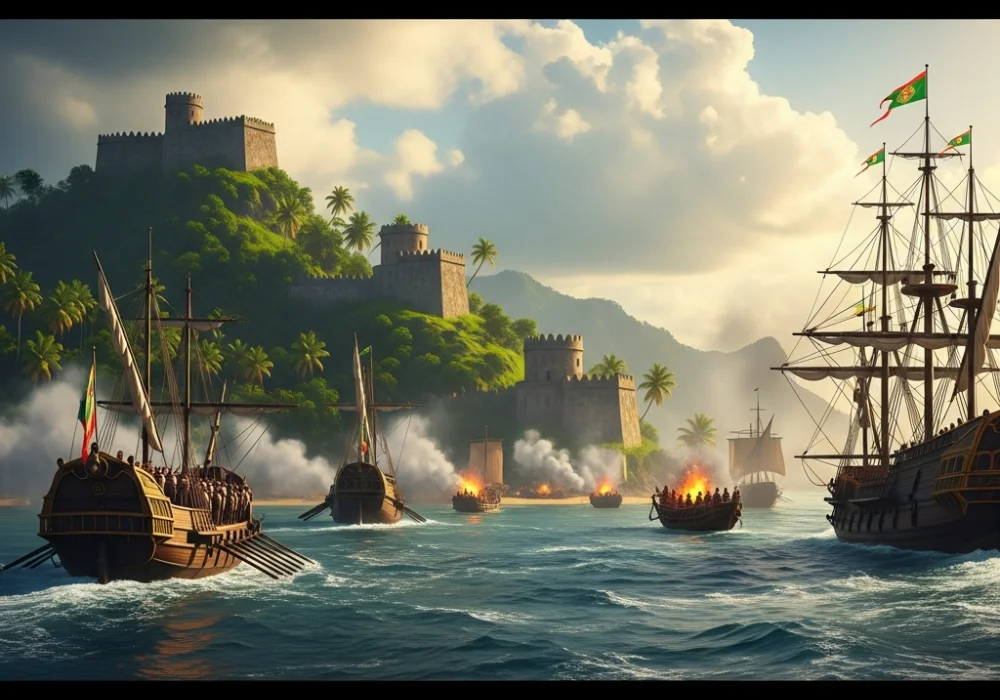
Kerala, historically known as the Malabar Coast, has been the epicenter of global maritime trade for millennia. For Kerala PSC aspirants, the history of invasions is a critical segment of the syllabus, encompassing Ancient, Medieval, and Modern history. The strategic location of Kerala and its monopoly over the spice trade, particularly ‘Black Gold’ (pepper), made it a prime target for foreign powers. These invasions were not merely military conquests; they brought about tectonic shifts in the socio-political fabric, administrative reforms, and cultural landscape of the region. From the tactical naval warfare of the Portuguese to the land-based military campaigns of Hyder Ali and Tipu Sultan, each event left an indelible mark on the history of the Malayali people. Understanding this chronological sequence is vital for answering complex questions on administrative changes, treaties, and the resistance movements of local chieftains. This study guide and interactive timeline are designed to help you visualize these historical turning points, ensuring you retain the crucial dates and figures required to excel in your upcoming examinations.
1498 AD
The Arrival of Vasco da Gama
Vasco da Gama reached Kappad near Calicut on May 20, 1498. This marked the beginning of European colonialism in India. His arrival broke the Arab monopoly over the spice trade and introduced European naval power to Kerala. For PSC, remember that the Zamorin (Samoothiri) was the ruler of Calicut during this event.
1503 AD
Fort Manuel: The First European Fort
The Portuguese constructed Fort Manuel at Kochi, which was the first European fortress in India. This signified the establishment of a permanent military presence. The alliance between the Raja of Kochi and the Portuguese was a strategic move against the Zamorin of Calicut, highlighting the internal divisions that foreign invaders exploited.
1524 AD
The Final Voyage of Da Gama
Vasco da Gama returned to Kerala as the Portuguese Viceroy but died in Kochi the same year. This period saw intense naval battles between the Portuguese fleet and the Kunjali Marakkars, the admirals of the Zamorin, who offered the first organized naval resistance against European invaders.
1663 AD
The Dutch Conquest of Kochi
The Dutch East India Company (VOC) captured Kochi from the Portuguese, ending Portuguese dominance in Kerala. The Dutch period is significant for the introduction of modern botanical knowledge, specifically the compilation of ‘Hortus Malabaricus’ under the guidance of Hendrik van Rheede.
1741 AD
Battle of Colachel
A landmark event where King Marthanda Varma of Travancore defeated the Dutch East India Company. This was the first time an Asian power defeated a European naval force. It led to the decline of Dutch influence in India and the rise of Travancore as a regional powerhouse.
1766 AD
Hyder Ali’s Invasion of Malabar
Hyder Ali, the ruler of Mysore, invaded Malabar following the invitation of the Ali Raja of Cannanore. This began the Mysorean era in Kerala history. The invasion forced many local rulers and Namboothiris to flee to Travancore, significantly altering the demographics and land tenure systems in Northern Kerala.
1789 AD
Tipu Sultan’s Attack on Nedumkotta
Tipu Sultan attacked the Travancore Lines (Nedumkotta), a defensive wall built by the Raja of Travancore. This invasion triggered the Third Anglo-Mysore War. Tipu’s administrative and land reforms in Malabar, though controversial, introduced systematic land surveys and new crops like sericulture to the region.
1792 AD
Treaty of Seringapatam
Following Tipu Sultan’s defeat, the Treaty of Seringapatam was signed. Under this treaty, the Malabar district was ceded to the British East India Company. This marked the official start of British colonial administration in the Malabar region, separating it from the princely states of Kochi and Travancore.
1809 AD
The Kundara Proclamation
Velu Thampi Dalawa, the Prime Minister of Travancore, issued the Kundara Proclamation calling for an armed uprising against the British. This was a reaction to British interference in the state’s internal affairs. Though the revolt was suppressed, it remains a symbol of early organized resistance against foreign rule in Kerala.
Study Guide & Conclusion
The history of invasions in Kerala provides a lens through which we can understand the evolution of the state into its modern form. For Kerala PSC exams, students should focus on several key themes from this timeline. First, the economic motivation: the spice trade was the primary driver for every foreign entity, from the Portuguese to the British. Second, the technological disparity: the European use of advanced naval artillery often gave them an edge over the traditional infantry of local kings, though rulers like Marthanda Varma proved that strategic adaptation could win the day. Third, the Mysore impact: Hyder Ali and Tipu Sultan’s invasions were pivotal because they broke the feudal ‘Jenmi’ system in Malabar, introducing direct land revenue systems that the British later adopted.
When studying these events, pay close attention to the treaties (like Seringapatam and the Treaty of Mavelikkara) and the specific years of major battles. The resistance movements led by the Kunjali Marakkars and later by Pazhassi Raja are also frequent sources of questions. By mastering this timeline, you build a chronological framework that makes it easier to memorize facts about individual rulers and social reformers who emerged in the aftermath of these conflicts. Remember, history is not just about the past—it is about the sequence of causes and effects that created the present. Keep revising these key dates, and focus on the administrative changes each invasion brought to the Malabar, Kochi, and Travancore regions. Good luck with your preparation!
Ready to Ace Your Kerala PSC Exam?
Get access to exclusive mock tests, detailed PDF notes, and personalized guidance from our top educators. Don’t let your doubts hold you back!
💬 Chat with our Experts on WhatsApp (+91 9526806124)




