
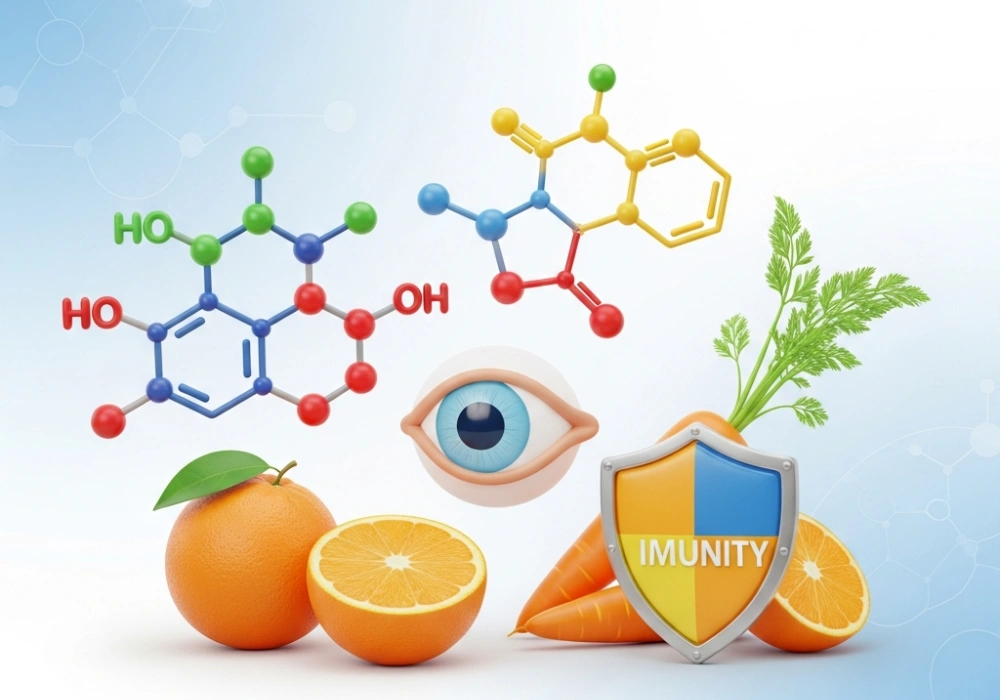
Mastering Vitamins for Kerala PSC: The Ultimate Decoder Guide
In the competitive landscape of Kerala PSC examinations, from the Secretariat Assistant post to the lower-division clerk (LDC) exams, the topic of ‘Vitamins’ stands as a cornerstone of the General Science syllabus. Year after year, examiners return to this subject, testing candidates on everything from chemical names to complex deficiency syndromes. Understanding vitamins is not just about rote memorization; it is about building a conceptual map that allows you to recall facts under the high pressure of the examination hall. This guide is meticulously designed to provide you with a deep-seated understanding of vitamins, structured around realistic simulated questions based on trends seen in Previous Year Questions. We will explore the chemical nuances, the biological impacts of deficiencies, and the primary dietary sources you must know to secure your rank.
ℹᄉ Why is this topic vital for Kerala PSC?
Vitamins consistently account for 1 to 3 marks in the General Science section. Given the high competition, these ‘sure-shot’ marks often determine whether a candidate enters the short-list or not. Mastering chemical names like Retinol, Calciferol, and Tocopherol is non-negotiable for serious aspirants.
Core Classification: Fat-Soluble vs. Water-Soluble
Before we dive into specific Previous Year Questions, we must establish the fundamental classification. Vitamins are divided into two main categories based on their solubility. This determines how they are absorbed, stored, and excreted by the human body.
- Fat-Soluble Vitamins (A, D, E, K): These are stored in the body’s fatty tissues and the liver. They stay in the body longer and can reach toxic levels if consumed in excess (Hypervitaminosis).
- Water-Soluble Vitamins (B-complex and C): These travel through the bloodstream and are not stored in large amounts. Excess quantities are usually excreted through urine, meaning they must be replenished frequently through diet.
ᄉ Ninja Shortcut for Solubility
Remember the word ‘KEDA’. Vitamins K, E, D, and A are Fat-Soluble (KEDA is fat!). The remaining ones, B and C, are found in ‘Water’. Simple and effective for quick recall!
Simulated Question 1: The Vision Vitamin
Question: Which of the following chemical names is associated with Vitamin A, and which deficiency disease is characterized by the inability to see in low light?
A) Calciferol – Rickets
B) Retinol – Nyctalopia
C) Tocopherol – Scurvy
D) Thiamine – Beriberi
Deep Breakdown:
The Traditional Method: Students usually memorize Vitamin A and connect it to ‘Night Blindness’. In advanced Kerala PSC exams, the technical term ‘Nyctalopia’ is often used instead of the common name. Vitamin A is essential for the formation of Rhodopsin, a pigment found in the retina that helps us see in dim light.
The 30-Second Ninja Shortcut: Connect the word ‘Retinol’ to the ‘Retina’ of the eye. If the retina is healthy, you can see; if you lack Retinol, your eye (Retina) fails. Vitamin A = Retinol = Aankh (Eye). Primary sources include carrots (beta-carotene), papaya, and liver oil.
ᄉ Click to reveal the Answer
Correct Answer: B) Retinol – Nyctalopia. Note: Xerophthalmia is another critical deficiency of Vitamin A where the eyes become dangerously dry.
Simulated Question 2: The Complex World of Vitamin B
Question: A deficiency of Vitamin B3 (Niacin) leads to which disease characterized by the ‘3 Ds’ (Dermatitis, Diarrhea, and Dementia)?
A) Pellagra
B) Anemia
C) Cheilosis
D) Osteomalacia
Deep Breakdown:
The Traditional Method: The Vitamin B complex is a group of eight vitamins. B3, known as Niacin, is crucial for cellular metabolism. Its deficiency leads to Pellagra, historically common in populations where corn (maize) was the primary food source because corn is low in bioavailable niacin.
The 30-Second Ninja Shortcut: Use the ‘Number-Disease’ association. B1 is Beriberi (1-1 match). B3 has 3 letters in ‘P-E-L’ (beginning of Pellagra) and leads to the 3-Ds. Niacin sounds like ‘Nice Skin’; without it, your skin is not nice (Dermatitis).
ᄉ Click to reveal the Answer
Correct Answer: A) Pellagra. Extra Fact: Vitamin B12 (Cyanocobalamin) contains the metal Cobalt, which is another frequent topic in Previous Year Questions.
Simulated Question 3: The Fragile Vitamin C
Question: Which vitamin is highly sensitive to heat and is often lost during cooking, and what is its primary deficiency disease involving bleeding gums?
A) Vitamin D – Rickets
B) Vitamin K – Hemophilia
C) Vitamin C – Scurvy
D) Vitamin E – Sterility
Deep Breakdown:
The Traditional Method: Vitamin C, or Ascorbic Acid, is a powerful antioxidant found in citrus fruits and Indian Gooseberry (Amla). It is essential for collagen synthesis. Because it is water-soluble and heat-labile, boiling vegetables for a long time destroys it. Scurvy was famously the ‘Scourge of the Sailors’ who lacked fresh fruit on long voyages.
The 30-Second Ninja Shortcut: ‘C’ stands for ‘Citrus’, ‘C-curvy’ (Scurvy), and ‘C-ooking’ (destroyed by it). If you see a question about Amla or heat sensitivity, always aim for Vitamin C. Amla is the richest natural source of Vitamin C frequently mentioned in Kerala PSC exams.
ᄉ Click to reveal the Answer
Correct Answer: C) Vitamin C – Scurvy. Remember: Scurvy leads to swelling and bleeding of gums and delayed wound healing.
Simulated Question 4: The Sunshine Pro-Hormone
Question: Which vitamin is synthesized in the human skin when exposed to ultraviolet radiation, and what is the name of its deficiency in adults?
A) Vitamin A – Nyctalopia
B) Vitamin D – Osteomalacia
C) Vitamin D – Rickets
D) Vitamin K – Bleeding
Deep Breakdown:
The Traditional Method: Vitamin D (Calciferol) behaves like a hormone. It aids in the absorption of Calcium and Phosphorus in the gut. While ‘Rickets’ is the deficiency in children (leading to bowed legs), ‘Osteomalacia’ is the softening of bones in adults. This is a very common trap in Kerala PSC Previous Year Questions.
The 30-Second Ninja Shortcut: ‘D’ is for ‘Doopp’ (Sunlight) or ‘Density’. Vitamin D gives your bones density. If the question asks about adults, look for the longer word ‘Osteomalacia’. If it asks about kids, look for ‘Rickets’.
ᄉ Click to reveal the Answer
Correct Answer: B) Vitamin D – Osteomalacia (Since the question specifically asked for ‘deficiency in adults’).
Simulated Question 5: The Coagulation Factor
Question: Which vitamin is essential for the synthesis of prothrombin, a protein required for blood clotting, and can be produced by bacteria in the human intestine?
A) Tocopherol
B) Phylloquinone
C) Pyridoxine
D) Riboflavin
Deep Breakdown:
The Traditional Method: Vitamin K (Phylloquinone) is vital for the ‘coagulation cascade’. Without it, a simple cut could lead to continuous bleeding. Interestingly, our gut bacteria (flora) produce a significant portion of our Vitamin K requirements. Newborns are often given a Vitamin K shot because their guts are sterile.
The 30-Second Ninja Shortcut: Connect the letter ‘K’ to ‘Koagulation’ (the German spelling for Coagulation/Clotting). Vitamin K = Clotting. If you see the word ‘Phylloquinone’, just think of the ‘K’ sound in the middle.
ᄉ Click to reveal the Answer
Correct Answer: B) Phylloquinone (The chemical name for Vitamin K1). Sources include green leafy vegetables like spinach and kale.
Vitamin Ultimate Cheat Sheet
| Vitamin | Chemical Name | Deficiency Disease | Primary Source |
|---|---|---|---|
| Vitamin A | Retinol | Night Blindness / Xerophthalmia | Carrot, Papaya, Liver Oil |
| Vitamin B1 | Thiamine | Beriberi | Rice bran, Yeasts, Whole grains |
| Vitamin B2 | Riboflavin | Ariboflavinosis (Cracked lips) | Milk, Eggs, Green veggies |
| Vitamin B3 | Niacin | Pellagra | Meat, Fish, Legumes |
| Vitamin B9 | Folic Acid | Megaloblastic Anemia | Leafy greens, Liver |
| Vitamin B12 | Cyanocobalamin | Pernicious Anemia | Meat, Dairy (Not in plants) |
| Vitamin C | Ascorbic Acid | Scurvy | Amla, Lemon, Guava |
| Vitamin D | Calciferol | Rickets / Osteomalacia | Sunlight, Fatty fish, Egg yolk |
| Vitamin E | Tocopherol | Reduced fertility / Muscle weak | Vegetable oils, Nuts, Seeds |
| Vitamin K | Phylloquinone | Delayed Blood Clotting | Spinach, Cabbage, Intestinal Bio |
Summary of Pro-Tips for Kerala PSC
To wrap up your preparation for the Vitamin section, always keep these additional facts in mind, as they frequently appear in ‘statement-type’ Previous Year Questions:
- Vitamin H: This is another name for Vitamin B7 (Biotin). It is essential for hair and nail health.
- Vitamin B12 Exception: Most B-vitamins are found in plants, but B12 is almost exclusively found in animal products. This is a common question for PSC aspirants.
- Antioxidant Vitamins: Vitamins A, C, and E are primary antioxidants that protect cells from damage.
- The Beauty Vitamin: Vitamin E is often referred to as the ‘Beauty Vitamin’ because of its role in skin health and anti-aging.
- First Discovered Vitamin: While Casimir Funk coined the term ‘Vitamin’, Vitamin B1 was the first to be isolated.
Success in Kerala PSC comes to those who revise. Use the table above as your wallpaper or sticky note until you can recite every chemical name in your sleep!
ᄉ Ready to Crack the Next Exam?
Get personalized mentoring, free mock tests, and more Previous Year Questions decoded for your success at MyEntrance.
💬 Chat with our Experts on WhatsApp (+91 9526806124)




