
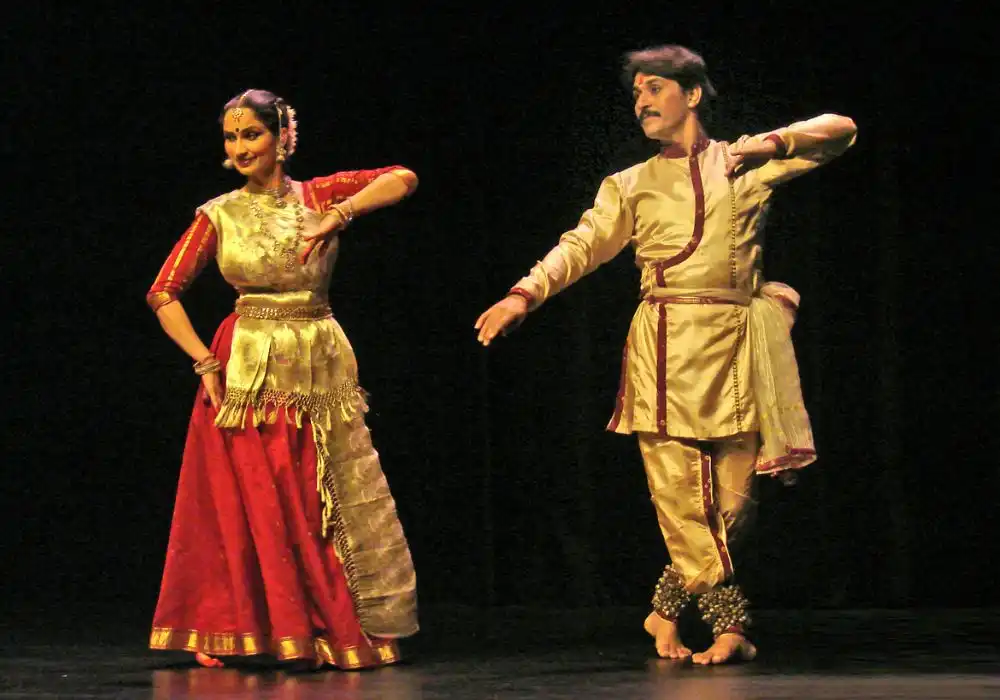
For aspirants targeting challenging competitive exams such as UPSC, SSC, PSC, NID, NIFT, and various other government posts, a thorough understanding of India’s vibrant cultural tapestry is indispensable. When we delve into the world of Indian classical dances, one particular form holds the unique distinction of being the sole classical dance to have its origins in the heart of Uttar Pradesh: Kathak. This captivating dance form is not just a performance; it’s a profound journey through history, storytelling, and intricate artistry, making it a frequently tested topic in General Knowledge and Art & Culture sections.
The Essence of Kathak: Storytelling Through Movement
The very name ‘Kathak’ is derived from the Sanskrit word ‘Katha,’ meaning ‘story,’ and ‘Kathakar,’ meaning ‘storyteller.’ True to its etymology, Kathak is essentially the art of narrating tales through expressive movements, dramatic gestures, and rhythmic footwork. Dancers, known as Kathakars, traditionally used their art to recount mythological narratives, epic poems, and devotional stories, transforming ancient texts into living, breathing performances. Key features of Kathak include the elaborate ‘tatkar’ or intricate footwork, executed with bells (ghungroos) on the ankles, mesmerizing ‘chakkars’ or pirouettes, and expressive ‘abhinaya’ through facial expressions and hand gestures (mudras). It beautifully blends ‘Nritta’ (pure dance movements), ‘Nritya’ (expressive dance), and ‘Natya’ (drama) to create a holistic visual and emotional experience.
A Journey Through Time: Kathak’s Rich History and Evolution
Kathak’s roots can be traced back to the ancient temple traditions of North India, where travelling bards would use song, dance, and drama to share religious teachings. Over centuries, particularly during the Bhakti movement, it gained immense popularity as a medium for devotional expression. However, a significant transformation occurred with the arrival of the Mughal era. Under royal patronage, Kathak moved from the temples into the courtrooms of Nawabs and kings, most notably in Lucknow and Jaipur. This shift led to a refinement of its technical aspects, emphasizing elaborate costumes, sophisticated music, and a greater focus on pure dance and abstract rhythmic patterns, while still retaining its storytelling essence. It evolved into a sophisticated court entertainment, influencing and being influenced by Persian culture, yet maintaining its distinct Indian identity. Post-independence, Kathak has seen a magnificent revival and is now celebrated globally as a cornerstone of India’s performing arts.
Kathak’s Significance for Competitive Exams
For anyone aspiring to clear exams like UPSC Civil Services, SSC CGL, various PSC examinations, or entrance tests for institutions like NID and NIFT, understanding Kathak is not merely an academic exercise; it’s a strategic move. Questions related to Indian classical dances frequently appear in the General Knowledge and Art & Culture sections. You might encounter inquiries about Kathak’s origin, its unique characteristics, prominent Kathak gharanas (schools or lineages like Lucknow, Jaipur, and Benares), famous exponents, or its historical evolution. A solid grasp of Kathak’s nuances can provide valuable marks, boosting your overall score and improving your chances of success. It’s a key part of India’s intangible cultural heritage, reflecting the country’s diverse artistic traditions.
Mastering Kathak Facts for Your Success
To effectively prepare Kathak for your upcoming exams, focus on its key distinguishing features. Understand the difference between its temple origins and courtly adaptations. Memorize the major gharanas and their specific characteristics—for instance, the Lucknow gharana’s emphasis on grace and expression, the Jaipur gharana’s focus on powerful footwork, and the Benares gharana’s balanced approach. Familiarize yourself with celebrated Kathak maestros and their contributions. MyEntrance.in offers interactive examinations, daily news quizzes, static general knowledge modules, and examination tips that specifically cover such crucial cultural topics, providing you with the comprehensive resources needed to master Kathak and many other subjects for your exam success.
Frequently Asked Questions (FAQs)
Q1: Which is the only classical dance form originating from Uttar Pradesh?
A1: Kathak is the sole classical dance form that originated in Uttar Pradesh, India, making it a unique aspect of the state’s cultural heritage.
Q2: What does the word ‘Kathak’ literally mean?
A2: The word ‘Kathak’ is derived from the Sanskrit term ‘Katha’ meaning ‘story,’ and ‘Kathakar’ referring to ‘storyteller,’ signifying its fundamental essence as a storytelling dance form.
Q3: Name some prominent Gharanas associated with Kathak.
A3: The three primary Gharanas (schools or lineages) of Kathak are the Lucknow Gharana, the Jaipur Gharana, and the Benares (Varanasi) Gharana, each distinguished by its unique stylistic emphasis and repertoire.
Q4: What are the key elements or distinguishing features of Kathak?
A4: Kathak is characterized by intricate footwork (‘tatkar’), mesmerizing pirouettes (‘chakkars’), expressive hand gestures (‘mudras’), and profound facial expressions (‘abhinaya’) used for narrating stories and conveying emotions.
Q5: Why is Kathak an important topic for competitive exams like UPSC and SSC?
A5: Kathak is crucial for competitive exams because questions on Indian classical dances, cultural heritage, and performing arts frequently appear in the General Knowledge and Art & Culture sections, directly testing candidates’ understanding of this significant and unique art form.





