
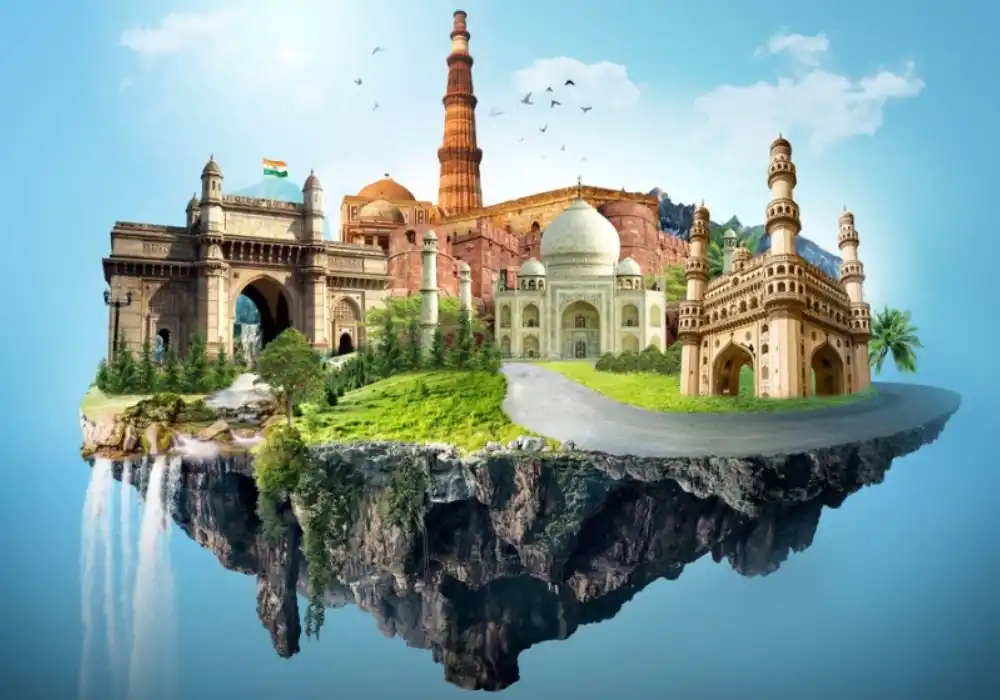
The Core Vision: Why Connectivity Matters for Tourism and the Economy
India’s vibrant culture, breathtaking landscapes, and rich heritage have always attracted visitors from around the globe. Today, the nation is taking a strategic leap, placing enhanced connectivity at the very heart of its tourism development. This isn’t merely a policy statement; it’s a powerful engine driving economic growth, regional development, and critically, a key area for aspirants preparing for competitive examinations like UPSC, SSC, PSC, NID, NIFT, and other government jobs. Understanding this nexus between connectivity and tourism is crucial for your current affairs, general knowledge, and even interview rounds. Prepare for current affairs sections by taking our daily current affairs quiz for UPSC and SSC.
At its core, India’s tourism vision recognizes that accessibility is paramount. No matter how magnificent a destination, its full potential remains untapped if travelers cannot reach it conveniently and affordably. By prioritizing robust connectivity, the government aims to unlock previously inaccessible or less-explored regions, transforming them into thriving tourist hubs. This approach is not merely about increasing visitor numbers; it’s a comprehensive strategy to empower local communities, create diverse employment opportunities, and catalyze socio-economic development across the nation. From boosting hospitality sectors to supporting local artisans and service providers, improved connectivity serves as the bedrock for sustainable and inclusive tourism growth, significantly contributing to India’s Gross Domestic Product (GDP).
Government Initiatives in Action: How India is Enhancing Travel Pathways
The commitment to connectivity is evident in various pioneering government initiatives designed to make travel seamless and widespread. A prime example is the ‘Ude Desh ka Aam Nagrik’ (UDAN) scheme, which focuses specifically on regional air connectivity. By subsidizing flights to smaller towns and remote areas, UDAN has dramatically improved access to numerous tourist sites, making travel more affordable and time-efficient for both domestic and international visitors. This scheme exemplifies a targeted approach to bridge geographical gaps and bring more destinations onto the tourism map.
However, the push for connectivity extends far beyond air travel. Significant investments in upgrading and expanding national highway networks, improving rural road infrastructure, and modernizing railway systems all play a pivotal role. The development of multi-modal transportation hubs and the expansion of digital connectivity, ensuring tourists have access to information and services, further complement these efforts. These combined initiatives ensure a holistic approach, creating a seamless and integrated travel experience that encourages exploration and longer stays, thereby enriching the overall tourist experience and distributing its benefits more widely.
Impact on India’s Growth and Your Competitive Exam Preparation
The direct impact of enhanced connectivity on tourism is a powerful driver for India’s overall economic expansion. A thriving tourism sector attracts foreign exchange, stimulates investment, and fosters deeper cultural exchange. It contributes substantially to the service sector, generating a ripple effect across various ancillary industries.
For aspirants of competitive examinations, understanding these policy initiatives and their outcomes is absolutely vital. Questions related to government schemes, infrastructure development, economic indicators, and India’s position on the global tourism map frequently appear in the current affairs and general knowledge sections of exams like UPSC Civil Services, SSC CGL, various bank examinations, and state Public Service Commissions. Knowledge of schemes like UDAN, the role of the Ministry of Tourism, the broader economic implications of infrastructure development, and the strategies for regional development demonstrates a well-rounded understanding of national development, which is highly valued in interviews and descriptive papers. Staying informed about these dynamic policy landscapes not only prepares you for exam questions but also equips you with essential knowledge for a career in public service.
Master These Topics with MyEntrance.in
At MyEntrance.in, we understand the critical importance of staying updated on such dynamic national developments. Our comprehensive educational resources are meticulously designed to help you master topics like India’s tourism vision and connectivity for your competitive exams. We provide daily current affairs updates, interactive daily news quizzes to test your understanding, detailed static general knowledge modules covering economic policies and infrastructure, and subject-specific mock examinations with in-depth answers. Our aim is to offer precise, relevant, and easy-to-understand content, ensuring you are thoroughly prepared to tackle questions related to government initiatives, their impact, and their significance in the larger national context, turning complex information into scoring opportunities.
India’s strategic emphasis on connectivity is not just reshaping its tourism landscape; it’s a testament to a broader vision of inclusive growth and development. For aspiring civil servants and professionals, this topic offers a rich ground for learning and analytical thinking. Stay informed, study diligently, and leverage platforms like MyEntrance.in to navigate the complexities of national policies and achieve success in your competitive examinations. Access a well-organized repository of key static GK facts for exams on our site.
Frequently Asked Questions (FAQs)
Q1: What is the primary objective of India’s tourism vision regarding connectivity?
A1: The primary objective is to make tourist sites more accessible and affordable, thereby promoting regional development, economic growth, and job creation across the nation, especially in previously less-explored areas, to ensure inclusive growth of the tourism sector.
Q2: How does the UDAN scheme specifically contribute to India’s tourism development?
A2: The UDAN (Ude Desh ka Aam Nagrik) scheme significantly boosts tourism by enhancing regional air connectivity. It subsidizes flights to unserved and underserved airports and heliports, making it easier and cheaper for travelers to reach diverse tourist destinations, thus increasing visitor traffic and stimulating local economic activity in those regions.
Q3: Why is understanding government tourism policies, like the focus on connectivity, important for competitive exams?
A3: Understanding government tourism policies is vital for competitive exams because these topics frequently appear in current affairs, general knowledge, economy, and policy sections. They demonstrate an aspirant’s awareness of national development strategies, their implementation, and their socio-economic impact, which are crucial for success in interviews and descriptive papers.
Q4: Besides air travel, what other connectivity aspects are crucial for India’s tourism growth?
A4: Beyond air travel, robust road networks (including national highways and rural roads), improved railway infrastructure, and enhanced digital connectivity (like widespread internet access for information and services) are equally crucial. These provide multi-modal travel options and facilitate a seamless, integrated travel experience for tourists.
Q5: How can MyEntrance.in help me study current affairs related to tourism and government schemes for my exams?
A5: MyEntrance.in offers comprehensive resources including daily current affairs updates, interactive news quizzes, detailed static General Knowledge modules covering government schemes and economic policies, and subject-specific mock exams. Our content provides in-depth analysis and clear explanations to help you thoroughly understand and prepare for questions on these dynamic topics.





