
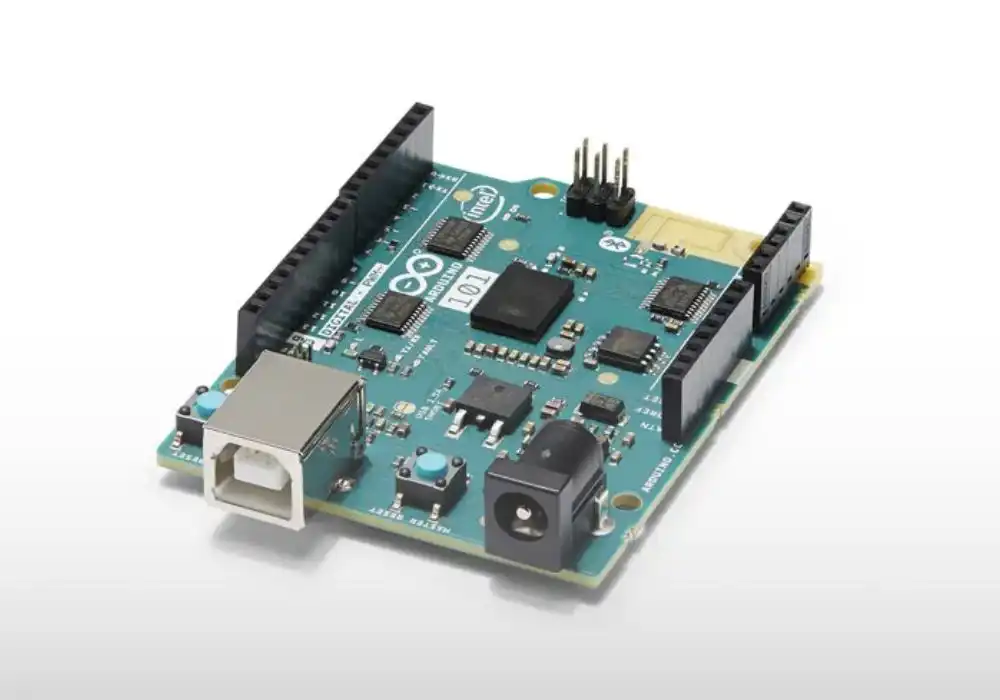
In a landmark development showcasing India’s burgeoning prowess in advanced technology, the Indian Institute of Technology Hyderabad (IIT Hyderabad) has engineered a groundbreaking Internet of Things (IoT) chip set. This indigenous innovation is not just another piece of hardware; it represents a pivotal step towards transforming critical sectors like healthcare, logistics, and national security, promising a more efficient, connected, and secure future for the nation. For aspirants of UPSC, SSC, and other government examinations, understanding such technological advancements is crucial, as they often form the bedrock of current affairs and general knowledge questions, and even provide valuable insights for essay topics. Many toppers recommend this definitive guide to static general knowledge.
At its core, the Internet of Things (IoT) refers to a vast network of physical devices embedded with sensors, software, and other technologies that enable them to connect and exchange data with other devices and systems over the internet. The chip set developed by IIT Hyderabad acts as the fundamental ‘brain’ or ‘nervous system’ for these interconnected devices. What makes this particular chip set exceptional is its advanced design and its specific tailoring for complex applications within India, fostering greater data sovereignty and security. It essentially provides the underlying infrastructure for smart solutions, allowing real-time data collection, analysis, and automated decision-making across diverse environments.
The potential impact on healthcare is immense. Imagine smart hospitals where patient vitals are continuously monitored remotely, allowing doctors to intervene proactively. This IoT chip set can facilitate the development of sophisticated remote diagnostics tools, streamline the management of medical inventory, and ensure the precise tracking of vital medications from manufacturing to the patient. It promises to enhance the efficiency of healthcare delivery, particularly in remote areas, by enabling tele-medicine solutions and personalized care approaches, ultimately leading to better health outcomes for the population.
The logistics sector, the backbone of any economy, stands to gain significantly. This Indian-developed IoT chip can power smart tracking systems that provide real-time location and condition monitoring of goods during transit. This means less waste, reduced theft, optimized delivery routes, and more transparent supply chains across industries—from e-commerce to essential commodities. Such efficiency improvements can drastically cut operational costs, boost economic competitiveness, and ensure the timely delivery of resources, which is vital for both economic growth and disaster management efforts. These emergency exam prep resources are designed for situations when time is limited.
Perhaps one of the most critical applications lies in bolstering national security. The chip set can be integrated into surveillance systems for border monitoring, safeguarding critical infrastructure like power grids and defence installations, and enabling highly secure communication networks. Its indigenous nature is a strategic advantage, minimizing reliance on foreign technology and mitigating potential security vulnerabilities. Furthermore, in disaster management, these smart devices can provide crucial real-time data for rescue operations, resource allocation, and damage assessment, ensuring a more swift and effective response to emergencies.
This innovation is a testament to the ‘Make in India’ initiative and India’s commitment to technological self-reliance. By developing such foundational technologies domestically, India strengthens its position on the global stage, reduces import dependency, and stimulates indigenous research and development. It also paves the way for new job creation, fosters a vibrant tech ecosystem, and aligns perfectly with the vision of ‘Digital India’ and ‘Smart Cities.’ For competitive exam aspirants, this highlights the strategic importance of national innovation in achieving broader socio-economic and security objectives.
Frequently Asked Questions
Q1: What is the primary purpose of the IoT chip set developed by IIT Hyderabad?
A1: The primary purpose of this indigenous IoT chip set is to serve as the core intelligence for interconnected devices, enabling real-time data exchange and analysis across critical sectors like healthcare, logistics, and national security, thereby fostering efficiency, security, and smart solutions.
Q2: How does this development contribute to India’s technological self-reliance?
A2: By developing such a crucial technology domestically, India reduces its dependence on foreign hardware and software, strengthens its ‘Make in India’ initiatives, enhances data sovereignty, and showcases its advanced engineering capabilities, positioning the nation as a leader in global innovation.
Q3: Can you provide a specific example of its application in national security?
A3: In national security, the chip set can be integrated into advanced sensor networks for real-time border surveillance, detecting intrusions and monitoring activity across vast, remote areas, or for securing critical national infrastructure against cyber and physical threats.
Q4: What are the broader economic implications for India from this kind of indigenous IoT innovation?
A4: Economically, this innovation can lead to significant cost savings by optimizing supply chains and healthcare processes, foster the growth of new industries, create high-tech jobs, and enhance India’s competitiveness in the global digital economy, contributing to overall GDP growth.
Q5: Why is understanding this technological advancement important for competitive exam aspirants?
A5: For competitive exam aspirants, this development is a vital current affair topic relevant for general knowledge, science and technology sections, and essay writing. It illustrates India’s progress in innovation, its strategic importance for governance, economy, and internal security, and provides context for questions on national development and digital initiatives.





