
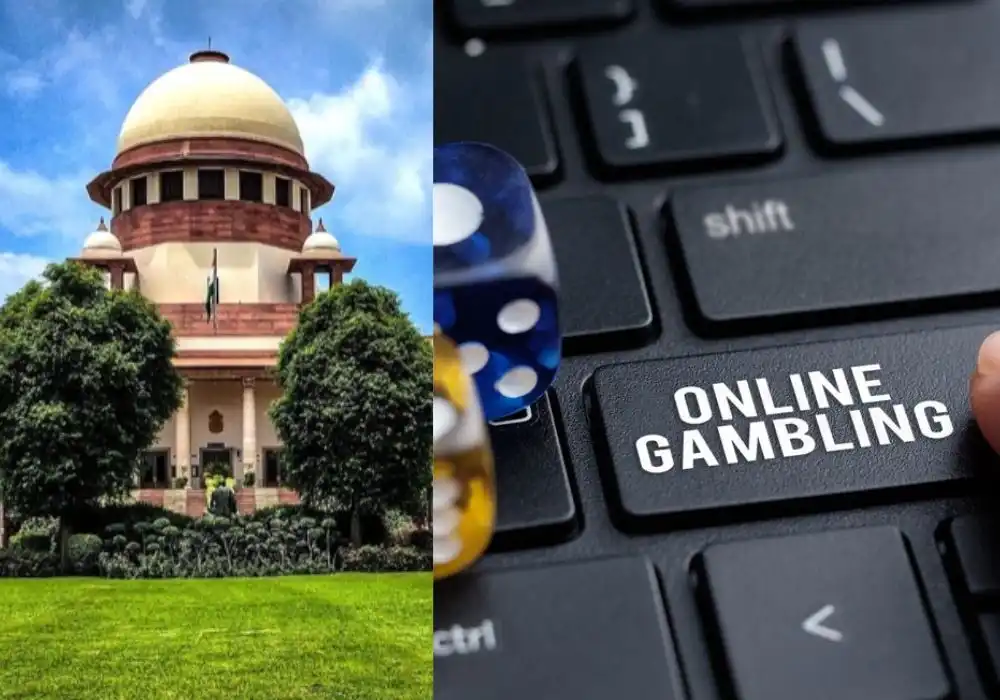
In a significant development that impacts India’s digital landscape and collective social welfare, the Supreme Court of India has recently called upon the Central Government for its crucial support. This pivotal moment stems from a Public Interest Litigation (PIL) that seeks a complete prohibition on online gambling and betting platforms currently operating across the country. These platforms often cleverly market themselves as innocuous esports or social games, making them easily accessible and deceptively appealing to a wide audience. For aspirants diligently preparing for competitive examinations such as UPSC, SSC, PSC, NID, NIFT, and other government roles, understanding the intricacies of this issue is vital as it touches upon critical aspects of governance, social ethics, national law, and current affairs.
Why the Supreme Court Stepped In: The Core Concerns
The primary impetus behind the Supreme Court’s intervention originates from a detailed petition highlighting several grave concerns associated with the unchecked proliferation of online gambling. The petition explicitly alleges that many prominent public figures, including revered cricketers and celebrated film stars, are actively endorsing these platforms. This powerful celebrity backing, it is argued, lends an undue sense of legitimacy and trustworthiness to activities that are, in essence, unlawful and fraught with significant risks.
The ‘why’ behind this judicial scrutiny is deeply multifaceted. Firstly, the widespread promotion by beloved public figures leads a vast number of individuals, particularly the impressionable youth, to engage in these games without fully comprehending the profound potential dangers. Secondly, the petition specifically points to a disturbing and growing trend of cyber frauds that are emerging directly from these platforms, where unsuspecting users are frequently cheated out of their hard-earned money. Beyond mere financial loss, the issue delves into profound social and psychological impacts, including the development of severe gambling addiction and various debilitating mental health disorders among users. These collective concerns paint a grim picture of a rapidly rising social menace that unequivocally demands immediate and comprehensive governmental intervention.
What is a Public Interest Litigation (PIL) and Its Role Here?
For those aspiring individuals who might be unfamiliar with specific legal terminology, a Public Interest Litigation (PIL) is a powerful and essential tool embedded within the Indian legal system. It allows courts to effectively address matters of significant public importance, even if the individual or group filing the petition is not directly affected by the issue at hand. In this specific case, the PIL brought before the Supreme Court aims to safeguard the wider public from the detrimental and far-reaching effects of online gambling. It serves as a resounding call for justice and protection on behalf of countless individuals who might otherwise be vulnerable to the deceptive allure and destructive consequences of these platforms. The court, by seeking direct assistance from the Central Government, is essentially requesting a coordinated, national-level strategy to effectively combat this pervasive challenge, thereby underscoring both the urgency and the sheer scale of the problem at hand.
The Peril of Celebrity Endorsements: A Deeper Look
When a celebrity chooses to endorse a product or service, it instantly garners immense credibility and widespread appeal. This phenomenon becomes particularly dangerous and ethically questionable in the context of online gambling. The petition strongly argues that by associating their widely recognized names and cherished images with these inherently risky platforms, famous personalities are inadvertently (or perhaps even knowingly) drawing countless people into what could become highly destructive habits. This raises serious and pertinent ethical questions about the responsibility of public figures and underscores the pressing need for significantly stricter regulations concerning endorsements, especially for products or services that possess considerable potential for negative societal impacts. The critical distinction between a seemingly benign online game and a predatory betting platform often becomes dangerously blurred for many users when a trusted celebrity lends their face to its promotion.
The Broader Impact: Cyber Frauds, Addiction, and Mental Health
The petition’s detailed allegations meticulously shed light on the severe and wide-ranging consequences of unregulated online gambling. Cyber frauds represent a growing and increasingly sophisticated menace, with unsuspecting users frequently falling prey to intricate scams and losing substantial sums of money. Furthermore, the highly addictive nature of gambling is a well-documented psychological phenomenon, leading directly to financial ruin, profoundly strained relationships, and a tragic breakdown of personal well-being. Moreover, the constant, emotionally turbulent cycle of winning and losing, the intense thrill, and the desperate pursuit associated with online betting often culminate in serious and debilitating mental health disorders, including chronic anxiety, severe depression, and, in tragic cases, even suicidal ideation. These are not merely isolated individual problems but collectively pose a significant and growing public health challenge that unequivocally necessitates a robust regulatory framework and comprehensive public awareness campaigns.
The Way Forward: Government’s Expected Role and Potential Outcomes
With the Supreme Court’s direct intervention, the focus of action now decisively shifts to the Central Government. The ‘how’ of effectively addressing this complex issue could involve several crucial and complementary measures. The government might consider drafting entirely new legislation specifically designed to rigorously regulate or even completely ban online gambling nationwide. This potential legislation could encompass stricter licensing norms, robust and continuous monitoring mechanisms, and severe penalties for non-compliance. There could also be a significant push for comprehensive public awareness campaigns explicitly aimed at educating citizens about the inherent risks involved. Given the profound complexities and rapid evolution of the digital world, a multi-pronged approach involving cutting-edge technology, diligent law enforcement, and astute public policy is widely expected to formulate an effective and sustainable response to curb the alarming spread of these “unlawful games” and ultimately protect citizens from their severe adverse effects.
Frequently Asked Questions (FAQs)
Q1: What exactly is the Supreme Court’s primary concern regarding online gambling?
A1: The Supreme Court’s primary concern revolves around the unchecked proliferation of online gambling and betting platforms, particularly those that are openly endorsed by celebrities. It seeks to address grave issues such as widespread cyber frauds, the rampant problem of gambling addiction, and the escalation of mental health disorders alleged to be directly caused by these “unlawful games,” which often deceptively disguise themselves as harmless esports or social games.
Q2: What is a Public Interest Litigation (PIL) in the specific context of this issue?
A2: A Public Interest Litigation (PIL) is a powerful legal action that can be filed in the Supreme Court (or a High Court) on behalf of the general public interest, rather than for the personal gain or benefit of an individual. In this particular case, the PIL aims to protect the wider public from the harmful and detrimental effects of online gambling by advocating for a nationwide ban, thereby emphasizing the broader societal impact of this pervasive problem.
Q3: Why are celebrity endorsements considered a major problem in this situation?
A3: Celebrity endorsements are deemed a major and problematic factor because they lend immense credibility, allure, and perceived legitimacy to online gambling platforms. When trusted and beloved public figures actively promote these sites, it can easily mislead countless individuals, particularly the impressionable youth, into falsely believing that these platforms are safe, legitimate, and harmless, thus significantly increasing engagement and exposure to potential harms like crippling addiction and pervasive fraud.
Q4: What are the main negative impacts of online gambling highlighted by the petition?
A4: The petition meticulously highlights several severe negative impacts, which include widespread cyber frauds where unsuspecting users lose substantial amounts of money, the alarming development of severe gambling addiction that can destroy lives, and the manifestation of various serious mental health disorders such as chronic anxiety, debilitating depression, and, tragically, even suicidal thoughts among affected individuals.
Q5: How might this development be relevant for upcoming competitive exams like UPSC or SSC?
A5: This significant development is highly relevant for candidates preparing for competitive exams as a critical current affairs topic. It comprehensively covers various aspects of governance (the Supreme Court’s constitutional role, the necessity of government intervention), pressing social issues (addiction, cyber fraud, public welfare), ethical considerations (the responsibility of celebrity endorsements), and evolving law (Public Interest Litigation, potential new legislation). Consequently, it could feature prominently in General Studies papers, Current Affairs sections, or even serve as a compelling topic for essay writing in examinations like UPSC, SSC, PSC, NID, NIFT, and other government recruitment tests.





