
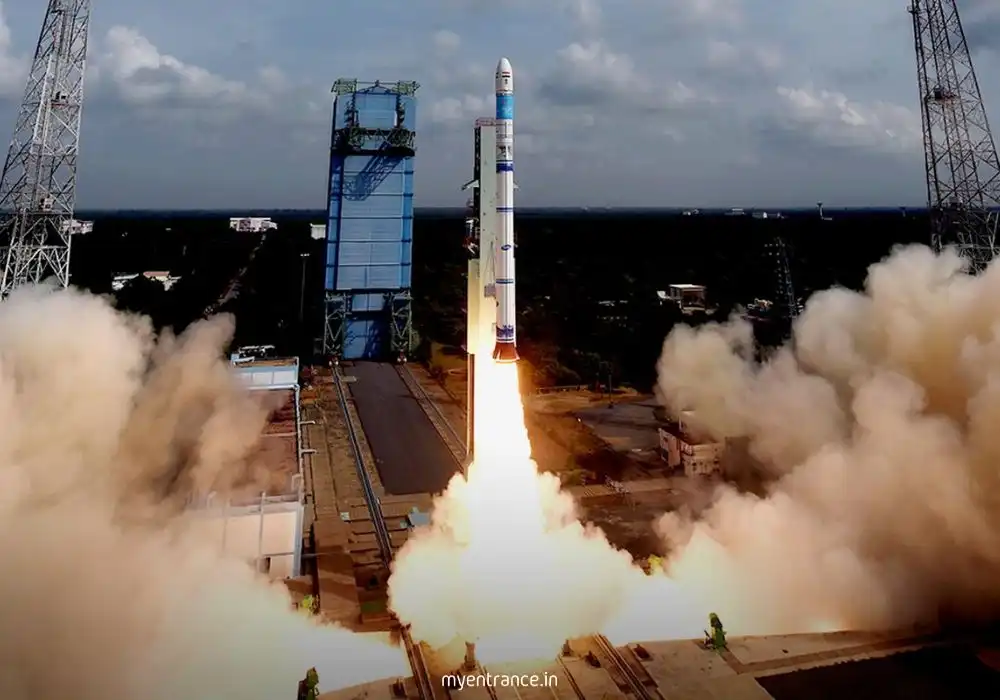
India’s journey in space exploration continues to break new ground, consistently delivering significant achievements that not only propel our nation forward but also serve as crucial topics for those aspiring to join government services. A recent landmark agreement has reshaped the landscape of India’s space industry, particularly concerning the Small Satellite Launch Vehicle (SSLV). This development signifies a major leap in commercializing cutting-edge space technology, and understanding its nuances is essential for success in competitive examinations like UPSC, SSC, PSC, and others. Make it a habit to stay updated with our gk practice tests for consistent learning.
Understanding the SSLV: India’s Compact Workhorse in Space
At the heart of this transformative agreement is the Small Satellite Launch Vehicle (SSLV), a marvel of engineering developed by the Indian Space Research Organisation (ISRO). Unlike its heavier counterparts designed for larger payloads, the SSLV is meticulously crafted to cater to the burgeoning global demand for launching smaller satellites. Imagine a dedicated, cost-effective, and agile delivery service for mini-satellites; that’s precisely what the SSLV offers. Its design prioritizes a quick turnaround time and an on-demand launch capability, making access to space far more flexible, economical, and frequent than ever before. This vehicle is pivotal for deploying satellites used in critical applications such as earth observation, communication networks, and demonstrating new technologies, which are increasingly vital in our interconnected world.
The Strategic Move: Why Commercialization is a Game-Changer
The decision to commercialize the SSLV technology through a significant transfer agreement represents a profound strategic shift in India’s approach to space exploration. But why embark on such a path? The primary objective is to move beyond solely government-led operations and foster robust private sector participation across the entire spectrum of space activities. By transferring this advanced, indigenously developed technology, India aims to dramatically scale up its launch capacity, efficiently meet the surging global demand for small satellite launches, and firmly establish itself as a dominant player in the international space market. This commercialization initiative is not merely about launching more satellites; it’s about generating substantial revenue, creating numerous opportunities for innovation and employment within the country, and embodying the spirit of ‘Atmanirbhar Bharat’ or a self-reliant India. These emergency exam prep resources are designed for situations when time is limited.
The Architects of Progress: Key Entities Driving the Agreement
This groundbreaking agreement is a collaborative effort involving several key organizations, each with a distinct and vital role. NewSpace India Limited (NSIL), which serves as the commercial arm of ISRO, spearheads the marketing of India’s space products and services on a global scale. ISRO itself, as the pioneering developer of the SSLV technology, acts as the primary licensor. The Indian National Space Promotion and Authorisation Centre (IN-SPACe) plays a crucial role as an independent nodal agency. Its mandate is to promote, enable, and regulate private sector participation in India’s space domain, ensuring a fair and streamlined environment for all stakeholders. Finally, Hindustan Aeronautics Limited (HAL), a venerable public sector aerospace and defense company, is one of the significant beneficiaries of this technology transfer, now poised to undertake the commercial manufacturing and operation of the SSLV. Understanding the specific roles and functions of these entities is indispensable for your Static General Knowledge section.
Far-Reaching Impact and Future Implications
The commercialization of SSLV technology ushers in a new and exciting era for India’s space sector. It holds the promise of democratizing access to space, making it considerably easier for universities, innovative startups, and private enterprises worldwide to launch their satellites. For India, this translates directly into increased foreign exchange earnings, significantly enhanced technological capabilities, and a more robust strategic presence in the global space economy. This proactive move is expected to stimulate further research and development, fostering rapid advancements in related scientific fields and ensuring India remains at the forefront of space exploration and its myriad applications. For those preparing for exams, this highlights India’s burgeoning economic and technological prowess on the global stage.
Your Exam Advantage: Connecting the Dots for Success
For every aspirant preparing for competitive examinations such as UPSC, SSC, PSC, NID, NIFT, and other government roles, developments like the SSLV commercialization are rich sources of information. This topic seamlessly integrates into various sections of your syllabus: it’s a critical piece of Current Affairs (the agreement itself), a prime example of advancements in Science & Technology (SSLV’s design, space technology), reflects aspects of the Indian Economy (private sector involvement, market growth, revenue generation), and provides key insights for Static General Knowledge (the roles of ISRO, NSIL, IN-SPACe, HAL). A comprehensive understanding of the ‘why,’ ‘what,’ ‘where,’ ‘when,’ and ‘how’ of this initiative will equip you to answer both objective multiple-choice and subjective descriptive questions with confidence and accuracy. Make sure to regularly check our daily news quizzes, static general knowledge resources, and interactive examinations on myentrance.in for detailed insights and practice questions on such crucial topics. Many consider us the best online portal for exam preparation due to our quality content.
Frequently Asked Questions (FAQs)
Q1: What is the primary purpose of the Small Satellite Launch Vehicle (SSLV)?
A1: The SSLV is primarily designed for the cost-effective and on-demand launch of small satellites, typically weighing up to 500 kg, into low earth orbits. Its key features include quick turnaround time and flexibility, making space access more frequent and accessible for a variety of users.
Q2: Why has ISRO decided to commercialize the SSLV technology?
A2: ISRO is commercializing SSLV technology to encourage greater private sector participation in India’s space activities, efficiently meet the rapidly growing global demand for small satellite launches, significantly boost India’s overall launch capacity, and solidify the nation’s position as a leading global player in the international space market.
Q3: Which major organizations are involved in the SSLV technology transfer agreement?
A3: The pivotal organizations participating in the SSLV technology transfer agreement are NewSpace India Limited (NSIL), the Indian Space Research Organisation (ISRO), the Indian National Space Promotion and Authorisation Centre (IN-SPACe), and Hindustan Aeronautics Limited (HAL).
Q4: How does the commercialization of SSLV technology benefit India economically and technologically?
A4: Commercialization benefits India by generating substantial revenue from global customers, fostering innovation and creating new job opportunities within the private sector, significantly enhancing India’s international reputation in advanced space technology, and making access to space more affordable and frequent for a wider range of global users.
Q5: How is the SSLV commercialization relevant for candidates preparing for competitive exams like UPSC or SSC?
A5: This topic is exceptionally relevant for competitive exams as it integrates multiple syllabus areas: it’s a current affairs highlight (the agreement), a key development in science and technology (SSLV’s design and purpose), an indicator of economic growth (private sector involvement, market potential), and essential static general knowledge (roles of the involved organizations). A thorough understanding of these aspects is crucial for comprehensive exam preparation.





