
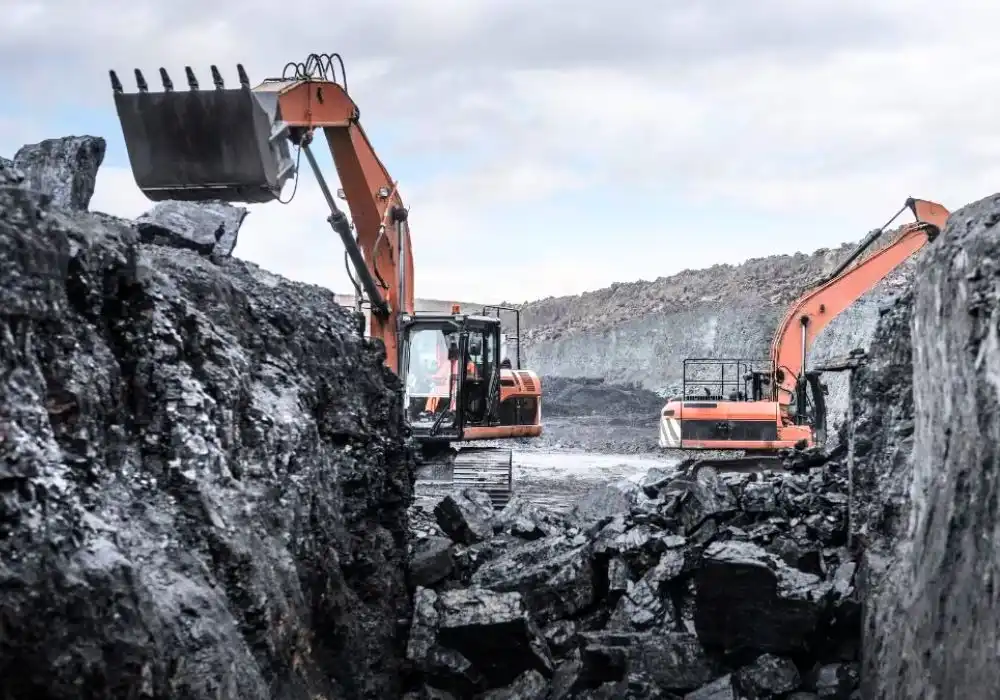
The bedrock of India’s economy, its coal and mineral sectors, is undergoing an unprecedented transformation, a shift critical not just for national development but also for your competitive exam success. Far from being stagnant, these vital industries are now at the forefront of driving green growth while simultaneously meeting the nation’s burgeoning energy needs. As an aspiring candidate for UPSC, SSC, PSC, or other government exams, understanding this dynamic evolution is no longer optional – it’s essential for acing current affairs, economics, and even environmental sections. Enhance your knowledge with our curated daily news analysis for GK.
India’s Energy Sector: A Critical Junction for Aspirants
India’s journey towards becoming a global economic powerhouse is inextricably linked to its energy security and resource management. The coal and mineral sectors, often seen as traditional, are now pioneering a strategic pivot. We are witnessing a monumental effort to modernize operations, enhance efficiency, and integrate sustainable practices, all while navigating a complex global energy landscape. For your exams, this means moving beyond rote learning of facts and figures to grasping the underlying policies, economic implications, and environmental considerations driving these changes. This transformation represents a living case study of economic development, policy implementation, and environmental stewardship – topics frequently tested in comprehensive exams.
Decoding the “Green Growth” Imperative in Resource Management
The concept of “green growth” within the coal and mineral sectors might seem contradictory at first glance, but it’s a crucial development you must understand. It signifies India’s commitment to expanding its industrial output and energy capacity while minimizing environmental impact and promoting sustainability. This involves adopting cleaner mining technologies, improving resource utilization, reducing carbon footprints, and exploring alternative energy sources alongside traditional ones. The goal is to ensure that economic progress does not come at the expense of ecological balance. For exam purposes, be prepared to discuss initiatives like coal gasification, carbon capture technologies, and land reclamation projects as examples of green growth strategies within these sectors. This balance between development and environment is a recurring theme in many competitive examinations.
Key Economic Indicators and Future Projections You Must Know
Recent achievements in India’s coal and mineral sectors offer concrete data points invaluable for your exam preparation. For instance, the landmark achievement of coal production and dispatch crossing one billion tonnes in the fiscal year 2024-25 underscores the sector’s robust performance and its pivotal role in meeting India’s energy demands. Furthermore, with demand projected to reach 1.6 billion tonnes, the trajectory is clearly one of significant expansion. These figures are not mere statistics; they represent the scale of economic activity, the potential for job creation, and the strategic importance of these resources. Understanding these growth metrics, along with future projections, will enable you to answer questions on India’s economic outlook, energy policy, and industrial growth with confidence. Always connect these numbers to their broader economic and social implications.
Policy Drivers and the Roadmap Ahead
The monumental shift in India’s coal and mineral sectors is not accidental; it is a direct result of proactive governmental policies aimed at liberalizing, modernizing, and sustainably developing these crucial resources. Initiatives focused on auctioning of coal blocks, encouraging private sector participation, leveraging technology for exploration and extraction, and promoting domestic production are all contributing factors. The long-term vision is to achieve self-reliance in energy, foster a competitive market, and integrate environmental best practices throughout the value chain. For your exam, focus on understanding the names of key government schemes, policy frameworks, and the objectives behind these reforms. This deeper understanding will help you analyze case studies and policy-related questions in a nuanced manner. The transformation currently underway promises not just energy security but also a blueprint for sustainable industrial growth, a narrative essential for any informed civil service aspirant.
Why This Topic is Indispensable for Your Exam Preparation
This ongoing transformation in India’s coal and mineral sectors directly links to multiple sections of your competitive exams. It forms a core component of Current Affairs, covering recent policy announcements and achievements. In Economics, it addresses industrial growth, energy economics, fiscal policy, and resource allocation. For General Studies papers, particularly those focusing on Environment and Ecology, it provides a practical context for discussing sustainable development, climate change mitigation, and resource management. Furthermore, questions on government schemes and initiatives often draw from developments in sectors like these. Mastering this topic provides a comprehensive understanding of India’s development trajectory, equipping you with insights to tackle analytical and descriptive questions effectively.
Frequently Asked Questions (FAQs)
Q1: Why is understanding India’s coal and mineral sector transformation important for competitive exams?
A1: This transformation is crucial for exams as it covers vital aspects of Current Affairs, Indian Economy (industrial growth, energy policy), Environment (green growth, sustainability), and General Studies (government initiatives, resource management). It provides a real-world context for many theoretical concepts and recent policy decisions.
Q2: What does “green growth” specifically mean in the context of coal and mineral sectors in India?
A2: “Green growth” in this context refers to achieving economic expansion and increased production in the coal and mineral sectors while simultaneously adopting environmentally sustainable practices. This includes using cleaner technologies, improving resource efficiency, minimizing ecological damage, and investing in initiatives like carbon capture or land reclamation to balance development with environmental protection.
Q3: What are the key indicators highlighting the transformation of these sectors?
A3: Significant indicators include record-breaking production and dispatch figures, such as crossing one billion tonnes of coal in the fiscal year 2024-25, alongside projections for substantial future demand growth. These figures demonstrate the sector’s robust performance and its critical role in India’s energy landscape.
Q4: How do government policies contribute to this transformation?
A4: Government policies are instrumental, focusing on liberalizing the sectors, encouraging private investment, promoting technological adoption for efficient and cleaner extraction, and fostering self-reliance in energy. These strategic reforms aim to modernize operations, enhance productivity, and integrate environmental safeguards.
Q5: Beyond energy and economy, what other exam-relevant themes emerge from this sector’s transformation?
A5: This transformation also touches upon themes like national infrastructure development, employment generation, regional development, global energy dynamics, and India’s commitment to international climate goals. It’s a multidisciplinary topic relevant across various exam sections.





