
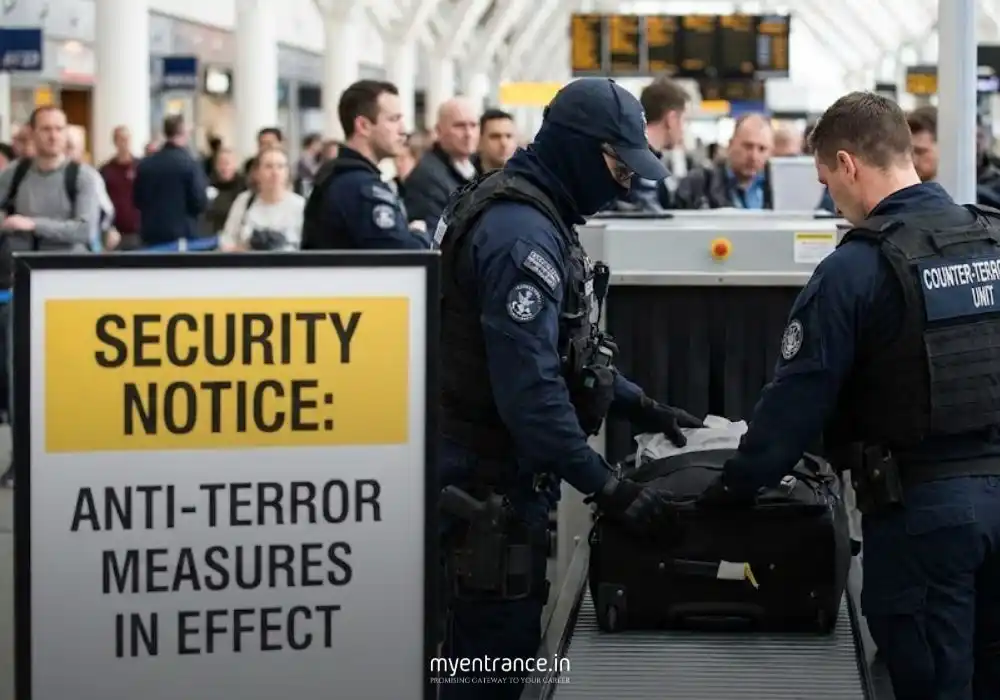
On December 24, 2025, India took a monumental step towards fortifying its national security with the unveiling of its first comprehensive National Anti-Terror Policy. This landmark initiative signifies a profound paradigm shift in the nation’s approach to combating terrorism, moving decisively from a largely reactive stance to a proactive, prevention-oriented strategy. The policy’s announcement has generated significant discourse across strategic and security circles, underscoring its immense relevance for India’s geopolitical standing and internal stability, particularly in the context of persistent and evolving global terrorist threats.
Why the Policy Emerged: A New Strategic Imperative
The impetus behind formulating this dedicated national policy stems from a recognition that existing frameworks, while effective in certain aspects, were often piecemeal and lacked a unified, overarching strategic vision. The world has witnessed a dynamic evolution of terror threats, compelling nations to adapt and innovate their counter-terrorism measures. For India, a country consistently at the forefront of tackling both state-sponsored and ideologically driven terrorism, the need for a singular, integrated policy framework was paramount. This strategic imperative arose from a confluence of factors, including the increasing sophistication of terror modules, their exploitation of modern technology, and the complex web of cross-border illicit activities that fuel their operations. The government acknowledged that a fragmented approach could no longer adequately address the multi-dimensional nature of contemporary terrorism.
Understanding the ‘What’: Core Tenets and Shift in Approach
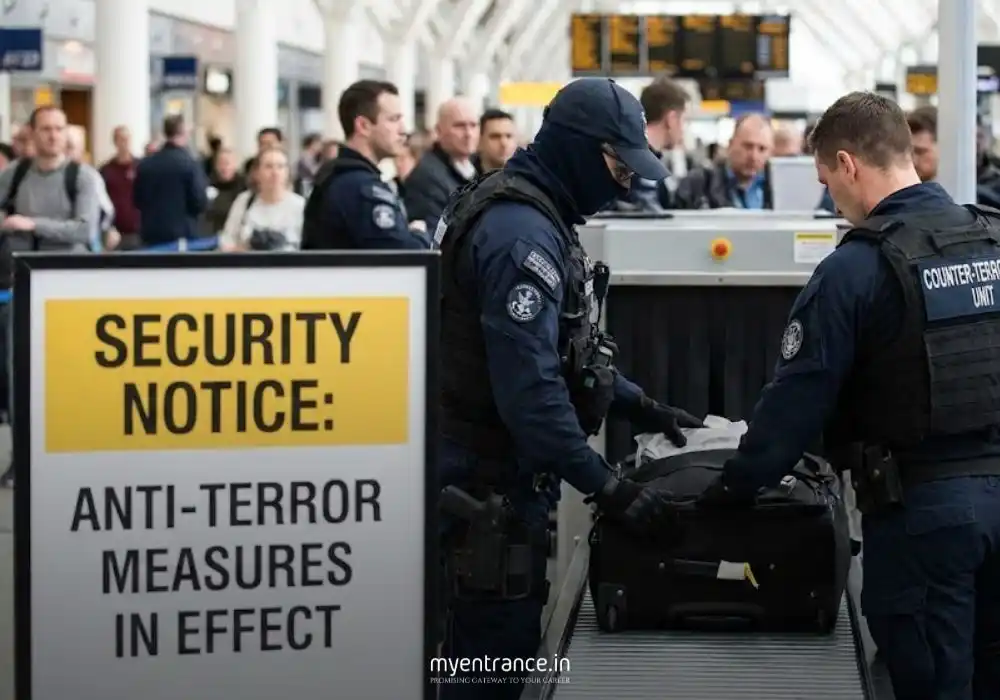
At its core, India’s First National Anti-Terror Policy is a holistic blueprint designed to anticipate, identify, disrupt, and ultimately prevent terrorist activities across the country. Its primary objective is to create a robust, resilient, and responsive security apparatus capable of mitigating both traditional and emergent threats. Unlike previous approaches which often focused on post-incident response and investigation, this new policy fundamentally reorients the national strategy towards prevention. It aims to tackle terrorism at its roots, addressing the ideological, financial, and logistical conduits that allow it to fester. The policy endeavors to foster greater synergy among various central and state agencies, ensuring a cohesive and coordinated national response. It outlines a clear vision for intelligence sharing, operational coordination, and resource allocation, all geared towards creating an impenetrable defense against terrorism.
The ‘Threat Matrix’: Key Challenges Driving the Policy
The policy is meticulously crafted around a comprehensive assessment of the most critical threat vectors currently facing the nation. Understanding these drivers is crucial to appreciating the policy’s design and intent.
Digital Radicalisation: The Invisible Front
One of the highest priority concerns addressed by the policy is digital radicalisation. The internet, social media platforms, and encrypted messaging applications have become potent tools for terrorist organizations to spread propaganda, recruit new members, indoctrinate vulnerable individuals, and even coordinate attacks. This digital front presents a unique challenge, as it transcends geographical boundaries and allows radical ideologies to infiltrate homes and minds with unprecedented speed and stealth. The policy acknowledges the urgency of countering online extremism by developing advanced monitoring capabilities, fostering counter-narratives, and collaborating with tech companies to identify and remove malicious content.
Foreign-Funded Conversion & Radicalisation Networks: Subverting from Within
Another significant threat driving this policy is the insidious network of foreign-funded conversion and radicalisation initiatives. These networks often operate under the guise of charitable organizations or cultural groups, subtly promoting divisive ideologies, inciting communal disharmony, and fostering radical views within specific communities. Their goal is often to create a pool of disaffected individuals susceptible to extremist recruitment, thereby destabilizing the social fabric from within. The policy aims to rigorously track, investigate, and dismantle these clandestine networks by tightening regulations on foreign funding, enhancing intelligence gathering on such entities, and promoting community resilience against such subversion.
Open Borders: The Nepal Corridor Vulnerability
India’s porous borders, particularly the relatively open Nepal corridor, have historically been exploited by terrorist groups for infiltration, smuggling of arms and narcotics, and movement of operatives. This vulnerability allows undesirable elements to enter the country undetected, posing a significant challenge to national security. The new policy places a strong emphasis on strengthening border management, enhancing surveillance technologies along these sensitive stretches, and fostering closer intelligence cooperation with neighboring countries. The objective is to seal off these conduits, making it exceedingly difficult for terrorists to use them as entry or exit points.
Aadhaar Spoofing & Identity Fraud: A Cover for Illicit Operations
The misuse of identity documents, especially through Aadhaar spoofing and other forms of identity fraud, has emerged as a grave concern. Terrorist operatives often rely on forged identities to evade detection, secure accommodation, open bank accounts, and conduct various illicit operations without leaving a traceable footprint. This allows them to blend into the general population and operate under a cloak of anonymity. The policy includes provisions to bolster identity verification mechanisms, strengthen databases, introduce advanced biometric authentication processes, and enhance the legal framework to swiftly prosecute those involved in identity fraud for terror-related activities.
The ‘How’: Institutional Framework and Technological Prowess
Implementing a policy of such magnitude requires a robust institutional architecture and a cutting-edge technological backbone. The policy outlines a multi-pronged approach to ensure its effective execution.
Integrated Architecture: Core Agencies at Play
The institutional framework being integrated involves a seamless collaboration among key agencies at both the central and state levels. This includes the National Investigation Agency (NIA), Intelligence Bureau (IB), Research and Analysis Wing (RAW), National Technical Research Organisation (NTRO), State Police Forces, and other relevant security and intelligence organizations. The policy mandates the creation of a centralized command and control structure to ensure real-time intelligence sharing, coordinated operations, and unified decision-making. Special emphasis is placed on developing specialized counter-terrorism units within state police forces and enhancing their training and equipment. The goal is to break down silos and foster a culture of collective responsibility and synergistic action across the entire security apparatus.
The Technological Backbone: AI, Data, and Predictive Power
Central to the success of this forward-looking policy is a robust technological backbone. India plans to leverage artificial intelligence (AI), machine learning (ML), big data analytics, and advanced cyber forensics to enhance its counter-terrorism capabilities. This includes developing sophisticated algorithms for predictive intelligence, which can analyze vast amounts of data to identify potential threats before they materialize. Furthermore, the policy emphasizes strengthening cyber-security infrastructure to protect critical national assets and developing advanced surveillance tools that comply with privacy regulations. The aim is to build a smart security system that can detect subtle patterns, track suspicious activities, and provide actionable intelligence to ground forces, thereby enabling a truly proactive prevention strategy.
This comprehensive National Anti-Terror Policy marks a pivotal moment in India’s fight against terrorism. By addressing core vulnerabilities, harnessing technological advancements, and fostering unprecedented inter-agency cooperation, India is poised to create a formidable defense mechanism, ensuring the safety and security of its citizens and its strategic interests well into the future. The policy embodies a clear vision for a secure nation, prepared to face the complex challenges of the 21st century with unwavering resolve and strategic foresight.
Frequently Asked Questions (FAQs)
1. What is the primary objective of India’s First National Anti-Terror Policy?
The primary objective of this landmark policy is to transform India’s approach to counter-terrorism from a largely reactive post-incident response to a proactive, prevention-oriented strategy. It aims to anticipate, identify, disrupt, and ultimately prevent terrorist activities by addressing their root causes and operational mechanisms.
2. When was this National Anti-Terror Policy officially unveiled?
India’s First National Anti-Terror Policy was officially unveiled on December 24, 2025, marking a significant date in the nation’s strategic security landscape.
3. What are the key threat vectors that particularly influenced the formulation of this new policy?
The policy was primarily driven by evolving threats such as widespread digital radicalisation, the proliferation of foreign-funded conversion and radicalisation networks, the exploitation of open borders (especially the Nepal corridor), and the growing misuse of Aadhaar spoofing and identity fraud by terror operatives.
4. How does the new policy plan to enhance coordination among various security agencies?
The policy mandates the integration of institutional architecture involving core agencies like NIA, IB, RAW, NTRO, and State Police Forces. It emphasizes creating a centralized command and control structure to facilitate real-time intelligence sharing, coordinated operations, and unified decision-making, thereby breaking down operational silos.
5. What role does technology play in the implementation of this National Anti-Terror Policy?
Technology forms a critical backbone of the new policy, with plans to leverage artificial intelligence (AI), machine learning (ML), big data analytics, and advanced cyber forensics. These technologies will be used for predictive intelligence, developing sophisticated surveillance tools, enhancing cyber-security, and improving the overall ability to detect and track potential threats proactively.





