
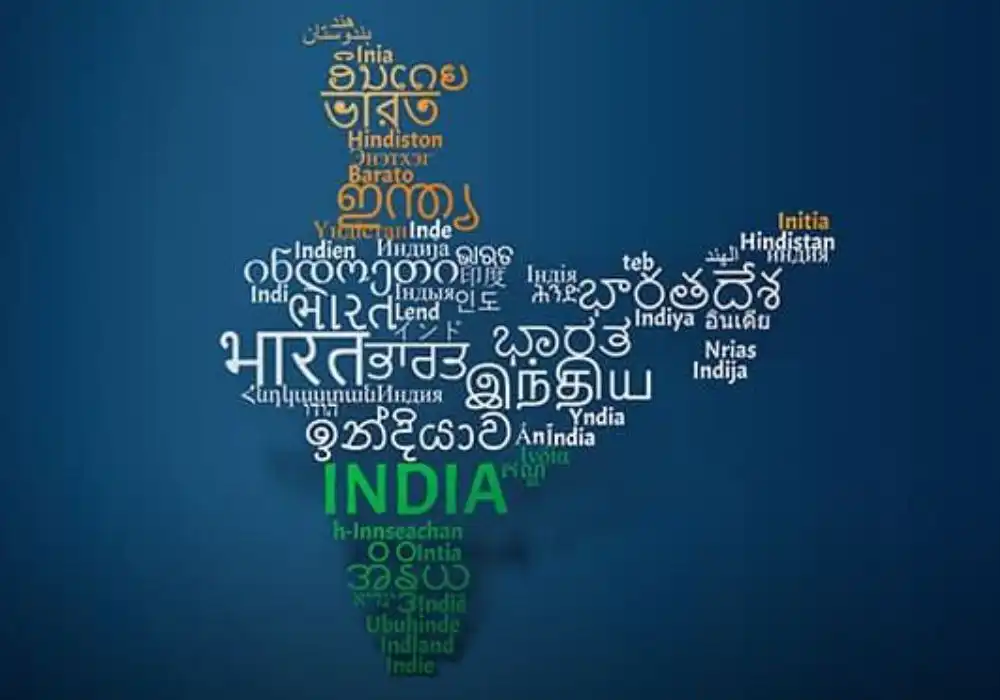
India, a land celebrated for its incredible diversity, finds one of its most vibrant expressions in its multitude of languages. Understanding this rich linguistic tapestry is not just about appreciating culture; it’s a critical component of general knowledge and current affairs for anyone preparing for competitive examinations such as UPSC, SSC, PSC, NID, NIFT, and various other government service tests. Recently, a significant event illuminated the ongoing dialogue surrounding India’s linguistic future, offering valuable insights for aspiring candidates. Our daily current events quiz for psc exams is tailored for state-level preparations.
The Vision for Linguistic Coexistence: Why Flexibility and Respect Matter
Union Home Minister Amit Shah’s address at the 5th All India Rajbhasha Sammelan highlighted a crucial aspect of India’s linguistic policy: the imperative for Hindi to evolve with time and to foster a harmonious coexistence with all regional languages. This vision isn’t about dominance but about collaboration, aiming to strengthen national unity through mutual respect. The core message emphasizes that while Hindi serves as an official language facilitating nationwide communication, the unique beauty and heritage embedded in every mother tongue must be cherished and preserved. Why is this important? Because linguistic diversity is a pillar of India’s identity, and a policy of inclusive growth for all languages ensures that no cultural group feels marginalized, ultimately strengthening the social fabric of the nation. For exam aspirants, grasping this nuanced perspective on linguistic policy is vital for answering questions on Indian polity, culture, and current events.
The Occasion: Hindi Day and the All India Rajbhasha Sammelan
The significant pronouncements were made during the inauguration of Hindi Day celebrations, coinciding with the 5th All India Rajbhasha Sammelan. This important event took place at the Mahatma Mandir in Gandhinagar, a fitting venue for discussions on national unity and cultural heritage. Hindi Day, observed annually, commemorates the adoption of Hindi as an official language of the Union. The All India Rajbhasha Sammelan serves as a crucial platform where stakeholders discuss the promotion and implementation of Hindi as an official language, while also addressing challenges and opportunities in a multilingual country. Understanding the ‘what’ and ‘where’ of such events provides direct answers for current affairs questions, while the ‘when’ (Hindi Day) offers a key static GK fact. These gatherings underscore the government’s commitment to striking a balance between promoting Hindi and respecting the constitutional status and vibrancy of other Indian languages.
How This Topic Shapes Your Exam Readiness
For candidates targeting prestigious examinations like UPSC Civil Services, SSC CGL, various State PSCs, or design entrance exams like NID and NIFT which often include a general knowledge component, this topic holds immense relevance. Firstly, it forms a direct part of Current Affairs, as it’s a recent and significant government initiative. Secondly, it dives deep into Static General Knowledge, touching upon constitutional provisions related to official languages (Articles 343 to 351), the concept of Rajbhasha versus National Language, and the historical context of language policies in India. Thirdly, the discussion on linguistic diversity and national integration provides excellent material for Essay Writing and Interview Preparation, allowing candidates to articulate a well-rounded and informed viewpoint on sensitive national issues. Knowing the ‘how’ – how these policies are discussed and implemented – equips you with a deeper understanding required for analytical questions. Preparing with resources from myentrance.in ensures you connect such current developments with their broader historical and constitutional frameworks.
Decoding ‘Rajbhasha’: More Than Just a Language
The term ‘Rajbhasha’ translates to ‘Official Language’. In the Indian context, as per Article 343 of the Constitution, Hindi in Devanagari script is the official language of the Union, alongside English, which also continues to be used for official purposes. It is crucial to distinguish ‘Rajbhasha’ from ‘National Language’, as India does not have a single national language. The Constitution recognizes 22 languages as official languages in its Eighth Schedule, reflecting the country’s unparalleled linguistic diversity. Minister Shah’s call to respect one’s mother tongue while supporting Hindi reinforces this constitutional spirit of multilingualism. The emphasis is on fostering an environment where all languages thrive, contributing to a truly inclusive national identity. This deeper dive into the ‘what’ and ‘why’ behind ‘Rajbhasha’ is fundamental for any serious exam aspirant. Discover how to maximize your score with last-minute studying by focusing on high-yield topics.
Frequently Asked Questions (FAQs)
Q1: What is the significance of Hindi Day, and when is it celebrated?
A1: Hindi Day, or Hindi Diwas, is celebrated on September 14th each year. It commemorates the day in 1949 when the Constituent Assembly of India adopted Hindi in the Devanagari script as the official language of the Union. The day aims to promote and propagate the Hindi language.
Q2: What does “Rajbhasha” mean in the Indian context, and how is it different from a “National Language”?
A2: “Rajbhasha” means ‘Official Language’ in India. As per the Constitution, Hindi (in Devanagari script) is the official language of the Union, along with English. It is distinct from a “National Language” because India does not have a single national language. The Constitution recognizes 22 official languages in its Eighth Schedule, reflecting the country’s linguistic diversity.
Q3: Why did Union Home Minister Amit Shah emphasize the need for Hindi to be more flexible and coexist with regional languages?
A3: Minister Shah’s emphasis was to promote national unity and cultural inclusivity. By advocating for Hindi’s flexibility and its coexistence with regional languages, he underscored the importance of respecting India’s rich linguistic diversity while facilitating effective communication across the nation. This approach helps in preventing linguistic friction and fosters a sense of belonging for all citizens.
Q4: How does the topic of linguistic harmony and official languages relate to competitive exams like UPSC, SSC, or PSC?
A4: This topic is highly relevant for competitive exams as it covers Current Affairs (recent events like the Rajbhasha Sammelan), Static General Knowledge (Constitutional provisions on official languages, linguistic diversity), and can be a subject for Essay Writing or Interview discussions on national integration, cultural policy, and governance. Understanding these nuances helps in providing comprehensive and informed answers.
Q5: What are the constitutional provisions in India regarding official languages?
A5: Articles 343 to 351 in Part XVII of the Indian Constitution deal with official languages. Article 343 declares Hindi in Devanagari script as the official language of the Union. Article 344 provides for a Committee and Commission on official language. Article 345 empowers states to adopt any one or more of the languages used in the state as their official language. The Eighth Schedule of the Constitution lists 22 languages recognized as official languages.





