
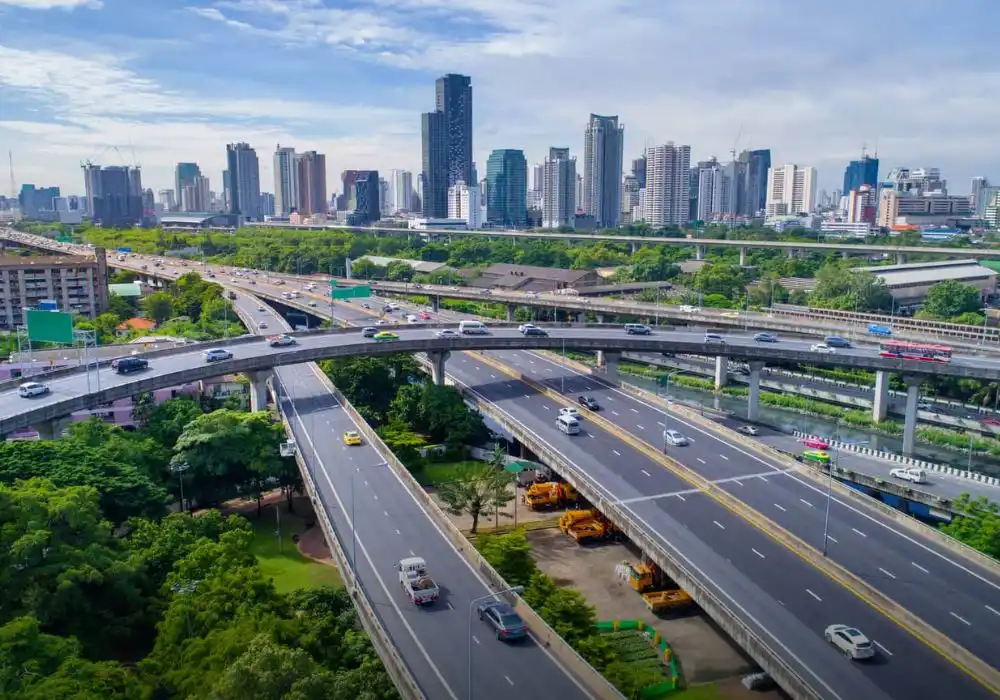
India, a nation on a rapid path of development, faces a unique challenge that often goes unnoticed: many of its burgeoning towns are silently struggling under an outdated identity. As you prepare for competitive examinations like UPSC, SSC, or state PSCs, understanding such critical contemporary issues is paramount. This discussion delves into why India’s current definition of “urban” is failing its growing towns and what this means for governance, infrastructure, and the very fabric of our society.
The Defining Challenge: When Reality Outpaces Records
At the heart of this issue lies the Registrar General of India’s proposal to retain the 2011 Census definition of urban areas for the upcoming Census 2027. While seemingly a technicality, this decision carries profound implications. India’s urban landscape has undergone a dramatic transformation in the last decade. Many settlements, once rural, have swelled in population, seen a shift in economic activity from agriculture to services and industry, and developed infrastructure characteristic of urban centers. Yet, according to the current rigid criteria – primarily based on population size, density, and the percentage of male working population engaged in non-agricultural pursuits – these dynamic areas remain officially classified as rural. This creates a significant mismatch between lived reality and statistical representation.
Why This Mismatch Matters: A Cascade of Consequences
The misclassification of genuinely urbanizing areas as rural is not merely an administrative oversight; it has far-reaching consequences across multiple dimensions:
1. Governance and Administration: The first casualty of an outdated definition is effective governance. Urban local bodies (municipalities, corporations) are structured and funded differently from rural panchayats. When a densely populated, economically diverse town is still governed by a rural panchayat, it lacks the administrative capacity, specialized departments, and legal frameworks necessary to manage urban challenges like waste disposal, traffic, and urban planning. This can lead to chaotic development, administrative paralysis, and a disconnect between the local government and the needs of its constituents.
2. Infrastructure and Resource Allocation: Imagine a town with thousands of residents, bustling markets, and daily commuters, still receiving funding and planning based on rural parameters. This scenario directly impacts the provision of essential services. Urban infrastructure, such as piped water supply, sewerage networks, efficient public transport, specialized healthcare facilities, and adequate housing, requires significant investment and tailored planning. If an area is not officially recognized as urban, it often misses out on urban development schemes, grants, and specialized funds allocated by central and state governments for city growth. This leads to a severe deficit in public services, impacting quality of life and hindering economic potential.
3. Economic and Social Equity: Misclassification also has a direct bearing on the economic opportunities and social equity for residents. Urban areas generally offer better access to education, healthcare, and diversified employment opportunities. When areas that have transitioned economically are still labeled rural, their residents may not benefit from urban-centric welfare schemes, skill development programs, or entrepreneurial support. Furthermore, property rights, land use regulations, and social security nets can differ significantly between urban and rural designations, potentially disadvantaging a population living an urban life but governed by rural rules. This perpetuates inequalities and can stifle true inclusive development.
4. Data Accuracy and Policy Blind Spots: For a country as vast and diverse as India, accurate data is the bedrock of effective policymaking. If a significant portion of its urbanizing population is being counted as rural, national and state-level policies aimed at urban planning, poverty reduction, environmental protection, or economic growth could be fundamentally flawed. Policymakers might underestimate the scale of urbanization, misallocate resources, and fail to anticipate future challenges, creating crucial blind spots in national development strategies.
The Way Forward: Towards a Dynamic Urban Identity for Census 2027
To truly harness India’s demographic dividend and ensure sustainable development, a re-evaluation of the urban definition is not just important, it is urgent. For Census 2027, adopting a more dynamic, multi-dimensional definition that moves beyond mere population count is essential. This could involve incorporating factors like economic activity composition, infrastructure development levels, connectivity, and the nature of social services available. Such a comprehensive approach would ensure that rapidly urbanizing settlements are accurately identified, enabling appropriate governance structures, targeted resource allocation, and responsive policy-making. This critical reform would lay the groundwork for a more equitable, efficient, and prosperous urban India.
Frequently Asked Questions (FAQs)
Q1: What is the primary issue with India’s current urban definition for growing towns?
A1: The main issue is that India’s current definition, largely based on the 2011 Census criteria of population size, density, and percentage of non-agricultural male workforce, is outdated. It fails to recognize many rapidly growing settlements that have functionally become urban but are still classified as rural, leading to a significant mismatch between their actual status and official designation.
Q2: How does misclassifying a town as rural impact its infrastructure development?
A2: When a functionally urban area is officially rural, it often misses out on urban-specific development schemes, funds, and planning tailored for cities. This leads to a severe lack of essential urban infrastructure like proper water supply, sanitation, public transport, and housing, which rural grants are not designed to address.
Q3: What are the consequences for governance if a growing town remains classified as rural?
A3: A misclassified town will typically remain under a rural panchayat system, which lacks the administrative capacity, specialized departments, and financial resources needed to manage complex urban challenges. This can result in poor service delivery, unplanned growth, and an inability to address the unique needs of an urbanizing population.
Q4: Why is this topic important for competitive exams like UPSC or SSC?
A4: This topic is crucial for competitive exams as it touches upon critical areas like Indian geography, economy, public administration, governance, and current affairs. Questions on urbanization, census data, policy challenges, and social equity are common, making an understanding of this issue vital for both objective and descriptive papers.
Q5: What could be a better approach to define urban areas in India for future censuses?
A5: A more effective approach would be to adopt a dynamic, multi-faceted definition. This could involve considering a broader range of indicators beyond just population and density, such as the share of non-agricultural economic activity, availability of essential urban services (e.g., banking, hospitals, higher education), level of infrastructure development, and integration into metropolitan economic regions.





