
India’s Energy Ambition Takes Center Stage
India is on the cusp of a remarkable transformation in its energy landscape, setting ambitious goals to significantly expand its clean energy capabilities. This strategic shift is not only crucial for the nation’s sustainable growth but also for its role in global climate action. Union Commerce and Industry Minister Piyush Goyal recently highlighted India’s prime position to accelerate its clean energy expansion over the coming five years, emphasizing a clear vision for a greener, more resilient future. This proactive approach underlines India’s commitment to reducing its carbon footprint while simultaneously bolstering its energy security and fostering economic development. You can stay ahead with our gk exam updates delivered straight to you.
What’s the Big Picture? India’s Clean Energy Goals
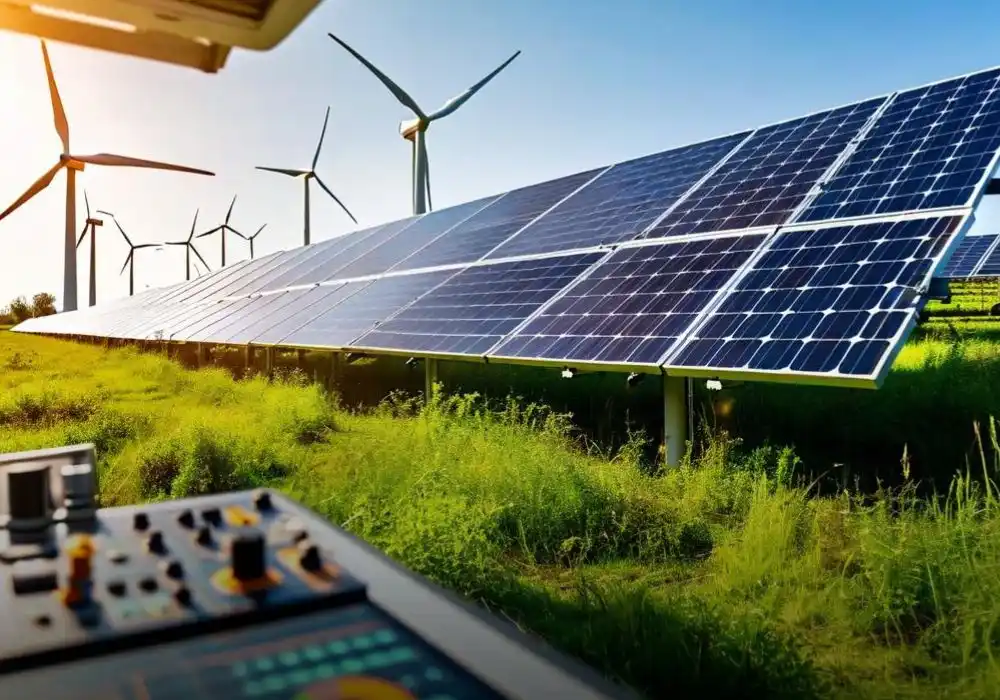
At the heart of this national endeavor is a bold target: to nearly double India’s clean energy capacity from its current level of over 250 Gigawatts (GW) to an impressive 550 GW within the next half-decade. This substantial leap involves a concerted effort to harness various renewable sources, predominantly solar and wind power, which are abundant across the country. The transition towards such a massive scale of clean energy generation signifies a paradigm shift from traditional fossil fuels, aiming for a more sustainable and environmentally friendly power matrix. This aggressive expansion is more than just an increase in numbers; it represents a fundamental re-engineering of how India powers its growing economy and meets the needs of its vast population.
Why This Shift Matters: Benefits for India and Beyond
The imperative behind India’s intensified focus on clean energy is multifaceted, addressing critical national and global objectives. Primarily, it underpins India’s commitment to combating climate change by drastically reducing greenhouse gas emissions. A cleaner energy mix translates into improved air quality, healthier communities, and a more sustainable environment for future generations. Economically, this expansion creates tremendous opportunities. It stimulates investment in renewable energy infrastructure, fosters innovation in green technologies, and generates a vast number of new jobs across the manufacturing, installation, and maintenance sectors. Furthermore, greater reliance on indigenous clean energy sources enhances India’s energy independence, reducing its vulnerability to volatile international oil and gas prices and ensuring a stable and affordable energy supply for its industries and citizens. This strategic move also positions India as a leader in the global clean energy transition, demonstrating a scalable model for other developing nations.
How India Plans to Achieve It: Strategy and Partnerships
Achieving such an ambitious target requires robust strategies and strong international collaborations. A key element in India’s plan is fostering strategic partnerships, notably with countries like the United States. Minister Goyal’s discussions at the US-India Strategic Partnership Forum in New York underscored the mutual interest in strengthening energy trade and technological cooperation between the two nations. This partnership involves not only the exchange of renewable energy technologies and best practices but also collaborative efforts in research and development, investment in green projects, and policy alignment to facilitate easier trade in energy products and services. Government initiatives, supportive policies, and incentives for renewable energy projects are also vital components, attracting both domestic and foreign investment to drive this growth. By integrating global expertise and capital, India aims to accelerate its clean energy deployment and build a resilient energy ecosystem.
When and Where: The Timeline and Global Impact
The timeframe for this monumental energy expansion is set within the next five years, indicating a focused and urgent national priority. This rapid transition will have far-reaching implications, not just within India’s borders but also on the global stage. Domestically, it will empower remote areas with reliable electricity, support industrial growth with sustainable power, and improve the overall quality of life. Globally, India’s success in scaling up clean energy will serve as a powerful example and contribute significantly to global climate targets. The increase in energy trade with the US, driven by clean energy technologies and products, also highlights a growing economic alliance based on shared sustainability goals. This period will witness India cementing its position as a major player in the global renewable energy market, driving innovation and investment towards a more sustainable planet. Sharpen your skills with these current affairs practice questions updated daily.
Frequently Asked Questions (FAQs)
Q1: What is the core ambition behind India’s clean energy push?
A1: India’s primary ambition is to dramatically increase its clean energy capacity from over 250 Gigawatts to 550 Gigawatts within the next five years, moving towards a more sustainable and energy-independent future.
Q2: Why is India prioritizing clean energy over traditional sources?
A2: India is prioritizing clean energy to combat climate change, reduce its carbon emissions, enhance energy security by lessening reliance on fossil fuel imports, create new economic opportunities and jobs, and improve public health through cleaner air.
Q3: How does the partnership with the US contribute to India’s clean energy goals?
A3: The partnership with the US is crucial for strengthening energy trade, facilitating technology transfer, promoting investment in renewable energy projects, and fostering collaborative research and development to accelerate India’s clean energy transition.
Q4: What specific types of clean energy sources are being focused on for this expansion?
A4: While not exclusively mentioned in the immediate context, India’s clean energy expansion primarily focuses on harnessing renewable sources such as solar power, wind energy, and other sustainable alternatives.
Q5: What are the broader benefits of this clean energy expansion for the Indian economy and its citizens?
A5: This expansion is expected to boost economic growth through job creation in green sectors, attract significant investments, reduce energy costs in the long run, ensure a stable power supply for industries, and contribute to a healthier environment for all citizens.





