
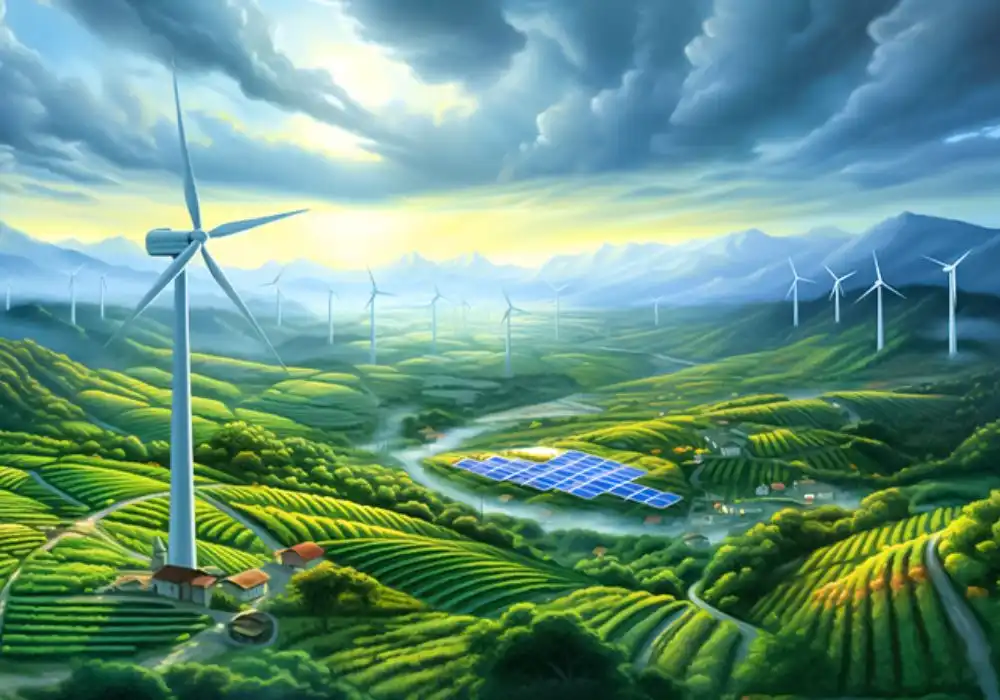
India is currently undergoing an extraordinary transformation in its energy landscape, a shift that is not only reshaping the nation’s future but also becoming a critical area of focus for aspirants targeting various government examinations. Since 2014, the country’s renewable energy capacity has witnessed an astounding fivefold increase, soaring from just 35 gigawatts to an impressive figure of over 197 gigawatts. This remarkable growth excludes the power generated by large hydropower facilities, highlighting a dedicated focus on other green energy sources. This significant expansion positions India as a global leader in sustainable energy development, a narrative that demands careful understanding for anyone preparing for competitive exams like UPSC, SSC, PSC, NID, NIFT, and other government roles.
Why This Energy Revolution Matters for Your Examinations
Understanding India’s renewable energy journey is not just about staying informed; it’s a strategic advantage for your exam preparation.
Current Affairs & Daily News Quizzes: This topic is a perennial favorite in current affairs sections. From government policies and international agreements to new project launches and technological advancements, the renewable energy sector generates daily news that examiners frequently draw upon. Expect questions in your daily news quiz on myentrance.in that test your knowledge of recent developments, capacity figures, and policy changes.
Static General Knowledge: Beyond the daily updates, there’s a strong foundation of static general knowledge related to renewable energy. This includes understanding different types of renewable sources (solar, wind, biomass, hydro), their fundamental principles, key government bodies like the Ministry of New and Renewable Energy (MNRE), and historical milestones in India’s energy policy. Questions might delve into the basic science behind a solar panel or the geographical distribution of wind farms in India.
UPSC, SSC, PSC Relevance: For more advanced exams, the topic goes deeper.
* Prelims (Objective Type): You can anticipate direct factual questions on India’s current renewable energy capacity, specific targets (like the 500 GW goal), major schemes, and international collaborations.
* Mains (Descriptive Type): This is where a comprehensive understanding shines. Renewable energy is a vital component of General Studies Paper 3 (Economy, Environment, Science & Technology) for UPSC and essay papers across various exams. You might be asked to analyze the economic benefits, environmental implications, challenges of grid integration, India’s role in climate change mitigation, or the impact on energy security. It provides excellent material for essays on sustainable development, India’s international commitments, and green jobs.
* Interviews: Being able to articulate India’s renewable energy strategy, its challenges, and its role in global climate action showcases a well-informed and analytical mind, a crucial attribute for any government role.
Even for design-oriented exams like NID and NIFT, an awareness of environmental consciousness and sustainable practices, which are intrinsically linked to renewable energy, reflects a broader, responsible perspective.
Understanding India’s Ambitious Renewable Energy Goals
The “What”: The Ministry of New and Renewable Energy has set an incredibly ambitious goal: to achieve 500 gigawatts of non-fossil fuel-based energy capacity by 2030. This target signifies a strong national commitment to transition away from traditional fossil fuels towards cleaner, sustainable sources.
The “Why”: This monumental target is driven by multiple objectives. Firstly, it addresses India’s growing energy demand in a sustainable manner, enhancing energy security and reducing dependence on imported fossil fuels. Secondly, it plays a crucial role in India’s commitment to combat climate change and reduce carbon emissions, aligning with international agreements like the Paris Agreement. Thirdly, it fosters economic growth by attracting investments, creating new industries, and generating significant employment opportunities in manufacturing, installation, and maintenance sectors.
The “How”: India is pursuing this target through a multi-pronged strategy. This includes robust policy frameworks, attractive incentive schemes for renewable energy developers, competitive bidding processes, and significant investments in research and development. International collaborations, such as the International Solar Alliance (ISA) spearheaded by India, also play a crucial role in mobilizing global efforts and resources for solar energy expansion.
Key Pillars of Growth: Solar, Wind, and Beyond
The impressive surge in India’s renewable energy capacity has been primarily propelled by rapid advancements in solar and wind power. Large-scale solar parks, rooftop solar installations, and significant investments in wind energy projects across various states have been instrumental. Bio-energy and small hydropower also contribute to this diversified energy mix. The focus remains on leveraging India’s abundant natural resources to create a resilient, clean, and self-sufficient energy system.
Preparing for Success with myentrance.in
To truly master this evolving and vital topic for your upcoming examinations, myentrance.in is your ultimate preparation partner. We provide meticulously curated current affairs updates, comprehensive static general knowledge modules, engaging daily news quizzes to test your immediate recall, and interactive examination practice tailored for UPSC, SSC, PSC, NID, NIFT, and other government exams. Our resources are designed to help you understand the “why,” “what,” “where,” “when,” and “how” of India’s renewable energy saga, ensuring you are thoroughly equipped to tackle any question an examiner might pose. Join us to transform complex energy statistics into confident answers that power your success.
Frequently Asked Questions (FAQs)
1. What is India’s current renewable energy capacity (excluding large hydro), and how has it changed recently?
India’s renewable energy capacity, excluding large hydropower, has surged to over 197 gigawatts. This represents a more than fivefold increase from 35 gigawatts in 2014, showcasing a rapid and significant growth in the sector.
2. What is India’s ambitious target for non-fossil fuel-based energy capacity, and by when does it aim to achieve it?
The Indian government has set an ambitious goal to achieve 500 gigawatts of non-fossil fuel-based energy capacity by the year 2030. This target underscores the nation’s commitment to sustainable energy transition.
3. Why is understanding India’s renewable energy sector crucial for competitive exam aspirants?
This topic is vital for competitive exams because it frequently appears in current affairs, general knowledge, and environmental studies sections. For exams like UPSC and SSC, it forms a significant part of General Studies papers, essay questions, and interview discussions, covering aspects of economy, environment, technology, and policy.
4. Which specific renewable energy sources are primarily driving India’s capacity growth?
Solar and wind energy are the dominant forces driving India’s remarkable growth in renewable energy capacity. Significant investments and policy support have led to the rapid expansion of both these sectors across the country.
5. How does myentrance.in help students prepare for questions on topics like renewable energy for their competitive exams?
myentrance.in offers a comprehensive suite of resources, including daily news quizzes, detailed current affairs analyses, static general knowledge modules, and interactive practice examinations. These tools are specifically designed to keep aspirants updated and well-prepared for any question related to India’s dynamic renewable energy landscape in UPSC, SSC, PSC, NID, NIFT, and other government exams.





