
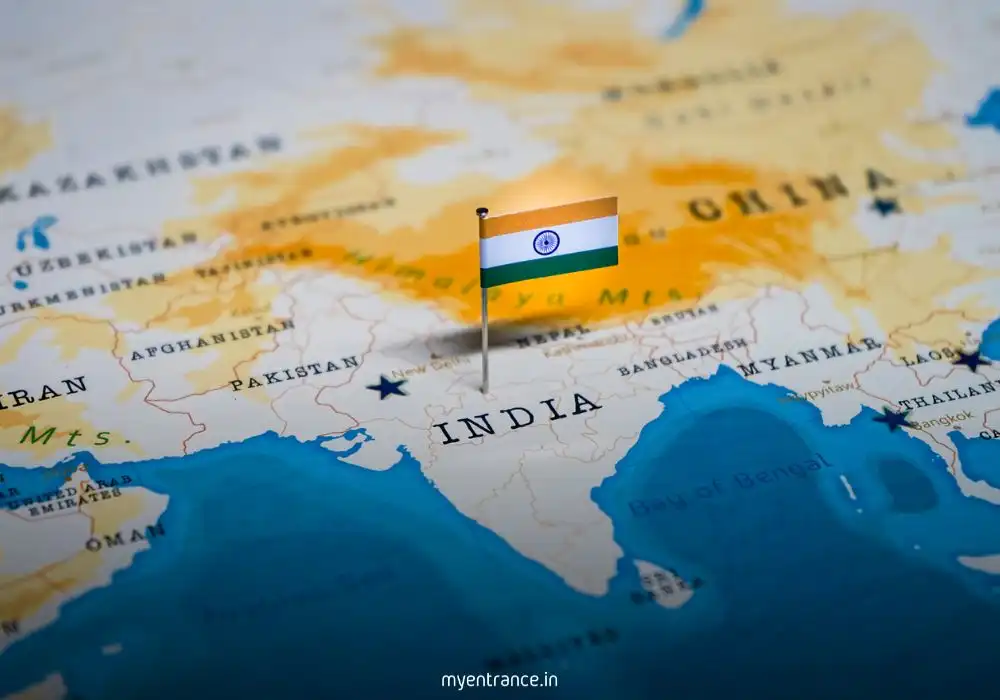
India’s journey towards becoming a developed nation is a topic of immense importance, not just for policymakers but for every aspiring professional aiming for government service. Recently, Union Minister for Commerce and Industry, Piyush Goyal, articulated a compelling vision for India’s global engagement, emphasizing a strategic approach to international partnerships. This statement isn’t merely a headline; it’s a critical piece of the puzzle for understanding India’s economic diplomacy, foreign policy, and long-term growth strategy – all essential knowledge for exams like UPSC, SSC, PSC, and more. Let’s delve deeper into the ‘why,’ ‘what,’ and ‘how’ of this pivotal declaration. Ensure you’ve covered everything with our final hour exam preparation checklist.
India’s Global Aspirations: A Strategic Vision
The core message from Minister Goyal underscores India’s unwavering commitment to ascending to the ranks of developed nations. This ambition is not an isolated aspiration but is deeply intertwined with a proactive foreign and economic policy. India recognizes that achieving sustainable, inclusive growth requires more than just domestic efforts; it necessitates robust, mutually beneficial international collaborations. The emphasis on becoming a “developed world” signifies a comprehensive national agenda that includes economic prosperity, technological advancement, social progress, and a stronger voice on the global stage. For your competitive exams, understanding this overarching national goal is paramount as it forms the bedrock for many policy decisions and initiatives, making it a recurring theme in current affairs and general knowledge sections.
The Blueprint for Enduring Partnerships
The statement specifically highlights India’s desire to forge partnerships with “friendly countries” and those with “aligned interests.” This isn’t a call for broad, unfocused engagement, but rather a strategic selection of nations where shared values and objectives can lead to genuinely “enduring, sustainable, and win-win” relationships. Such partnerships are envisioned to transcend mere trade deals, extending into areas of technology transfer, investment, climate action, research and development, and even security cooperation. The concept of “win-win” is crucial, signifying a departure from traditional donor-recipient dynamics towards equitable collaboration that benefits all parties involved. Aspiring civil servants should note how this nuanced approach shapes India’s bilateral and multilateral engagements, influencing trade agreements, geopolitical alliances, and its role in global forums. These insights are invaluable for essay writing and interview rounds in prestigious examinations. Challenge yourself with our daily news quiz for upsc and ssc to test your awareness.
Decoding the Impact for Aspiring Professionals
For anyone preparing for government exams, this statement offers a rich vein of information to explore. It touches upon various subjects critical for success:
Current Affairs: This is a direct current affairs topic. Stay updated on which countries India is actively engaging with and the outcomes of such partnerships.
Indian Economy: Understand how these partnerships contribute to India’s GDP growth, trade balance, investment climate, and employment generation.
International Relations: Analyze India’s foreign policy objectives, its standing in the global order, and its role in shaping international economic norms.
General Knowledge: Familiarize yourself with key ministerial statements and their implications for national policy.
Essay Writing: This theme can be a powerful foundation for essays on India’s global role, economic future, or sustainable development challenges.
MyEntrance.in provides daily news quizzes and comprehensive current affairs analyses that help you break down such complex topics into easily digestible and exam-ready information. Understanding the ‘why’ behind policy statements like this ensures you don’t just memorize facts but truly grasp their significance for your interactive examinations and general awareness.
Key Takeaways for Examination Success
To excel in your upcoming examinations, consider the following points when studying this topic:
* Contextualize: Always relate ministerial statements to India’s broader economic and political goals.
* Identify Key Terms: Understand terms like “sustainable growth,” “win-win partnerships,” and “developed world” in the context of India’s policies.
* Analyze Implications: Think about the potential economic, social, and geopolitical implications of such partnerships.
* Connect to Syllabus: See how this news item connects to various parts of your syllabus – be it economics, international relations, or governance.
* Formulate Your Opinion: Develop a balanced perspective on the opportunities and challenges associated with India’s global ambitions for essay and interview preparation.
By approaching news like this with an analytical mindset, you transform mere information into valuable knowledge, giving you a competitive edge in exams like UPSC, SSC, PSC, NID, NIFT, and other government entrance tests.
Frequently Asked Questions (FAQs)
Q1: Why is India particularly focused on “friendly nations” and “aligned interests” for partnerships?
A1: India’s focus on friendly nations and aligned interests stems from a strategic approach to ensure long-term, stable, and mutually beneficial relationships. Such partnerships minimize potential conflicts, foster trust, and create a more conducive environment for cooperation on complex global challenges, leading to truly sustainable and win-win outcomes. This selective engagement maximizes the potential for effective collaboration across economic, technological, and strategic domains.
Q2: How does the ambition to be a “developed world” impact India’s current economic policies?
A2: The ambition to be a developed nation significantly shapes India’s current economic policies by driving initiatives focused on rapid industrialization, technological innovation, infrastructure development, skill enhancement, and attracting foreign investment. Policies are geared towards boosting manufacturing, improving ease of doing business, promoting digital transformation, and ensuring inclusive growth, all of which are critical for achieving developed nation status and are frequently tested in economics sections of exams.
Q3: What specific sectors are likely to see increased collaboration under these “win-win” partnerships?
A3: Under these “win-win” partnerships, sectors like advanced manufacturing, green technologies (renewable energy, electric vehicles), digital economy, healthcare, education, defense production, and research and development are likely to see increased collaboration. These are areas where India seeks technological advancements, investment, and market access, while partner nations can benefit from India’s large market, skilled workforce, and growing innovation ecosystem.
Q4: How can understanding this statement help me in my UPSC or SSC Mains examination?
A4: For Mains examinations, this statement is crucial for answering questions in General Studies papers on Indian Economy, International Relations, and Current Affairs. It provides concrete examples for essays on India’s global role, economic diplomacy, or sustainable development. You can use it to articulate India’s strategic foreign policy, its growth drivers, and its vision for global engagement, demonstrating a comprehensive understanding of contemporary issues.
Q5: What challenges might India face in achieving its goal of sustainable growth through international partnerships?
A5: India might face several challenges, including navigating geopolitical complexities and shifting global power dynamics, ensuring equitable terms in partnerships, dealing with protectionist tendencies in developed economies, overcoming domestic bureaucratic hurdles, attracting sufficient foreign investment in key sectors, and ensuring that sustainable practices are adopted universally across all collaborations. Aspirants should be prepared to discuss these challenges critically in their exam answers.





