
India, a land rich in diverse traditions, constantly offers surprises to those keen on exploring its cultural mosaic. For students preparing for competitive examinations like UPSC, SSC, or various PSCs, understanding these unique facets of our heritage is not just about scoring marks but also about appreciating the depth of our nation’s history. Among countless such wonders, one particular city in the arid landscape of Rajasthan holds a truly breathtaking spectacle – a dance where performers seemingly defy the very nature of fire. This isn’t just entertainment; it’s a profound spiritual expression that has captivated audiences for centuries and remains a fascinating subject for General Knowledge enthusiasts. Ace the GK section by consistently attempting our daily news-based quiz for PSC.
Bikaner: The Land Where Fire Dances
So, which Indian city proudly bears the title ‘Land of Fire-Breathing Dance’? The answer lies nestled in the Thar Desert: Bikaner, Rajasthan. This historic princely state is renowned globally for its Agni Nritya, or ‘Fire Dance.’ It’s not merely a performance but a deeply rooted ritual, a testament to faith and human endurance that truly sets Bikaner apart on the cultural map. This unique tradition adds a vibrant chapter to Rajasthan’s rich cultural tapestry, making it a key area for aspirants to focus on when studying Indian folk arts and traditions.
The Sacred Origins of Agni Nritya
The origins of the Agni Nritya trace back several centuries, firmly linked to the Jasnaathi community – a sect of Jats who are ardent followers of Guru Jasnaath Ji. This spiritual tradition emerged from their belief in the transformative power of their guru’s teachings, which bestowed upon them the ability to remain unharmed by fire. The dance itself is believed to have started as a way to express their devotion, celebrate their spiritual prowess, and purify themselves through the elements. Typically performed at night, especially during religious festivals and significant community gatherings, the Agni Nritya is more than a cultural show; it’s a living prayer, a demonstration of spiritual strength passed down through generations. This historical and spiritual context makes it a significant topic for cultural studies in competitive exams, highlighting the interplay between religion, community, and artistic expression. Understanding the ‘when’ and ‘why’ behind such traditions provides a deeper insight into India’s social fabric.
The Spectacle: How the Fire Dance Unfolds
Witnessing the Agni Nritya is an unforgettable experience. The stage for this extraordinary dance is not a conventional one; it’s a large pit of burning embers, prepared from wood and charcoal. As the night deepens and traditional drums beat a rhythmic, hypnotic tune, the Jasnaathi dancers, often young men, enter the arena. With bare feet, they walk, jump, and even perform intricate steps on these glowing coals, all without visible signs of harm. Some dancers even pick up burning coals in their hands or teeth, moving them around as if they were harmless objects. The performance is characterized by an almost trance-like state, a focused intensity that speaks volumes about their faith and rigorous training. The air crackles not just with the heat of the fire but with an almost palpable spiritual energy, making it a unique spectacle that draws both pilgrims and tourists, and serves as an intriguing General Knowledge fact for exams like SSC and UPSC.
Cultural Significance and Exam Relevance
Beyond its raw visual appeal, the Agni Nritya holds profound cultural significance. For the Jasnaathi community, it reinforces their identity and spiritual connection, acting as a powerful symbol of their devotion and resilience. For Rajasthan and India, it represents a treasured piece of intangible cultural heritage, showcasing the country’s diverse and often mystical traditions. In the modern context, this dance plays a role in promoting tourism to Bikaner, offering visitors a glimpse into an authentic, living tradition. Furthermore, its unique nature makes it a recurrent theme in General Knowledge sections of competitive exams. Questions might relate to its origin, the community involved, or its geographical location, making it essential for aspirants to understand its context and importance. The ‘what’ and ‘where’ are crucial for direct questions, while the ‘why’ and ‘how’ provide depth to your answers in descriptive papers.
Beyond the Dance: Bikaner’s Enduring Allure
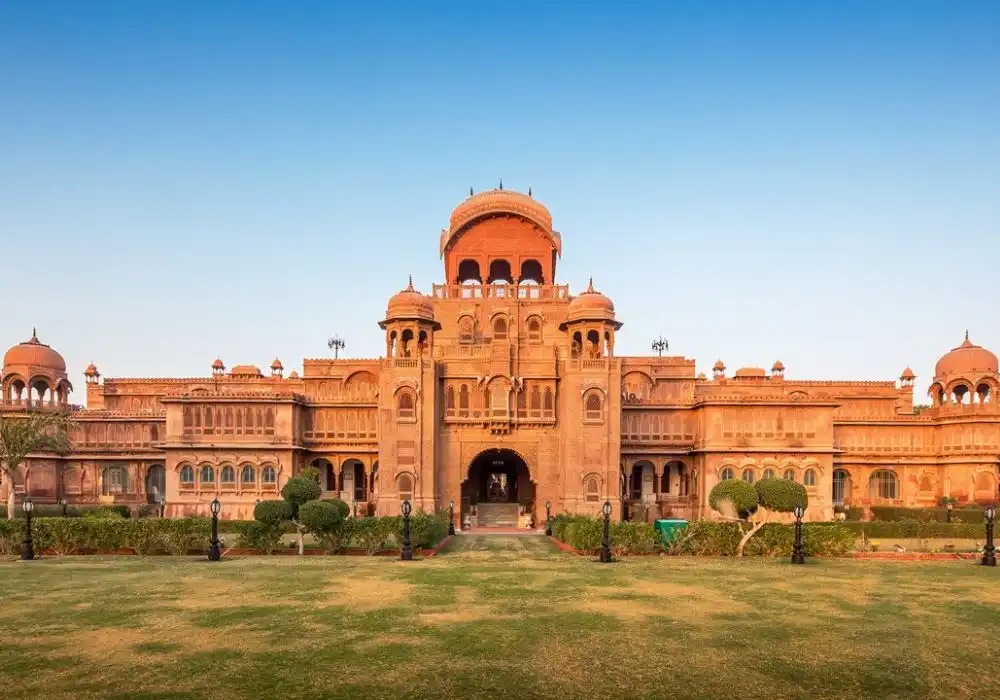
While the Agni Nritya is undoubtedly a crown jewel, Bikaner itself is a city steeped in history and grandeur. Known for its magnificent Junagarh Fort, historic Havelis, and delicious Bikaneri Bhujia, the city offers a rich tapestry of experiences. Understanding Bikaner’s broader cultural and historical landscape further enriches one’s knowledge base, proving that every corner of India holds lessons valuable for any aspiring civil servant or professional. The Agni Nritya of Bikaner is more than just a dance; it’s a testament to human faith, cultural endurance, and the captivating power of tradition. It stands as a beacon of India’s incredible heritage, offering both spiritual insight and a fascinating topic for those preparing to excel in their competitive examinations. Your preparation is incomplete without these daily exam-centric current events updates.
Frequently Asked Questions (FAQs)
Q1: What is the Agni Nritya?
A1: The Agni Nritya, or Fire Dance, is a spectacular and spiritually significant folk dance primarily performed in Bikaner, Rajasthan. It involves dancers performing bare-footed on a large pit of burning embers, often carrying and manipulating fire, as an act of devotion and a display of spiritual power.
Q2: Which community primarily performs the Agni Nritya?
A2: The Agni Nritya is traditionally performed by the Jasnaathi community, a sect of Jats who are followers of Guru Jasnaath Ji. Their faith in their guru’s teachings is believed to grant them immunity from the fire’s harm during the performance.
Q3: Where can one witness the Agni Nritya?
A3: The primary location to witness the authentic Agni Nritya is Bikaner, Rajasthan, particularly in villages associated with the Jasnaathi sect. It is often performed during religious festivals and community celebrations, typically at night.
Q4: What is the cultural significance of the Agni Nritya?
A4: The dance holds deep spiritual and cultural significance for the Jasnaathi community, serving as an expression of their devotion, spiritual prowess, and purification. For broader Indian culture, it represents a unique and powerful piece of intangible heritage, showcasing the rich diversity of traditional practices and beliefs, making it a valuable General Knowledge topic.
Q5: Is the Agni Nritya relevant for competitive exams like UPSC or SSC?
A5: Absolutely. The Agni Nritya is an excellent example of India’s diverse folk dances and cultural traditions. Questions related to its origin, location, community, or cultural significance can frequently appear in the General Knowledge and Culture sections of competitive examinations such as UPSC, SSC, PSC, and other government recruitment tests.





