
India’s Deep-Sea Ambition: A New Frontier in the Indian Ocean
In a significant stride towards harnessing marine resources, the Ministry of Earth Sciences (MoES) has recently forged a crucial exploration agreement with the International Seabed Authority (ISA). This ambitious 15-year pact, set to significantly involve activities around September 2025, marks India’s deepened commitment to exploring the vast and largely untapped reserves of polymetallic sulphides (PMS) in a specific, newly designated area of the North-West Indian Ocean. This landmark collaboration underscores India’s proactive approach to securing critical minerals vital for its growing economy and technological advancements, positioning the nation at the forefront of deep-sea exploration. These techniques will help you boost your ssc exam score significantly.
What are Polymetallic Sulphides (PMS) and Why are They Crucial?
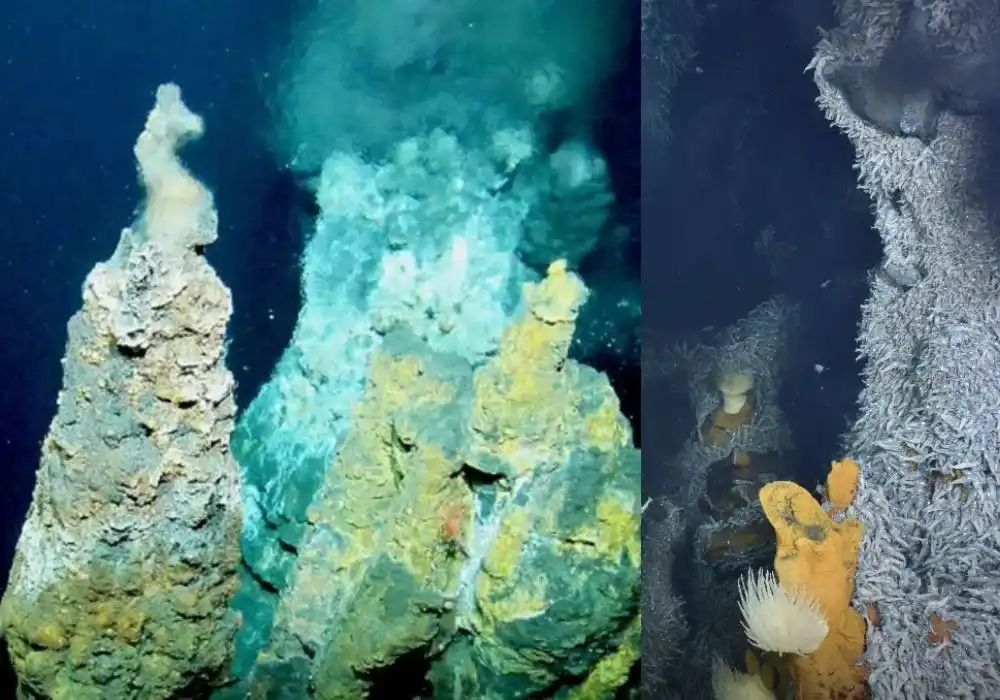
Polymetallic sulphides (PMS) are fascinating mineral deposits formed by hydrothermal vents on the ocean floor. These unique formations are rich in valuable metals such as copper, zinc, silver, and gold, along with other trace elements. These aren’t just ordinary metals; they are the bedrock of modern technology, indispensable for manufacturing everything from electric vehicle batteries and renewable energy components to sophisticated electronics and crucial industrial machinery. As terrestrial reserves dwindle and global demand for these strategic minerals soars, exploring and potentially extracting PMS from the ocean floor presents a compelling pathway to diversify supply chains and achieve mineral security for a rapidly developing nation like India. The strategic importance of these deep-sea treasures cannot be overstated in the context of a sustainable future.
The MoES-ISA Partnership: Unpacking the Agreement
This groundbreaking agreement between the Ministry of Earth Sciences, representing the Government of India, and the International Seabed Authority, the autonomous intergovernmental body overseeing all mineral-related activities in the international seabed area, is a testament to regulated and responsible exploration. The ISA acts as the custodian of the deep seabed’s mineral resources, ensuring that exploration and future exploitation are carried out for the benefit of humankind, adhering to strict environmental guidelines. Under this 15-year accord, India gains exclusive rights to explore polymetallic sulphides in a designated block within the North-West Indian Ocean, specifically focusing on the Carlsberg Ridge region. This collaboration not only grants access to potential resources but also strengthens India’s scientific and technological capabilities in deep-sea research and resource management, fostering international best practices in marine exploration.
Strategic Significance for India and Competitive Exams
This deep-sea exploration initiative holds profound significance for India across multiple dimensions. Economically, it promises to reduce reliance on imports for critical minerals, fostering self-reliance and boosting India’s ‘Blue Economy’ – a framework for sustainable ocean development. Environmentally, the careful study during the exploration phase will provide invaluable data on deep-sea ecosystems, aiding in the formulation of robust protection strategies for this fragile environment. Strategically, it elevates India’s stature as a major player in oceanographic research and deep-sea technology.
For aspirants preparing for competitive examinations such as UPSC, SSC, PSC, NID, NIFT, and other government exams, this development is a goldmine of current affairs and general knowledge. Questions related to India’s ‘Blue Economy’ initiatives, international agreements like those with ISA, locations of mineral deposits (e.g., Carlsberg Ridge), and the types of marine resources (polymetallic sulphides) are highly probable. Understanding the “why,” “what,” “where,” “when,” and “how” of this exploration agreement is crucial for comprehensive exam preparation, covering aspects of geography, economics, science and technology, and international relations.
Conclusion
India’s renewed focus on deep-sea exploration, epitomized by this agreement with the ISA, signals a visionary step towards securing its future resource needs and cementing its position as a responsible global maritime power. This initiative is not merely about discovering metals; it’s about expanding scientific knowledge, fostering technological innovation, and charting a sustainable course for utilizing the ocean’s vast potential, all while balancing development with environmental stewardship. Discover your complete guide to competitive exams on our homepage.
Frequently Asked Questions (FAQs)
1. What is the core of the recent agreement between MoES and ISA?
The core of the agreement is a 15-year pact allowing India, through its Ministry of Earth Sciences (MoES), to exclusively explore for polymetallic sulphides (PMS) in a newly designated area of the North-West Indian Ocean, with significant activities projected around September 2025.
2. What are Polymetallic Sulphides (PMS) and why are they important?
Polymetallic sulphides are rich mineral deposits found on the ocean floor, containing valuable metals like copper, zinc, silver, and gold. They are crucial for modern technologies, including electric vehicles, renewable energy infrastructure, and electronics, making them vital for future economic and technological development.
3. What is the International Seabed Authority (ISA)?
The International Seabed Authority (ISA) is an autonomous intergovernmental organization established under the 1982 United Nations Convention on the Law of the Sea. Its primary role is to organize, regulate, and control all mineral-related activities in the international seabed area, ensuring that these resources are managed for the benefit of humankind.
4. Where exactly will this deep-sea exploration take place?
This exploration will focus on a specific block within the North-West Indian Ocean, with a particular emphasis on the Carlsberg Ridge region, known for its hydrothermal activity and potential for polymetallic sulphide deposits.
5. Why is this deep-sea exploration important for India?
This exploration is strategically important for India to secure critical mineral resources, reduce import dependency, support its rapidly growing economy and ‘Blue Economy’ initiatives, and advance its scientific and technological capabilities in deep-sea research. It also enhances India’s standing as a responsible player in global ocean governance.





