
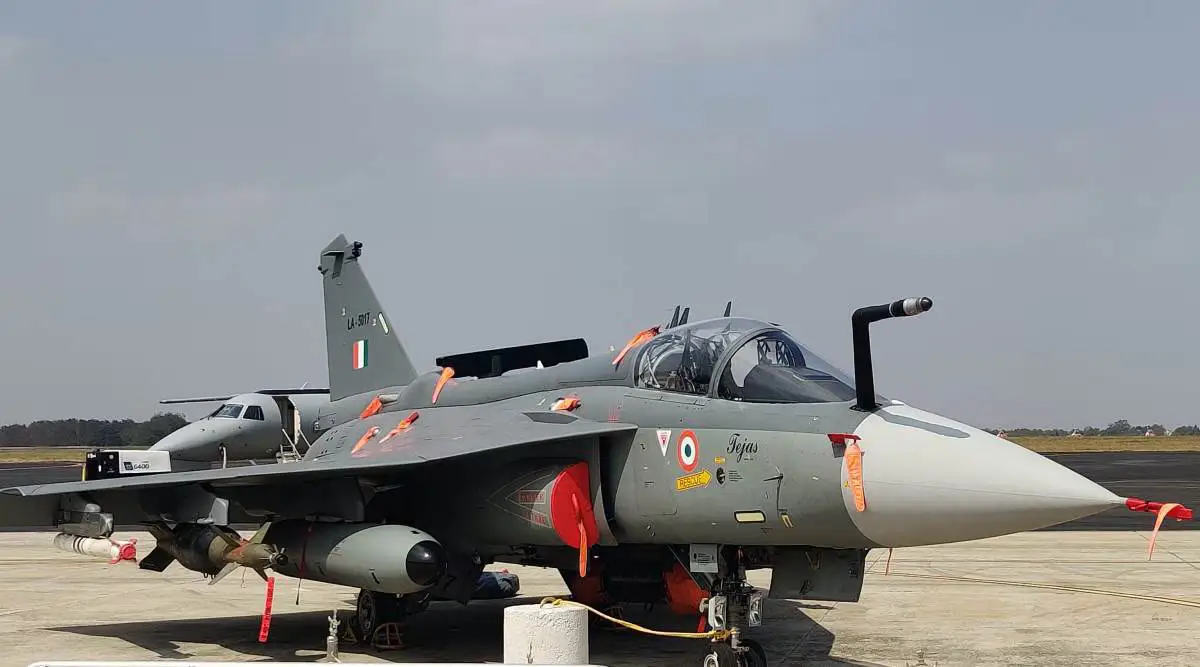
India’s journey towards self-reliance in defense has achieved another significant milestone with the recent unveiling of the first Tejas LCA Mk1A fighter jet. This event, led by Defence Minister Rajnath Singh in Nashik, is not just a headline; it represents a crucial step in strengthening the nation’s aerial capabilities and underscores India’s growing prowess in advanced manufacturing. For aspirants preparing for UPSC, SSC, PSC, and other government examinations, understanding the ‘why,’ ‘what,’ and ‘how’ behind such developments is paramount, as they frequently form the core of current affairs, static general knowledge, and even policy-related questions.
The Tejas LCA Mk1A: A Symbol of Indigenous Power
At its heart, the Tejas LCA Mk1A is more than just a new aircraft; it is an advanced variant of India’s Light Combat Aircraft (LCA) programme, meticulously designed and developed by Hindustan Aeronautics Limited (HAL). This version represents a significant upgrade over its predecessors, incorporating a host of advanced features that make it a formidable force in the skies. Key enhancements include a state-of-the-art Active Electronically Scanned Array (AESA) radar, an advanced Electronic Warfare (EW) suite for enhanced survivability, and the crucial ability for Air-to-Air Refuelling (AAR). These improvements are vital for increasing the aircraft’s operational range, mission flexibility, and overall combat effectiveness. The Tejas Mk1A embodies the spirit of “Atmanirbhar Bharat” (Self-Reliant India) in the defense sector, aiming to reduce dependence on foreign suppliers and bolster India’s strategic autonomy. This development is a testament to the nation’s engineering and technological capabilities, proving that India can design, develop, and produce world-class defense equipment on its own soil.
Expanding Horizons: The Nashik Production Hub
The unveiling event in Nashik was not limited to just the Tejas LCA Mk1A. Defence Minister Rajnath Singh also inaugurated a brand new production line dedicated to this advanced fighter jet, alongside a second production line for the HTT-40 trainer aircraft at the same facility. This expansion in Nashik is a strategic move to significantly boost the manufacturing capacity of both critical platforms. Increasing the number of production lines is essential for expediting deliveries to the Indian Air Force, ensuring that the nation’s defense needs are met promptly. The HTT-40, a basic trainer aircraft also developed by HAL, plays a foundational role in pilot training. By scaling up its production, India ensures a robust pipeline for new pilots, essential for maintaining a strong and capable air force. This integrated approach, manufacturing both advanced fighter jets and trainer aircraft at a single, expanded facility, demonstrates a comprehensive strategy towards strengthening India’s aerospace ecosystem and driving self-sufficiency in defense production. It also creates numerous employment opportunities and fosters a skilled workforce, contributing to economic growth and technological advancement within the region.
Broader Strategic Implications and Exam Relevance
The operationalization of the Tejas LCA Mk1A and the expansion of production facilities carry profound strategic implications for India. From a national security perspective, these indigenous advancements enhance India’s deterrence capabilities and its ability to respond effectively to regional threats. It projects India as a credible power on the global stage, capable of not only protecting its borders but also contributing to international peace and stability. Economically, the “Make in India” initiative within the defense sector stimulates domestic industry, encourages research and development, and has the potential to position India as an exporter of defense equipment, further boosting the economy.
For competitive exam aspirants, these developments are a goldmine of information.
* Current Affairs: Stay updated on such inaugurations, key figures involved (Defence Minister, HAL Chairman), and the timelines of projects.
* Static General Knowledge: Learn about HAL, DRDO (Defence Research and Development Organisation – responsible for design aspects of Tejas), various types of aircraft, defense technologies, and India’s defense policy. Questions on indigenous defense programs are increasingly common.
* UPSC and PSC Exams: Delve deeper into the strategic significance, geopolitical impact, economic implications of defense manufacturing, and the government’s “Atmanirbhar Bharat” initiatives. Analyze the role of public sector undertakings like HAL in national development.
* Other Government Exams (SSC, Banking, etc.): Focus on factual aspects like the name of the aircraft, the manufacturer, the location of production, and the general concept of self-reliance in defense. Understanding these elements will empower you to tackle objective-type questions with confidence. Regularly engaging with daily news quizzes and static general knowledge resources, such as those provided on myentrance.in, will help consolidate your understanding of these vital topics.
Frequently Asked Questions
1. Q: What exactly is the Tejas LCA Mk1A?
A: The Tejas LCA Mk1A is an advanced, indigenously developed Light Combat Aircraft (LCA), representing a significant upgrade to India’s existing Tejas fleet. It incorporates enhanced avionics, an improved radar system, and advanced electronic warfare capabilities, making it a more potent and versatile fighter jet for the Indian Air Force.
2. Q: Who is responsible for manufacturing the Tejas LCA Mk1A?
A: The Tejas LCA Mk1A is manufactured by Hindustan Aeronautics Limited (HAL), a premier Indian public sector aerospace and defense company. HAL plays a crucial role in India’s journey towards self-reliance in defense production.
3. Q: What is the significance of inaugurating new production lines in Nashik?
A: The inauguration of new production lines in Nashik for both the Tejas LCA Mk1A and the HTT-40 trainer aircraft is vital for substantially increasing manufacturing capacity. This acceleration in production ensures faster delivery of aircraft to the Indian Air Force, reducing reliance on imports, boosting the “Make in India” initiative, and creating significant employment opportunities within the defense sector.
4. Q: What is the role of the HTT-40 trainer aircraft?
A: The HTT-40 is an indigenous basic trainer aircraft, also developed by HAL. Its primary role is to provide foundational training for new pilots joining the Indian Air Force, preparing them for more advanced combat aircraft. Its increased production capacity ensures a steady supply of well-trained pilots for the nation’s defense.
5. Q: How is this development relevant for competitive examinations like UPSC, SSC, and PSC?
A: This development is highly relevant for competitive exams across various sections. It’s a key topic for current affairs, static general knowledge (regarding HAL, DRDO, defense technologies), and questions on national security, indigenous manufacturing, and government policies like “Atmanirbhar Bharat” (Self-Reliant India) for UPSC and PSC. For SSC and other government exams, factual questions about the aircraft, its manufacturer, and its purpose are common. Understanding such developments demonstrates a candidate’s awareness of national importance.





