
Steering India’s Farm Sector Towards Stability and Growth
India’s vast agricultural sector is the lifeblood of its economy, directly impacting millions of farmers and the nation’s food security. In an effort to ensure stability and uplift farmer welfare, the government frequently intervenes through strategic policies. A significant recent development in this direction saw Agriculture and Farmers Welfare Minister Shivraj Singh Chouhan give his crucial approval for the procurement of major pulses and oilseeds in the agricultural powerhouses of Uttar Pradesh and Gujarat. This decision underscores the government’s proactive approach to supporting its farming community and managing essential commodity supplies, a topic of immense relevance for anyone preparing for competitive examinations. Understanding the ‘why,’ ‘what,’ and ‘how’ of such initiatives is key to mastering current affairs, economics, and governance sections of exams like UPSC, SSC, and various PSCs. Our platform offers essential daily current affairs practice questions for all aspirants.
Understanding Agricultural Procurement: The Why and What
At its core, government agricultural procurement is a mechanism designed to offer a safety net to farmers and ensure national food security. The primary ‘why’ behind this policy is multifaceted: it aims to provide assured remunerative prices to farmers for their produce, thereby protecting them from market price fluctuations and exploitation by intermediaries. This stability in income encourages continued agricultural production. Furthermore, procurement helps the government build strategic buffer stocks of essential commodities, which are crucial for managing food inflation, ensuring widespread availability, and responding to unforeseen crises. By purchasing specific crops, often at a pre-announced Minimum Support Price (MSP), the government directly influences market dynamics to the benefit of the agricultural producer and the consumer alike. This process covers various vital crops, ranging from staple grains to nutritional powerhouses like pulses and oilseeds.
The Recent Approval: Focus on Pulses and Oilseeds in Key States
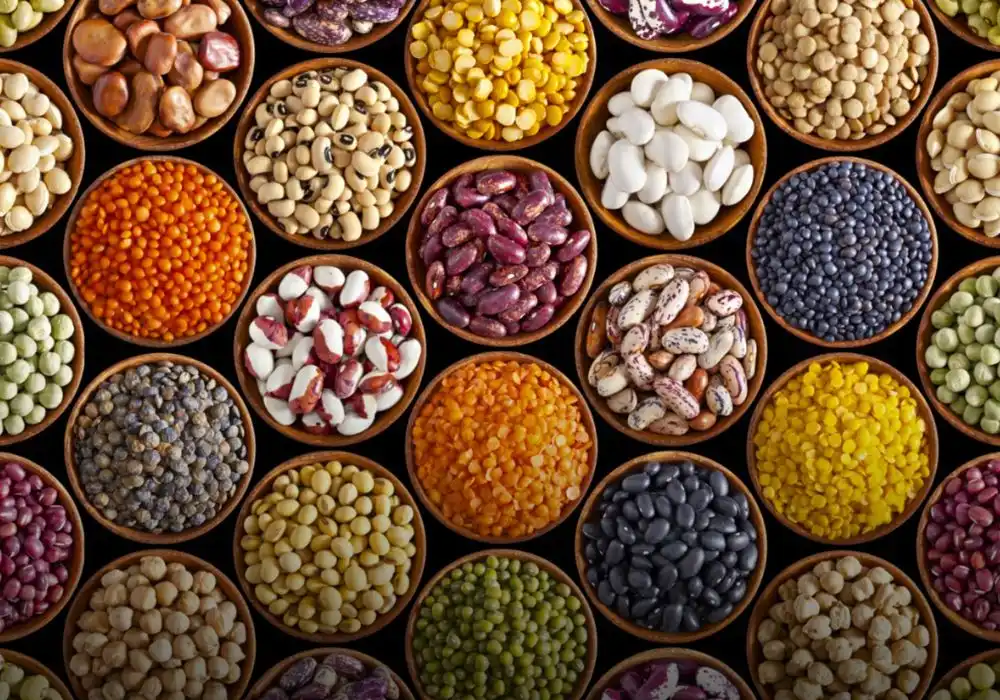
The recent directive from Minister Shivraj Singh Chouhan specifically focuses on the procurement of major pulses and oilseeds. This initiative is particularly significant given that pulses are a vital source of protein in the Indian diet, while oilseeds are essential for edible oils, both of which have a direct bearing on food inflation and household budgets. The decision targets two agriculturally important states: Uttar Pradesh, known for its extensive farming land and diverse crop production, and Gujarat, a significant producer of groundnut and other oilseeds. The approval signifies a timely government intervention to ensure that farmers in these regions receive fair prices for their hard work, especially after harvest, preventing distress sales and supporting their economic well-being. This targeted approach not only benefits local farmers but also contributes to the national availability of these critical food items.
Ensuring Fairness and Transparency: The How of Modern Procurement
A cornerstone of the Minister’s approval was a strong emphasis on making the entire procurement process transparent, digital, and definitively farmer-centric. This addresses a critical ‘how’ of effective governance. The directive stresses the necessity of leveraging digital platforms to streamline operations, from farmer registration to payment processing. The goal is to ensure that the benefits reach only genuine farmers, eliminating middlemen and preventing any misuse of the system. Implementing robust digital verification methods and ensuring direct bank transfers for payments are key components of this strategy. This commitment to transparency and efficiency is vital for building trust within the farming community and ensuring that public resources are utilized effectively. For exam aspirants, this highlights modern governance principles and the role of technology in public administration.
Broader Impact and Implications for Competitive Exams
The government’s agricultural procurement policy, exemplified by this recent decision, carries profound implications across economic, social, and governance spectrums. Economically, it stabilizes rural incomes, injects capital into the agricultural sector, and helps manage national food inflation. Socially, it contributes to food security, reduces poverty among farming households, and promotes balanced nutrition. From a governance perspective, it showcases the government’s commitment to farmer welfare, policy implementation, and the use of technology for transparency. For those preparing for competitive exams, understanding such initiatives is not just about memorizing facts. It requires a deeper analysis of the underlying policies, their economic impact, social relevance, and administrative challenges. Questions often arise concerning the Minimum Support Price (MSP) mechanism, the role of various government bodies in procurement, the impact on national food security, and the technological innovations driving these processes. Staying informed on these developments helps build a comprehensive understanding of India’s development trajectory and policy landscape, which is essential for success in UPSC, SSC, NID, NIFT, and other government examinations. Ensure consistent marks by studying from our complete static GK preparation material.
Frequently Asked Questions (FAQs)
1. What is the primary objective of government agricultural procurement in India?
The main objective of government agricultural procurement is to provide a stable and remunerative price to farmers for their produce, thereby safeguarding their income from market fluctuations. It also aims to build national buffer stocks of essential commodities to ensure food security, stabilize market prices, and manage inflation across the country.
2. Which types of crops are typically included in government procurement schemes?
Government procurement schemes generally include staple food grains like wheat and rice, as well as critical nutritional items such as pulses and oilseeds. The specific crops procured can vary based on regional production, national demand, and policy priorities, but the focus remains on essential commodities that impact a large section of the population and farming community.
3. How does the Minimum Support Price (MSP) relate to the procurement process?
The Minimum Support Price (MSP) is a guaranteed price set by the government, announced before the sowing season, at which it is willing to buy certain agricultural produce directly from farmers. This MSP acts as a benchmark and a safety net; if market prices fall below the MSP, the government steps in through its procurement agencies to purchase the produce at MSP, ensuring farmers receive a fair return.
4. Why is transparency and digitalization emphasized in modern agricultural procurement processes?
Transparency and digitalization are crucial to ensure that the benefits of procurement schemes reach only genuine farmers and to prevent corruption or misuse of funds. Digital platforms facilitate easier farmer registration, streamlined payment processing (often via direct benefit transfer), and robust verification, leading to greater efficiency, accountability, and trust in the system.
5. How do regional procurement approvals, like those for Uttar Pradesh and Gujarat, impact national agricultural policy and food security?
Regional procurement approvals are integral to the national agricultural policy as they address specific crop surpluses and farmer needs in key producing states. By ensuring effective procurement in these regions, the government contributes to overall national food security by building reserves of essential commodities. Such targeted interventions help stabilize supplies across the country and prevent regional price disparities from escalating into national issues.





