
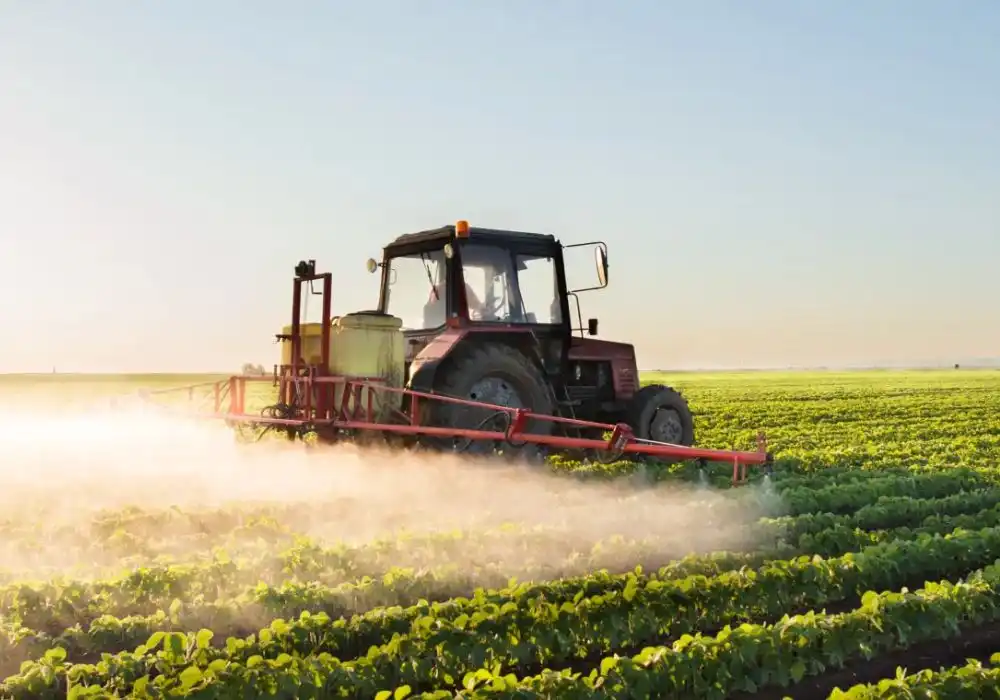
India’s economic backbone has long been its agriculture, a sector constantly evolving to meet the demands of a growing nation and a dynamic global landscape. For aspirants preparing for prestigious competitive examinations like UPSC, SSC, PSC, NID, NIFT, and other government roles, understanding the nuances of this transformation, particularly within the agri-allied sector, is not just academic – it’s crucial for success. This deep dive will explore the “why,” “what,” and “how” of India’s agricultural diversification, a topic frequently tested in current affairs, general knowledge, and economic segments of your exams. Our daily news analysis for upsc, ssc, psc provides deep insights into the news.
The Expanding Horizon: What is India’s Agri-Allied Sector?
Beyond the traditional cultivation of crops, India’s agricultural landscape is a vibrant ecosystem encompassing a range of related activities collectively known as the Agri-Allied Sector. This includes vital sub-sectors such as dairy and animal husbandry, fisheries, poultry, horticulture, sericulture, and forestry. Historically, our focus often remained on crop production, but the realization of the immense potential within these allied areas has spurred a significant shift. This diversification is not merely an economic strategy; it’s a foundational step towards enhancing rural incomes, ensuring food security, and creating sustainable livelihoods across the country. Understanding each component of this sector is key for comprehensive exam preparation, as questions can range from India’s global rank in milk production to the economic impact of the blue revolution.
Why Diversification Matters: Objectives Driving Agricultural Transformation
The push towards a more diversified agricultural sector stems from multiple, interconnected objectives. Primarily, it aims to reduce the over-reliance on traditional crop farming, which is often vulnerable to climatic fluctuations and market volatility. By promoting allied activities, the government seeks to provide alternative and supplementary income sources for farmers, ultimately leading to income stability and growth. This aligns with broader goals of poverty alleviation and inclusive rural development. Furthermore, a robust agri-allied sector contributes significantly to India’s nutritional security by providing protein-rich foods like milk, eggs, and fish. From a national economic perspective, it enhances exports, generates employment, and strengthens the overall rural economy. For your exams, remember that policies and schemes often target these specific objectives, making them prime candidates for questions on government initiatives and their impact.
How India’s Allied Sectors are Thriving: A Focus on Growth Engines
Guided by principles of public service and good governance, concerted efforts have been channeled into catalyzing growth across the agri-allied spectrum. This strategic focus has led to remarkable progress, particularly in segments like dairy and fisheries.
India stands as the world’s largest milk producer, a testament to the thriving dairy sector. This growth is powered by millions of small and marginal farmers, for whom dairy farming is often a primary or secondary source of income. Government support, improved livestock management practices, and robust cooperative structures have played a pivotal role in this success. Similarly, the fisheries sector, encompassing both inland and marine fishing, has emerged as a significant contributor to the economy and food security. Initiatives promoting sustainable fishing practices, infrastructure development, and increased access to technology have transformed this sector, often referred to as a “sunrise sector” due to its rapid expansion and immense untapped potential. Beyond these, sectors like animal husbandry, horticulture, and food processing are also receiving significant impetus, aiming to create a comprehensive and resilient agricultural economy that can withstand global challenges. Aspirants should track key statistics, government schemes, and policy changes related to these growth engines, as they frequently appear in current affairs sections.
The Exam Perspective: What to Focus On for Success
For those preparing for highly competitive exams, this topic offers a goldmine of information. Be prepared to answer questions on the latest data and statistics related to milk production, fish production, and other allied sectors. Understand the various government schemes and policies aimed at boosting these areas, such as those promoting livestock development, aquaculture, or food processing. Analyze the economic implications of agricultural diversification, including its impact on rural employment, farmer incomes, and India’s export potential. Familiarity with terms like “Blue Revolution” (fisheries) and “White Revolution” (dairy) is essential. Moreover, be ready to discuss challenges faced by these sectors and potential solutions. Staying updated with daily news quizzes and current affairs analyses on myentrance.in will provide you with the necessary edge to master this dynamic subject.
Frequently Asked Questions (FAQs)
1. What exactly does the Agri-Allied Sector encompass in India?
The Agri-Allied Sector in India extends beyond traditional crop cultivation to include vital activities such as dairy and animal husbandry, fisheries (both inland and marine), poultry farming, horticulture, sericulture (silk farming), and forestry. These diverse areas collectively contribute to agricultural income and rural livelihoods.
2. Why is the diversification of agriculture into allied sectors considered crucial for India’s economy?
Diversification is crucial because it reduces dependence on traditional crop farming, which is susceptible to weather changes and market fluctuations. It provides alternative and supplementary income sources for farmers, enhances nutritional security by offering protein-rich foods, creates rural employment opportunities, boosts exports, and strengthens the overall resilience of the rural economy.
3. What role do government initiatives play in the growth of India’s dairy and fisheries sectors?
Government initiatives are pivotal, focusing on policy support, infrastructure development, technological advancement, and financial assistance. These include schemes for improving livestock breeds, promoting sustainable fishing practices, establishing robust cooperative structures for milk collection and processing, and providing subsidies or credit facilities to farmers and fishers.
4. How does the growth in the Agri-Allied Sector impact rural employment and farmer incomes?
Growth in the Agri-Allied Sector significantly boosts rural employment by creating jobs in farming, processing, transportation, and marketing of products like milk, fish, and eggs. For farmers, it offers diversified income streams, reducing their risk exposure and often leading to higher and more stable earnings compared to relying solely on traditional crop cultivation.
5. What kind of questions related to India’s Agri-Allied Sector can I expect in competitive examinations like UPSC or SSC?
You can expect questions on current statistics and data (e.g., India’s rank in milk production, fisheries output), key government schemes and policies (e.g., specific initiatives for dairy or fisheries), their objectives and impact, economic analysis (e.g., contribution to GDP, role in rural development), challenges faced by these sectors, and historical or revolutionary terms (e.g., White Revolution, Blue Revolution).





