
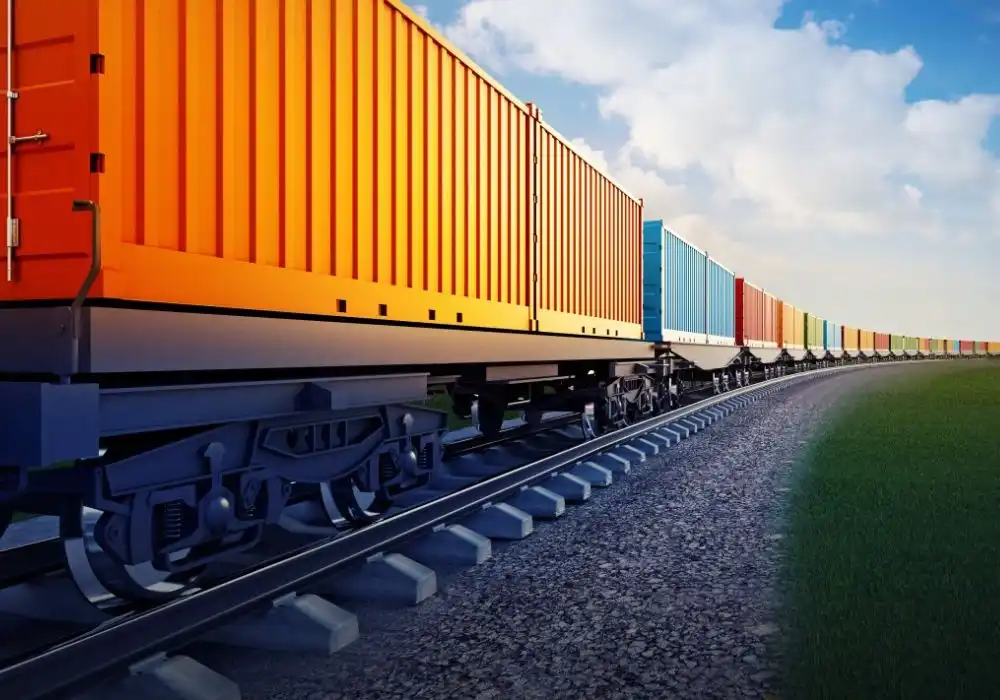
For every ambitious aspirant eyeing top government positions through competitive examinations like SSC, UPSC, PSC, NID, NIFT, and others, staying abreast of national developments is not just recommended, it’s essential. Indian Railways, often called the lifeline of the nation, frequently features in current affairs and general knowledge sections. A recent and significant advancement in its operations—the launch of scheduled, commodity-specific cargo services—is a prime example of an initiative that holds considerable weight for your exam preparation.
Why This Railway Initiative Is Crucial for Your Exams
Understanding the nuances of government initiatives, particularly in infrastructure and logistics, demonstrates a strong grasp of national policy and economic development. This specific development by Indian Railways signifies a strategic move towards modernizing freight transportation, impacting trade, industry, and overall economic efficiency. For exams, questions can arise from its objectives, operational model, geographical reach, and broader economic implications. Knowing the “why,” “what,” “where,” “when,” and “how” of such news equips you with comprehensive answers, not just for multiple-choice questions but also for descriptive papers and interviews. Get exam-ready with our concise daily news summaries and quizzes.
What Are These New Cargo Services All About?
Indian Railways has introduced a groundbreaking approach to freight movement by launching `scheduled, commodity-specific, time-tabled cargo services`. This isn’t just about moving goods; it’s about moving them with precision and predictability. Imagine a bus service with a fixed route and timetable, but for specific types of goods! These services are designed to address the long-standing need for more reliable and efficient cargo transportation across the country.
The core idea is to allocate specific train services for particular commodities, ensuring that goods like food grains, industrial raw materials, or finished products have dedicated and predictable transport routes. This commitment to a timetable means businesses can plan their supply chains with greater certainty, reducing delays and improving overall efficiency. For instance, services like the “Annapurna Service” exemplify this model, focusing on the specialized movement of key commodities, ensuring their timely delivery from production hubs to consumption areas.
Where Are These Services Making an Impact?
Initially, these innovative cargo services are making their mark across the `northern region` of India. This strategic focus aims to connect vital production centers—where goods are manufactured or harvested—with key consumption centers—where they are distributed and sold. By establishing these crucial links, Indian Railways is playing a pivotal role in streamlining supply chains for industries and consumers alike within this economically significant area. The expansion to other regions is a logical next step, but understanding the initial operational zone is key for current affairs questions.
How Do These Services Operate and Benefit the Nation?
The “how” lies in the meticulous planning and scheduling that goes into these services. By operating on a `time-tabled` basis, these cargo trains run on fixed schedules, much like passenger trains. This reliability is a game-changer. Previously, freight trains might experience delays due to various operational reasons; now, with dedicated slots and routes, transit times become significantly more dependable.
The benefits are multi-fold:
1. Improved Customer Satisfaction: Businesses relying on rail transport can now promise more accurate delivery times to their clients.
2. Reliable Transit Times: Predictability in delivery reduces storage costs, minimizes waste, and optimizes inventory management for industries.
3. Industry-Aligned Logistics Solutions: These services are tailor-made to meet the specific requirements of various industries, ensuring that different commodities are handled appropriately and transported efficiently.
4. Economic Boost: By facilitating smoother movement of goods, these services contribute directly to reduced logistics costs, improved trade, and ultimately, economic growth. This directly supports the “Make in India” and “Atmanirbhar Bharat” initiatives by strengthening the domestic supply chain.
For competitive exam aspirants, this initiative underscores the government’s focus on infrastructure development, ease of doing business, and enhancing India’s logistical prowess. Keeping track of such developments showcases your awareness of national priorities and capabilities. Avoid panic and optimize your final exam review with our expert advice.
Frequently Asked Questions (FAQs)
Q1: What is the primary objective behind Indian Railways launching these new commodity-specific cargo services?
A1: The main objective is to significantly enhance freight logistics by improving customer satisfaction, ensuring highly reliable transit times for cargo, and providing industry-aligned solutions that cater to specific commodity transport needs.
Q2: Which geographical region is currently benefiting from the initial rollout of these scheduled cargo services?
A2: These new scheduled, commodity-specific cargo services have been initially launched and are operating across the northern region of India, connecting various key production and consumption centers within this area.
Q3: How do these newly introduced cargo services differ significantly from traditional freight transportation by Indian Railways?
A3: The key difference lies in their “scheduled, commodity-specific, and time-tabled” nature. Unlike traditional freight, these services run on fixed schedules, are dedicated to particular types of goods, and offer predictable transit times, much like passenger trains, ensuring greater reliability and efficiency.
Q4: In what ways do these advanced cargo services contribute to India’s broader economic development?
A4: These services contribute to economic development by reducing logistics costs for industries, enhancing the efficiency of supply chains, supporting timely delivery of goods, boosting trade, and ultimately fostering a more competitive business environment across the nation.
Q5: Why is it important for candidates preparing for competitive exams like UPSC, SSC, or PSC to study such initiatives by Indian Railways?
A5: Such initiatives are vital for competitive exam candidates because they fall under crucial current affairs and general knowledge topics, reflecting government policies on infrastructure, logistics, and economic development. Questions on these topics assess a candidate’s awareness, analytical skills, and understanding of national progress.





