
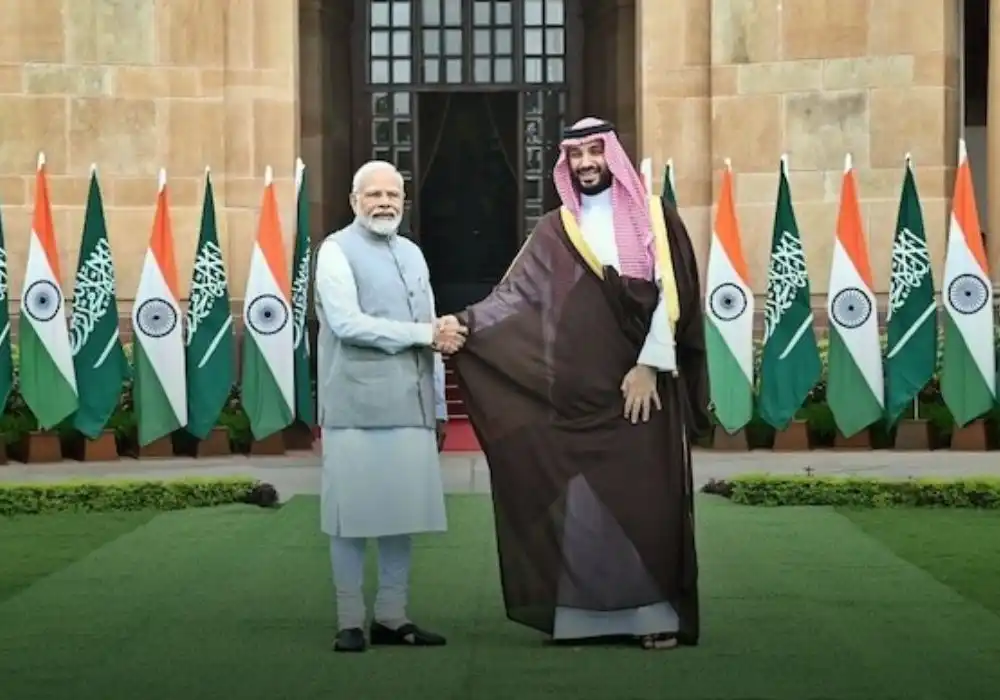
India and Saudi Arabia, two nations with a long-standing history of trade and cultural exchange, are now actively steering their strategic partnership beyond traditional energy sectors. Recent high-level dialogues highlight a significant push towards enhancing cooperation in the crucial chemicals and petrochemicals industry, a development poised to reshape economic landscapes and global trade. For aspirants preparing for competitive examinations such as UPSC, SSC, PSC, and various other government exams, understanding the nuances of this evolving relationship is key to mastering current affairs, international relations, and economic policy.
The Core of the Discussion: Deepening Chemical Ties
A pivotal bilateral meeting recently took place, bringing together key representatives from India’s Union Chemicals and Fertilisers Ministry and Saudi Arabia’s Ministry of Industry and Minerals. This high-level dialogue was specifically aimed at exploring and solidifying enhanced cooperation within the vital chemicals and petrochemicals domain. Spearheading the Saudi delegation was Vice Minister Khalil bin Ibrahim bin, signifying the Kingdom’s strong commitment to these discussions. The primary objective was clear: to identify new avenues for mutual growth, investment, and collaboration, leveraging the unique strengths of both nations in this rapidly expanding industrial sector. This engagement underscores a shared vision for diversifying economic ties and building resilient supply chains.
Strategic Importance for India: Fueling Growth and Self-Reliance
For India, this burgeoning partnership holds immense strategic value across multiple fronts. The chemicals and petrochemicals sector is a foundational pillar of industrial growth, providing essential raw materials for a vast array of downstream industries, from agriculture and textiles to pharmaceuticals and automotive manufacturing. Enhanced collaboration with Saudi Arabia, a global powerhouse in hydrocarbon resources, can ensure a stable, secure, and potentially more cost-effective supply chain for India’s burgeoning manufacturing sector. This aligns seamlessly with India’s “Make in India” initiative and its broader aspiration of achieving self-reliance, or “Atmanirbhar Bharat,” by reducing import dependence and boosting domestic production capabilities. Such international partnerships are vital for maintaining economic stability, driving industrial output, and strengthening India’s position in global trade—all critical areas for examination preparation.
Saudi Arabia’s Vision 2030: Diversification Beyond Oil
From Saudi Arabia’s perspective, these talks are an integral component of its ambitious “Vision 2030” agenda. The Kingdom is actively committed to diversifying its economy away from an overwhelming reliance on crude oil exports, aiming instead to transform into a global hub for advanced manufacturing, technology, and value-added industries. Partnering with India, a massive and growing consumer market with established technical expertise and a skilled workforce, provides a crucial pathway to achieving these diversification goals. This collaboration allows Saudi Arabia to strategically move up the value chain, converting its abundant raw hydrocarbon resources into higher-value chemical products and then exporting them to a key strategic partner like India, thereby creating new economic streams and employment opportunities.
The Road Ahead: Implications for Exams and Beyond
The outcome of these significant discussions is expected to pave the way for concrete initiatives, potentially including joint ventures, technology transfer agreements, increased bilateral trade in chemical products, and shared research and development efforts. Such collaborations are not merely about economic statistics; they represent a strategic alignment that can fundamentally reshape regional supply chains, foster deeper geopolitical ties, and contribute to global economic stability. For competitive exam aspirants, understanding these nuanced developments is paramount. This topic can frequently appear in current affairs quizzes, general knowledge sections on international relations and economic policy, and even as the basis for analytical essay questions in exams like UPSC and PSC. Keeping a close watch on subsequent agreements, policy changes, and investment flows stemming from these high-level dialogues will be crucial for comprehensive exam preparation.
Frequently Asked Questions (FAQs)
Q1: What was the primary objective of the recent bilateral talks between India and Saudi Arabia?
A1: The primary objective was to strengthen and enhance bilateral cooperation specifically in the chemicals and petrochemicals sector, exploring new avenues for trade, investment, and joint ventures between the two nations.
Q2: Which key ministries were involved in leading these discussions from both India and Saudi Arabia?
A2: From India, the Union Chemicals and Fertilisers Ministry was involved, while Saudi Arabia was represented by its Ministry of Industry and Minerals.
Q3: How does this partnership in the chemicals and petrochemicals sector benefit India strategically?
A3: For India, this partnership ensures a more stable and potentially cost-effective supply chain for essential raw materials, supports its “Make in India” and “Atmanirbhar Bharat” initiatives by reducing import dependence, and boosts its manufacturing sector’s growth.
Q4: How do these talks align with Saudi Arabia’s long-term economic development goals?
A4: These discussions are crucial for Saudi Arabia’s “Vision 2030,” which aims to diversify its economy away from crude oil dependency by developing advanced manufacturing and value-added industries, turning raw hydrocarbons into higher-value chemical products for global markets, including India.
Q5: Why is understanding this India-Saudi Arabia chemical partnership important for competitive exam aspirants?
A5: This topic is highly relevant for competitive exams as it falls under Current Affairs, International Relations, and Economic Policy. It can be tested in multiple-choice questions, descriptive answers on bilateral ties, or as part of essay questions related to India’s economic diplomacy, energy security, and industrial growth.





