
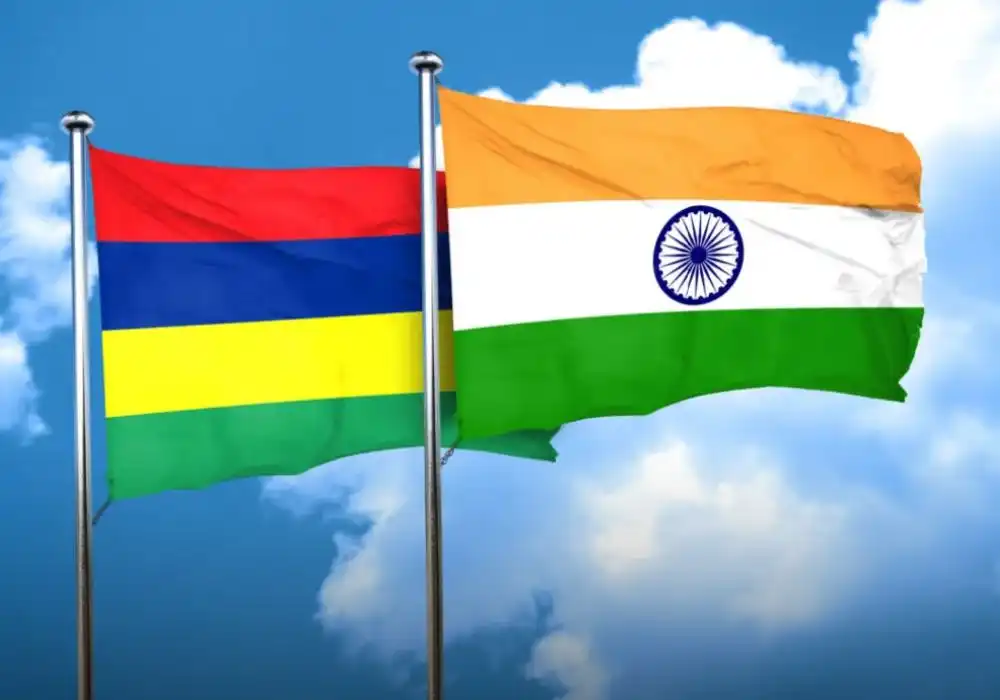
Unpacking the Significance of Diplomatic Engagements for Your Exams
In the dynamic world of competitive examinations such as UPSC, SSC, PSC, NID, NIFT, and other government roles, understanding current affairs is not just about knowing what happened, but *why* it matters and *how* it connects to broader general knowledge. A recent significant event for aspirants to note is the official visit of Mauritius Prime Minister, Dr. Navinchandra Ramgoolam, to India. Such high-level diplomatic exchanges are crucial for understanding India’s foreign policy, international relations, and regional dynamics – all frequently tested areas. Save time by reading our curated current events for revision that are exam-relevant.
The Recent Diplomatic Exchange: What Happened?
Prime Minister Dr. Navinchandra Ramgoolam of Mauritius recently undertook his inaugural bilateral visit of his current term to New Delhi, following a preceding spiritual journey to Tirupati, Andhra Pradesh. Upon his arrival in the Indian capital, he was warmly received by India’s Minister of State for Defence, Sanjay Seth. During his stay in New Delhi, the Mauritian Prime Minister paid homage to two pivotal figures in Indian history by visiting Rajghat and Sadaiv Atal. At these hallowed sites, he laid wreaths, commemorating Mahatma Gandhi and [further details would follow here, likely Atal Bihari Vajpayee, based on Sadaiv Atal]. This visit underscores the enduring friendship and shared values between India and Mauritius, setting the stage for crucial bilateral discussions and agreements in the days to come.
Why India and Mauritius Matter: A Look at Bilateral Ties
For anyone preparing for government exams, the relationship between India and Mauritius is a prime example of strategic cooperation and cultural kinship. Understanding this relationship helps build a robust foundation in international relations and static general knowledge.
Historical and Cultural Bonds: The strong connection between the two nations is deeply rooted in history, primarily due to the large Indian diaspora in Mauritius. This shared heritage fosters a unique cultural affinity, leading to robust people-to-people connections and a shared legacy. Many Mauritian citizens trace their ancestry back to India, making cultural exchange and collaboration a natural progression of their relationship.
Strategic Importance: Positioned strategically in the Indian Ocean, Mauritius holds significant importance for India’s maritime security and economic interests. Cooperation with Mauritius is vital for India’s broader vision for the Indian Ocean Region, including initiatives focused on regional security, counter-piracy efforts, and disaster management. This geographical context is often a point of interest for questions in UPSC Mains (GS-II: International Relations) and various General Knowledge sections.
Economic and Development Partnership: India is a key development partner for Mauritius, providing assistance across various sectors, including infrastructure, healthcare, and education. Trade and investment flows between the two countries are substantial, with India often being one of Mauritius’s largest trading partners. Such partnerships extend to areas like technology transfer, capacity building, and financial services, making Mauritius an important economic ally in the region. Understanding these facets provides excellent material for current affairs quizzes and descriptive answers.
Exam Perspective: What to Focus On
When news like the Mauritius PM’s visit breaks, it’s not just about reading the headlines. It’s about extracting actionable information for your exams. For current affairs, focus on the ‘who’ (the leaders involved), ‘what’ (the purpose of the visit, key activities), ‘where’ (locations visited), and ‘when’ (the timeframe). For general knowledge and static portions, delve into the historical context of India-Mauritius relations, their strategic importance in the Indian Ocean, key agreements or partnerships, and the cultural linkages. For descriptive exams, be prepared to analyze the implications of such visits on India’s foreign policy and regional standing. Keep an eye on any joint statements or signed agreements that might emerge from these high-level discussions, as these are frequently the basis for direct questions. Make it a habit to stay updated with our gk practice tests for consistent learning.
Frequently Asked Questions (FAQs)
Q1: Who is the current Prime Minister of Mauritius who recently visited India?
A1: The current Prime Minister of Mauritius who recently undertook a bilateral visit to India is Dr. Navinchandra Ramgoolam.
Q2: What is the primary significance of India’s relationship with Mauritius for competitive exams?
A2: For competitive exams, the primary significance lies in the strategic importance of Mauritius in the Indian Ocean Region for India’s security and economic interests, coupled with deep historical, cultural, and diaspora ties that are often covered in International Relations and General Knowledge sections.
Q3: Which Indian Minister received the Mauritian Prime Minister upon his arrival in New Delhi?
A3: India’s Minister of State for Defence, Sanjay Seth, received the Mauritian Prime Minister upon his arrival in New Delhi.
Q4: Which historical sites did the Mauritian Prime Minister visit in New Delhi to pay homage?
A4: During his visit to New Delhi, the Mauritian Prime Minister paid homage at Rajghat and Sadaiv Atal, commemorating Mahatma Gandhi and other esteemed leaders.
Q5: In which Indian state did Dr. Navinchandra Ramgoolam visit prior to his bilateral engagements in New Delhi?
A5: Prior to his bilateral engagements in New Delhi, Dr. Navinchandra Ramgoolam visited Tirupati in Andhra Pradesh.





