
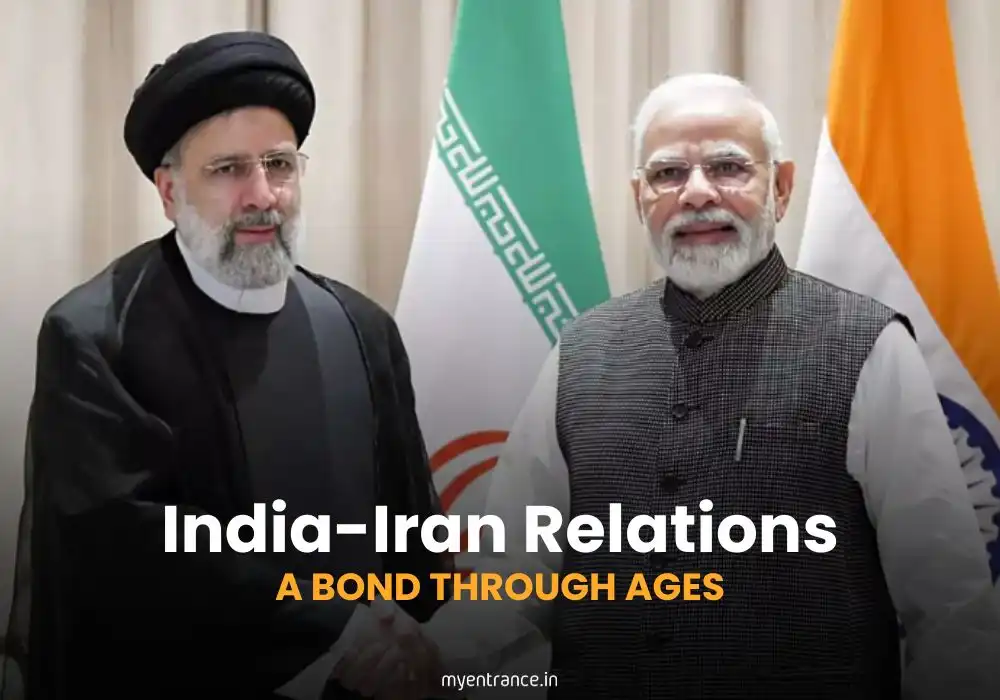
A Bond Through Ages: Understanding the India-Iran Connection
India and Iran share a deep historical and cultural legacy that stretches back millennia, predating many modern nation-states. This ancient connection, built on trade routes, philosophical exchange, and shared heritage, forms the bedrock of a relationship that continues to evolve in the contemporary world. For anyone preparing for competitive examinations like UPSC, SSC, PSC, NID, NIFT, or other government exams, understanding the dynamics of India-Iran relations is not just about memorizing facts; it’s about grasping the intricate interplay of geopolitics, economy, and culture that shapes international affairs. Our goal here at MyEntrance.in is to provide you with the clearest insights into this crucial partnership, ensuring you are well-prepared for any question that comes your way.
Why India-Iran Relations Are Critical for Your Exams and Global Understanding
The renewed significance of India-Iran relations stems from several key factors, making it a recurring and vital topic in current affairs and general knowledge sections of your exams. First and foremost is geopolitical significance. Iran, strategically located at the crossroads of the Middle East, Central Asia, and the Indian Ocean, holds immense importance for regional stability and global power dynamics. India, an emerging global power, seeks to maintain strong ties with all major regional players to safeguard its strategic interests. Secondly, energy security stands as a paramount concern for India, one of the world’s largest energy consumers. Iran possesses vast reserves of oil and natural gas, offering a vital, though sometimes complicated, source of energy for India’s growing economy. Thirdly, connectivity and trade routes are crucial. The development of Chabahar Port in Iran is a game-changer for India, providing a sea-land route to Afghanistan and the resource-rich Central Asian republics, bypassing Pakistan. This initiative is pivotal for India’s economic and strategic outreach in the region. Understanding these ‘whys’ is fundamental to answering analytical questions in your Mains examinations. Challenge yourself with our daily news quiz for upsc and ssc to test your awareness.
The Pillars of Partnership: What Drives Bilateral Cooperation
The ongoing cooperation between India and Iran is multifaceted. Economically, beyond energy, there is potential for increased bilateral trade in various sectors, from pharmaceuticals and agricultural products to engineering goods. Strategically, both nations share concerns about regional terrorism and the need for stability in Afghanistan, which often translates into collaborative diplomatic efforts. The Chabahar Port project in southeastern Iran is perhaps the most tangible symbol of this partnership. India’s investment in this port and the associated rail and road network aims to create a reliable and efficient corridor for trade, strengthening India’s commercial links with Afghanistan and Central Asia. This project exemplifies how two nations can pursue shared strategic interests through infrastructure development. Keeping track of the progress and challenges associated with Chabahar Port is essential for your current affairs knowledge. Furthermore, regular high-level visits and bilateral dialogues ensure that the leadership of both countries stays engaged on matters of mutual interest, shaping the ‘what’ of their evolving relationship. A great strategy is to build a strong foundation in static gk early in your preparation.
Navigating the Complexities: Challenges and Future Outlook
While the potential for India-Iran partnership is vast, the relationship is not without its complexities. International sanctions imposed on Iran, primarily by Western nations, have historically posed significant challenges for India in maintaining consistent trade and investment, particularly in the energy sector. India has had to carefully balance its relations with Iran against its broader geopolitical interests and partnerships, especially with countries like the United States. Regional rivalries and the volatile geopolitical landscape of the Middle East also influence the nature and pace of their cooperation. Despite these hurdles, both India and Iran recognize the long-term strategic imperative of their partnership. The future of India-Iran relations will likely see continued efforts to deepen economic ties, bolster regional connectivity, and coordinate on issues of shared security, always navigating the prevailing international currents. Understanding these challenges helps you formulate a balanced perspective in essay-type questions. Visit myentrance for daily practice questions that will keep you exam-ready.
Mastering the Topic: How to Ace Exam Questions on India-Iran Relations
To excel in competitive exams, you need a systematic approach to studying India-Iran relations. First, continuously follow daily news and current affairs from reputable sources, as policies and events are constantly evolving. Our Daily News Quiz and Current Affairs sections on MyEntrance.in are designed specifically for this purpose. Secondly, understand the static general knowledge aspects: know the geography of Iran, the location of Chabahar Port, historical timelines, and key leaders. Thirdly, for UPSC and PSC aspirants, develop an analytical perspective. Be prepared to discuss the ‘why, what, where, when, and how’ – the motivations behind the partnership, specific projects, geographical importance, historical context, and the mechanisms of cooperation. For objective type questions, focus on key facts, dates, and names. By utilizing our interactive examinations & answers and our comprehensive study materials, you can solidify your understanding and ensure you are fully prepared to tackle any question on India-Iran relations, transforming complex information into scoring opportunities.





