
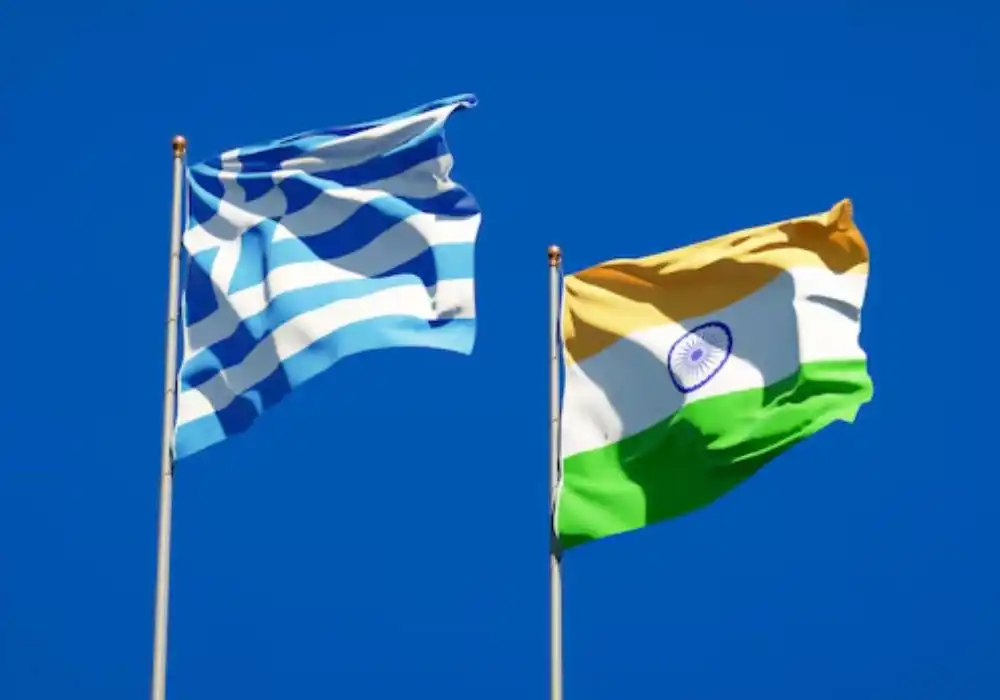
In the dynamic landscape of global diplomacy, India’s relations with key international players are consistently evolving, and understanding these shifts is paramount for any aspirant preparing for competitive examinations like UPSC, SSC, PSC, NID, NIFT, and other government exams. Recently, a significant telephonic conversation between India’s Prime Minister Narendra Modi and his Greek counterpart Kyriakos Mitsotakis brought into focus the deepening strategic partnership between these two ancient nations. This high-level dialogue wasn’t just a routine exchange; it reinforced a mutual commitment to fortify their bond, promising regional peace and prosperity. For students, this signals a crucial area for current affairs, static general knowledge, and even potential essay topics. For consistent scoring in exams, these static gk notes are an invaluable tool.
Why This Partnership Matters: A Strategic Overview
The engagement between Prime Minister Modi and Prime Minister Mitsotakis highlights the growing importance of the India-Greece relationship on the global stage. This partnership is not merely transactional; it is deeply rooted in shared democratic values, a rich historical legacy, and a mutual desire for a stable and prosperous international order. Both nations are strategically located – India as a rising global power in Asia, and Greece as a crucial gateway in Europe and the Mediterranean. Their collaboration, therefore, has far-reaching implications beyond their bilateral scope.
The primary objective of this strategic alignment is to enhance regional peace and prosperity. India, with its ‘Act East’ and ‘Look West’ policies, seeks to expand its influence and secure its interests across diverse geographies. Greece, similarly, aims to bolster its position within the European Union and the wider Mediterranean region. By working together, they aim to address common challenges, foster economic growth, and promote stability in their respective spheres of influence.
What’s Driving the Cooperation: Key Sectors and Developments
The recent discussions between the leaders underscored the impressive strides made in various sectors, demonstrating a robust and multifaceted engagement. Both Prime Ministers enthusiastically acknowledged advancements in several crucial areas:
* Trade and Investment: Both nations are actively exploring avenues to boost bilateral trade and investment, identifying key sectors where their economies can complement each other, thereby contributing to mutual economic growth. This includes potential collaborations in manufacturing, services, and digital technologies.
* Technology Exchange: With both countries emphasizing innovation, there’s a strong focus on sharing technological advancements and expertise, particularly in areas like renewable energy, digital infrastructure, and smart cities.
* Shipping and Connectivity: Greece, a major maritime nation, and India, with its extensive coastline and burgeoning trade routes, find common ground in enhancing shipping cooperation and improving connectivity. This is vital for global trade and logistics.
* Defence and Security: The evolving geopolitical landscape necessitates stronger defence and security cooperation. This includes intelligence sharing, joint exercises, and collaboration in defence manufacturing to address common security threats and ensure maritime safety.
* People-to-People Connections: Beyond state-level interactions, fostering closer ties between the citizens of India and Greece is a cornerstone of this partnership. This includes cultural exchanges, tourism, and educational collaborations, building a stronger foundation for long-term relations.
When and How These Developments Impact Your Exams
For aspirants, understanding the “when” and “how” of these international relations is critical. The “when” refers to the continuous nature of these engagements, making them perennial current affairs topics. Any new development, joint statement, or high-level visit becomes potential material for daily news quizzes and dedicated current affairs sections. The “how” relates to the specific details: How are these partnerships structured? What are the key agreements? How do they align with India’s broader foreign policy doctrines?
When preparing for examinations, consider the following:
* Current Affairs: Stay updated on every significant interaction between Indian and Greek leadership. Questions could range from “Who is the current Prime Minister of Greece?” to “What are the key pillars of the India-Greece Strategic Partnership?”
* Static General Knowledge: Understand the geographical location of Greece, its capital, major ports, and its historical ties with India. Questions might also probe into the strategic importance of the Mediterranean region.
* UPSC Mains: The partnership could be a case study for questions on India’s foreign policy, multilateral diplomacy, or economic diplomacy. Analyzing the challenges and opportunities in such bilateral relationships is crucial.
* SSC/PSC Exams: Expect direct questions on facts related to the leaders involved, the nature of the partnership, or key sectors of cooperation.
By diligently following such developments and connecting them to broader geopolitical and economic contexts, you can transform news headlines into high-scoring exam answers. The India-Greece strategic partnership is a vibrant example of how India is forging stronger alliances, contributing to a more interconnected and stable world, and offering a wealth of knowledge for your exam preparation journey. Many toppers recommend this definitive guide to static general knowledge.
Frequently Asked Questions (FAQs)
Q1: What is the primary objective of the India-Greece Strategic Partnership?
A1: The primary objective is to strengthen bilateral relations across various sectors, enhance regional peace and prosperity, and address common challenges through mutual cooperation. Both nations aim to leverage their strategic positions and shared values for collective growth and stability.
Q2: Which key sectors are highlighted in the India-Greece cooperation?
A2: Key sectors of cooperation include trade and investment, technology, shipping, defence, security, connectivity, and people-to-people exchanges, all aimed at fostering comprehensive growth and deeper understanding between the two countries.
Q3: Who are the current leaders involved in discussions regarding this partnership?
A3: The leaders involved in the recent high-level discussions are Prime Minister Narendra Modi of India and Prime Minister Kyriakos Mitsotakis of Greece. Their interactions guide the direction and progress of the strategic partnership.
Q4: Why is Greece strategically important for India’s foreign policy?
A4: Greece holds strategic importance as a crucial gateway in Europe and the Mediterranean region. Partnering with Greece allows India to enhance its reach and influence in a vital geographical area, promoting economic ties, maritime security, and diplomatic engagement with Europe.
Q5: How can students preparing for government exams keep up-to-date with such international relations news?
A5: Students should regularly follow credible news sources, dedicate time to daily current affairs updates, participate in daily news quizzes, and utilize specialized educational platforms like myentrance.in which provide summarized, exam-centric analyses of such developments.
Excerpt
Stay ahead in your exam preparation! Explore the deepening India-Greece Strategic Partnership and understand its vital implications for Current Affairs, Static GK, and advanced government exams like UPSC, SSC, and PSC. Get expert insights, key sectors of cooperation, and FAQs tailored for your success at myentrance.in.





