
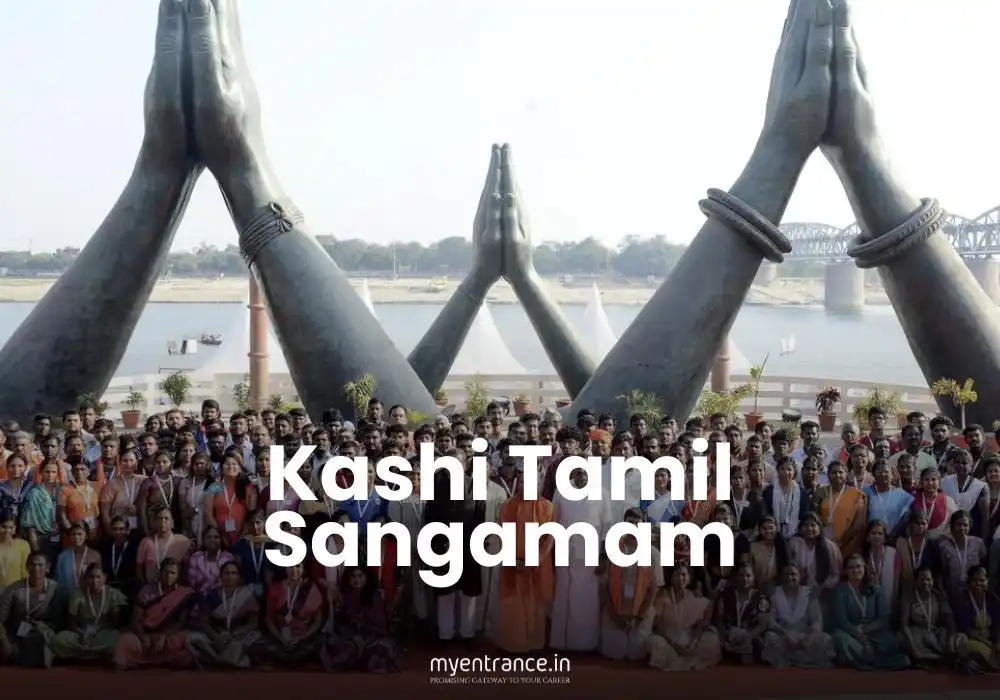
The Kashi Tamil Sangamam, an initiative that beautifully weaves together the rich cultural tapestries of Kashi (Varanasi) and Tamil Nadu, is set to embark on its fourth edition from December 2nd. This significant cultural exchange, orchestrated by the Ministry of Education, serves as a profound celebration of the enduring civilizational, cultural, linguistic, and people-to-people connections that have historically bound these two vibrant regions of India. Far more than just an event, the Sangamam stands as a powerful testament to the national ethos of “Ek Bharat Shreshta Bharat,” reinforcing the idea of a united India through mutual understanding and appreciation of its diverse heritage. For students preparing for competitive examinations, understanding the nuances of such initiatives is crucial, as they often reflect key governmental policies, cultural preservation efforts, and aspects of national integration.
What is the Kashi Tamil Sangamam and Why is it Important?
The Kashi Tamil Sangamam is an annual cultural festival designed to rediscover, reaffirm, and celebrate the millennia-old ties between Tamil Nadu, a cradle of Dravidian culture in the south, and Kashi, the spiritual heart of Hinduism in the north. The “Sangamam” itself signifies a confluence or coming together, aptly reflecting the initiative’s goal of merging and highlighting shared traditions, philosophies, arts, and knowledge systems. Its importance lies in several dimensions: firstly, it aims to foster a deeper understanding and appreciation of India’s cultural unity amidst its incredible diversity. By showcasing the intertwined histories and parallel cultural evolutions, it helps to dispel misconceptions and build bridges between different regional identities. Secondly, it plays a vital role in national integration by promoting the spirit of “Ek Bharat Shreshta Bharat,” an initiative conceptualized to enhance interaction and mutual understanding between people of different states and Union Territories. Through such exchanges, citizens are encouraged to appreciate and learn about the culture, traditions, and practices of others, thereby fostering a sense of shared identity and belonging.
Who Organises and Coordinates This Grand Initiative?
The primary organizational responsibility for the Kashi Tamil Sangamam rests with the Ministry of Education, Government of India. However, it is important to understand that such a large-scale and comprehensive event requires the collaborative efforts of multiple ministries and institutions. For instance, academic partners such as the Indian Institute of Technology Madras (IIT Madras) and Banaras Hindu University (BHU) have played pivotal roles in coordinating various aspects, especially the academic and knowledge exchange components. Other ministries, including Culture, Railways, Tourism, Textiles, and Information & Broadcasting, also contribute significantly by facilitating logistics, promoting the event, and showcasing relevant cultural and artisanal products. This multi-stakeholder approach ensures the event’s broad reach and successful execution, bringing together diverse elements from various sectors of governance and academia.
When and Where Does the Sangamam Take Place?
The fourth edition of the Kashi Tamil Sangamam is slated to commence on December 2nd. While the specific duration can vary, the event typically spans several days or even weeks, allowing for comprehensive cultural immersion and exchange. Historically, the Sangamam has focused on Kashi (Varanasi) as a primary venue, serving as the host city where participants from Tamil Nadu are welcomed and introduced to the ancient city’s spiritual and cultural heritage. Simultaneously, the spirit of the Sangamam is also celebrated in Tamil Nadu through various preparatory events and discussions, creating a reciprocal flow of cultural appreciation. The choice of Kashi is significant because of its historical links with various South Indian communities, including Tamil scholars, saints, and pilgrims who have traveled to and resided in the holy city for centuries, contributing to its composite culture.
How Does the Kashi Tamil Sangamam Foster Cultural Unity?
The Kashi Tamil Sangamam employs a multifaceted approach to foster cultural unity, moving beyond mere symbolic gestures to create tangible experiences of shared heritage. The initiative typically includes academic conferences and seminars where scholars discuss the historical, linguistic, and cultural commonalities between the two regions, often focusing on shared literary traditions, philosophical ideas, and architectural styles. Cultural performances, including classical music and dance forms from both Tamil Nadu and Kashi, provide vibrant platforms for artistic exchange and mutual appreciation. Exhibitions showcasing traditional arts, crafts, textiles, and culinary traditions allow visitors to experience the tangible expressions of each culture. Pilgrimages and heritage walks are also organized, enabling participants to trace the historical journeys and spiritual connections that have linked these two regions for centuries. These diverse activities collectively ensure that the Sangamam is an enriching experience for all involved, fostering deep connections and reinforcing the narrative of “one nation, many expressions.”
Benefits for Competitive Exam Aspirants
For students preparing for competitive exams like UPSC, SSC, PSC, NID, and NIFT, understanding the Kashi Tamil Sangamam offers a wealth of knowledge across various subjects. In General Studies, it provides direct insights into Indian Art and Culture, History (especially ancient and medieval links between North and South), Polity (schemes like Ek Bharat Shreshta Bharat), and Social Issues (national integration, cultural preservation). Questions related to cultural diplomacy, inter-state relations, and the role of education in promoting national unity are directly addressed by this initiative. For design and art-focused exams, it highlights indigenous crafts, textiles, performing arts, and architectural styles, offering concrete examples of India’s rich aesthetic heritage. Analyzing the ‘why,’ ‘what,’ ‘who,’ ‘when,’ and ‘how’ of the Sangamam not only enhances general awareness but also sharpens analytical skills crucial for essay writing and Mains examinations, allowing aspirants to draw connections between governmental initiatives and their broader socio-cultural impact.
Frequently Asked Questions
Understanding the core aspects of the Kashi Tamil Sangamam is essential for competitive exam preparation. One frequently asked question often pertains to the primary objective of this significant initiative. The core purpose is to celebrate and reinforce the deep civilizational, cultural, linguistic, and people-to-people linkages that have historically existed between Tamil Nadu and Kashi, embodying the spirit of “Ek Bharat Shreshta Bharat.” Another common query concerns the lead organizing body responsible for orchestrating such a grand event. It is the Ministry of Education, Government of India, that primarily organizes the Kashi Tamil Sangamam, working in collaboration with various other ministries and academic institutions like IIT Madras and Banaras Hindu University. Many aspirants also wonder about the underlying philosophy or national program that the Sangamam reflects. This initiative perfectly aligns with and embodies the principles of “Ek Bharat Shreshta Bharat,” a government program aimed at fostering mutual understanding and cultural exchange between different states of India to promote national integration. A fourth area of interest for students is often how such cultural events benefit them in their exam preparation. Initiatives like the Kashi Tamil Sangamam provide excellent case studies for topics in Indian Art & Culture, History, Governance, and National Integration, offering concrete examples and insights that can be utilized in General Studies papers, essays, and even interviews. Finally, a pertinent question arises regarding the typical activities conducted during the Sangamam to achieve its objectives. The event usually features a rich array of activities including academic conferences, cultural performances encompassing music and dance, art and craft exhibitions, food festivals, and heritage walks, all designed to facilitate a comprehensive cultural exchange and dialogue.





