
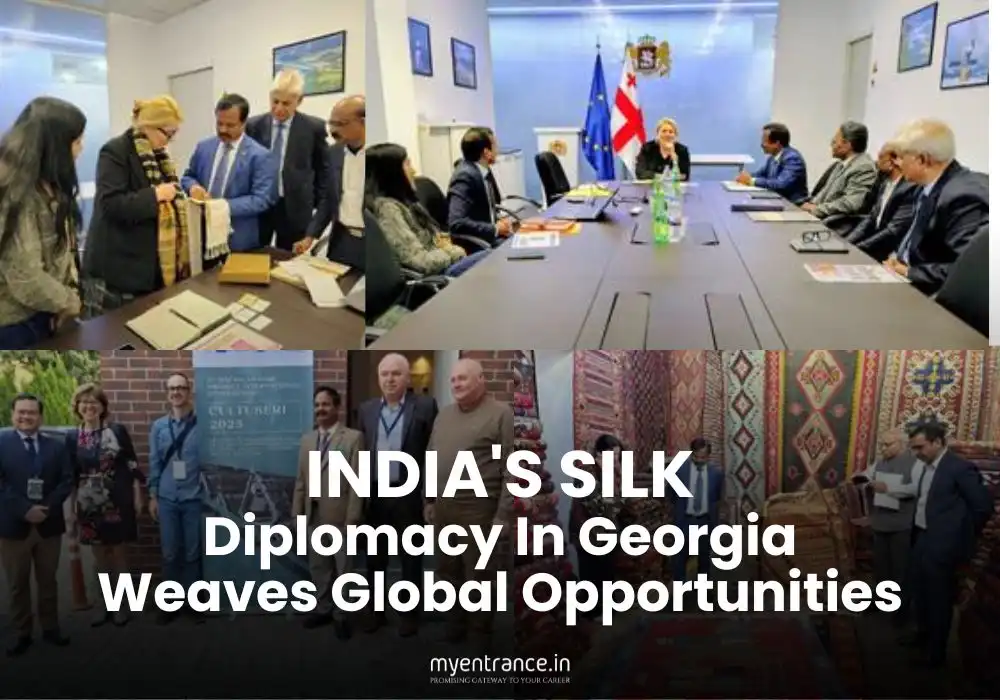
A pivotal five-day visit by a high-level Indian delegation to Georgia recently concluded, marking a significant stride in India’s efforts to enhance global cooperation in its vital textile sector. This strategic engagement, spearheaded by the Ministry of Textiles, aimed at fostering deeper ties and exploring new avenues in sericulture, textiles, apparel, and carpet trade with the Eurasian nation. The delegation, led by the distinguished Member Secretary of the Central Silk Board and Secretary General of the International Sericultural Commission, underscored India’s commitment to leveraging its rich textile heritage for economic growth and international partnerships.
The Strategic Imperative: Why Georgia?
India, as one of the world’s leading producers and exporters of silk and a significant player in the global textile landscape, continuously seeks to diversify its markets, enhance technological exchange, and strengthen its supply chains. The choice of Georgia for this multi-sectoral engagement is rooted in several strategic considerations. Georgia’s geographical location at the crossroads of Europe and Asia presents it as a potential gateway for Indian textiles into new markets, leveraging historical trade routes and emerging economic corridors. Furthermore, both nations share an interest in traditional crafts and agricultural practices, creating a fertile ground for collaboration in areas like sericulture where India possesses deep expertise. This visit represents a concerted effort in economic diplomacy, aiming not only to boost bilateral trade but also to promote India’s ‘Make in India’ initiative on a global platform, aligning with the nation’s broader foreign policy objectives of fostering robust international relations.
Unpacking the Multi-Sectoral Dialogue: What Was Discussed?
The core of the delegation’s mission was to engage in a comprehensive dialogue across various sub-sectors of the textile industry, reflecting India’s holistic approach to textile development. In sericulture, discussions focused on potential collaborations in research and development, the exchange of superior silkworm varieties, advanced rearing techniques, and effective disease control measures. Such partnerships are crucial for enhancing raw silk production globally and ensuring the sustainability of this agro-based industry that supports millions in India.
Beyond raw silk, the engagement extended to textiles and apparel. Here, the emphasis was on exploring opportunities for joint ventures, facilitating investments, and streamlining market access for Indian textile products in the Eurasian region. Both sides also delved into knowledge sharing regarding fashion trends, design innovation, and best manufacturing practices, aiming to integrate value chains and enhance the competitiveness of their respective industries.
The historic and culturally significant carpet trade also formed a vital part of the agenda. India boasts a rich heritage in carpet weaving, and the delegation sought to explore avenues for design collaboration, sourcing of raw materials, and expanding the market for exquisite Indian carpets. This segment of the discussion aimed at tapping into niche markets and promoting traditional craftsmanship on a wider international scale, ensuring the longevity and global appreciation of these intricate art forms.
Key Players and Their Roles: Who Spearheaded the Initiative?
The Indian delegation was led by high-ranking officials, signifying the strategic importance attributed to this visit by the Indian government. The Ministry of Textiles serves as the nodal agency in India for the formulation of policy and promotion of various aspects of the textile sector, from raw material production to finished products. Its leadership underscores the governmental backing for such international engagements. The Central Silk Board (CSB), an apex body under the Ministry, plays a crucial role in the research, development, and extension of sericulture and the silk industry in India. The involvement of its Member Secretary highlights the specific focus on enhancing silk-related collaborations. Furthermore, the presence of the Secretary General of the International Sericultural Commission (ISC), an intergovernmental organization dedicated to the development of sericulture and the silk industry worldwide, reinforces India’s leadership role in global silk diplomacy and its commitment to fostering international standards and cooperation in the sector.
Looking Ahead: How Will This Impact India’s Future?
The conclusion of the five-day visit is expected to pave the way for concrete outcomes, both in the short and long term. Immediately, it could lead to the signing of Memoranda of Understanding (MOUs), identification of specific collaborative projects, and initial trade agreements that facilitate smoother commercial exchanges. In the long run, such diplomatic endeavors are anticipated to result in increased trade volumes, attract foreign investments into India’s textile sector, and create significant employment opportunities. More importantly, these collaborations are poised to drive technological advancements within India’s textile industry, enhancing its efficiency and global competitiveness. Ultimately, strengthening bilateral relations with countries like Georgia through textile diplomacy reinforces India’s position as a reliable and influential global leader in the textile sector, contributing substantially to its economic prosperity and strategic international standing.
Frequently Asked Questions and Answers
Q1: What was the primary objective of the Indian Silk Delegation’s visit to Georgia?
A1: The primary objective was to strengthen cooperation between India and Georgia across multiple sectors within the textile industry, including sericulture, textiles, apparel, and carpet trade, aiming to boost economic ties and explore new avenues for growth and collaboration.
Q2: Which Indian government body led the delegation and is central to India’s sericulture sector?
A2: The high-level delegation was led by officials from the Ministry of Textiles. Specifically, the Member Secretary of the Central Silk Board (CSB) played a crucial leadership role, as the CSB is the apex body responsible for the research, development, and promotion of sericulture and the silk industry in India.
Q3: Beyond silk, which other sectors were emphasized for cooperation during the visit?
A3: In addition to sericulture, the delegation focused on strengthening cooperation in the broader textile sector, including apparel manufacturing and trade, and the carpet trade, exploring opportunities for joint ventures, market access, and knowledge exchange in these areas.
Q4: How does such a visit contribute to India’s broader economic and foreign policy objectives?
A4: The visit contributes significantly to India’s economic diplomacy by diversifying markets, attracting investments, and promoting the ‘Make in India’ initiative globally. It also strengthens bilateral relations with Georgia, aligning with India’s foreign policy goals of fostering robust international partnerships and enhancing its strategic influence in the Eurasian region.
Q5: What role does the International Sericultural Commission play in global silk trade, and how is India connected to it?
A5: The International Sericultural Commission (ISC) is an intergovernmental organization dedicated to the global development of sericulture and the silk industry, facilitating research, technology transfer, and international cooperation. India holds a prominent position within the ISC, as evidenced by the Secretary General of the Commission being part of the Indian delegation to Georgia, highlighting India’s leadership and commitment to advancing the global silk sector.





