
Translate Language
How India and WHO are Revolutionizing Global Health with AI
A Landmark Collaboration for Digital Health
The landscape of global health is rapidly evolving, with technology playing an increasingly pivotal role in shaping its future. In a significant move set to define the next era of healthcare, India’s Ministry of Electronics and Information Technology (MEIT) has joined forces with the esteemed World Health Organization (WHO) to launch an ambitious global call. This initiative invites innovators, researchers, and organizations from around the world to submit abstracts that highlight impactful and scalable applications of Artificial Intelligence (AI) within health systems. For students diligently preparing for challenging examinations such as UPSC, SSC, PSC, NID, NIFT, and other government-sector assessments, understanding the intricacies of such collaborations is absolutely crucial. These partnerships form the bedrock of current affairs and general knowledge sections, offering insights into national and international policy. This particular alliance underscores a shared, profound commitment to leveraging cutting-edge technology to effectively address complex health challenges across the globe, bringing tangible benefits to communities everywhere.
Why AI in Health Matters: A New Frontier for Public Well-being
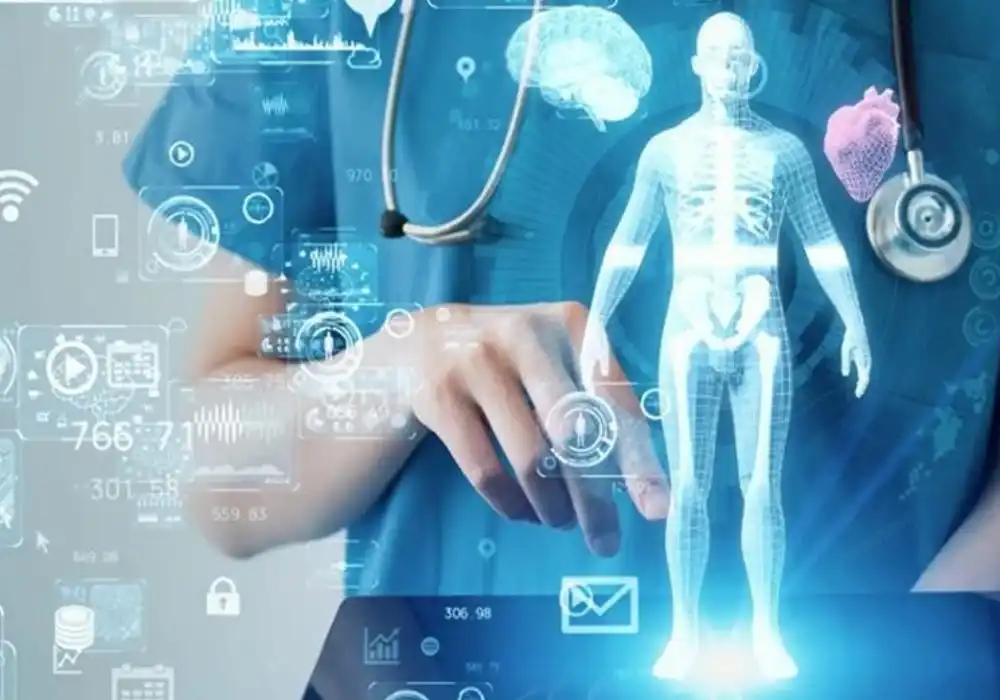
Artificial Intelligence is no longer confined to the realms of science fiction; it is an active, transformative force impacting various sectors, and healthcare stands to benefit immensely from its advancements. Imagine AI algorithms providing sophisticated assistance in the early detection of diseases, enabling highly personalized treatment plans for patients, optimizing the intricate operations of hospitals, or even drastically accelerating the discovery of new drugs and therapies. The fundamental “why” behind this global call is both simple and profound: to meticulously identify and vigorously promote real-world AI solutions that possess the genuine capability to dramatically improve public health outcomes on a large, sustainable scale. This explicit focus on “impactful and scalable” applications ensures that the selected innovations are not merely theoretical concepts but possess the practical potential for widespread adoption and deliver tangible benefits, especially critical in diverse global health settings. For competitive exam aspirants, grasping the transformative potential of AI in vital sectors like health is indispensable for composing compelling essays, excelling in descriptive papers, and engaging in informed interview discussions on topics like technology and governance.
The Global Call for Abstracts: Your Guide to Understanding the Initiative
At its core, this initiative functions as a worldwide, comprehensive search for the most compelling examples of how AI is actively making a significant difference in health. Participants are strongly encouraged to present their pioneering work, clearly articulating how Artificial Intelligence can be effectively integrated into existing health systems to solve real-world problems. The ultimate, overarching goal of this significant call is to enrich a forthcoming “Casebook on AI Health Use.” One can envision this casebook as a comprehensive, authoritative compilation of successful, real-world AI implementations in health, designed to serve as an invaluable resource for policymakers, healthcare providers, technology developers, and researchers globally. Shortlisted entries will receive the prestigious opportunity to contribute a dedicated, in-depth chapter to this pivotal publication, ensuring their work gains international recognition. For those meticulously studying current international collaborations and technological advancements, this presents a perfect, real-world example of how global bodies are proactively fostering innovation to achieve sustainable development goals and improve human lives.
Relevance for Your Competitive Exam Preparation
For aspiring candidates targeting prestigious government positions, staying comprehensively abreast of such significant developments is not just beneficial, but absolutely non-negotiable. This MEIT-WHO initiative is a prime example of a multi-faceted current affairs topic, offering rich content for various sections of competitive examinations.
* Current Affairs: Directly and highly relevant for daily news quizzes and dedicated current affairs sections that are integral parts of most competitive exams.
* General Knowledge (GK): This initiative broadly covers essential GK topics such as cutting-edge technology (AI), the structure and functions of international organizations (WHO), the roles of government ministries (MEIT), and critical public health initiatives.
* UPSC & PSC: It is critically important for Mains papers, especially General Studies Paper II (focusing on Governance, Social Justice, and International Relations) and General Studies Paper III (focusing on Technology, Economic Development, and Biodiversity). Questions on digital governance, health policy, and technological interventions are frequently asked. Furthermore, it serves as an excellent topic for essays, allowing for a deeper exploration of its implications.
* SSC & Other Government Exams: Knowledge of this initiative will be tested in the General Awareness section, assessing candidates’ understanding of recent government initiatives and significant global partnerships.
* NID & NIFT: While perhaps less direct than for other exams, understanding global trends in technology and human-centric design, even within the health sector, can profoundly inform design thinking processes, enhance analytical skills, and provide context for innovation challenges.
At myentrance.in, we are dedicated to providing comprehensive educational resources that seamlessly link daily news and global developments directly to your examination syllabus. This strategic partnership perfectly illustrates how concerted global and national efforts converge to drive crucial progress and innovation, making it an indispensable part of your structured study material.
Frequently Asked Questions (FAQs)
Q1: What is the main objective of the MEIT-WHO global call for AI in health abstracts?
A1: The primary objective is to systematically identify, meticulously document, and vigorously promote innovative, impactful, and scalable applications of Artificial Intelligence that can effectively address existing health challenges and significantly improve health systems worldwide. It aims to gather a collection of compelling real-world examples for a global casebook.
Q2: Which specific organizations are collaborating on this significant initiative?
A2: This crucial and far-reaching initiative is a collaborative endeavor between the Ministry of Electronics and Information Technology (MEIT) of India and the World Health Organization (WHO), successfully bringing together national technological expertise with unparalleled global health leadership.
Q3: Why is this news particularly important for students preparing for competitive exams like UPSC, SSC, or PSC?
A3: This initiative is exceptionally vital for exam preparation because it encompasses multiple critical syllabus points: it serves as a prominent current affairs topic, highlights significant government and international collaboration, showcases cutting-edge technological advancements (specifically AI), and delves into crucial public health policy, making it highly relevant for general knowledge, essays, and descriptive papers.
Q4: What specific opportunity will be offered to the submissions that are shortlisted through this global call?
A4: Shortlisted entries will be extended a prestigious invitation to contribute a dedicated, in-depth chapter to an upcoming “Casebook on AI Health Use.” This comprehensive casebook will serve as a global repository of successful, proven AI applications in healthcare, offering invaluable insights, best practices, and innovative solutions to a worldwide audience.
Q5: How does Artificial Intelligence specifically benefit health systems, as highlighted by this initiative?
A5: AI can significantly and profoundly benefit health systems by enhancing their capabilities across various critical areas such as enabling early and accurate disease detection, facilitating highly personalized patient treatment plans, optimizing the complex processes of healthcare delivery, streamlining administrative tasks, and greatly accelerating the pace of medical research and development, all ultimately leading to improved patient outcomes and heightened operational efficiency.

Unlimited Mock Exams
Practice unlimited mock tests anytime on myentrance.in. Easy access, detailed answers and performance insights – all from your smartphone.
Free Rapid Revision Notes
Your Ultimate Guide for Last Minute Preparation!

UPSC

SSC

KERALA PSC

NIFT
