Translate Language
How Has Jal Jeevan Mission Transformed Lives in Just 6 Years?
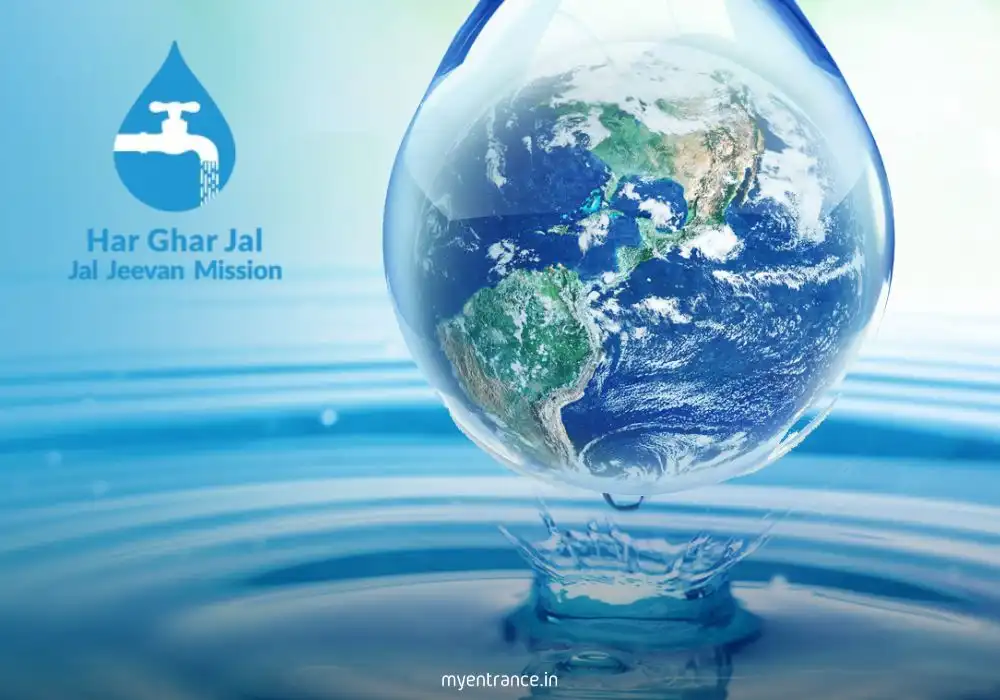
The Jal Jeevan Mission (JJM) stands as a landmark initiative in India’s quest for equitable water access. Launched in 2019, it has revolutionized rural livelihoods by delivering clean drinking water to over 15 crore households. For competitive exam candidates, understanding JJM’s socio-economic impact is crucial for both current affairs and static GK sections.
The Genesis and Scale of Jal Jeevan Mission
Six years ago, the Jal Jeevan Mission was initiated under Prime Minister Shri Narendra Modi’s leadership to address India’s drinking water crisis. In a remarkably short span, this flagship scheme has provided functional household tap connections (FHTCs) to more than 15 crore rural homes. This achievement isn’t merely infrastructural; it represents a fundamental shift in public health and dignity, especially for marginalized communities. As future civil servants preparing for exams like the SSC or UPSC, grasping such transformative government initiatives is non-negotiable. For deeper insights into similar schemes, refer to our Static GK repository.
Health, Empowerment, and Socio-Economic Impact
The mission’s success transcends numbers—it has tangibly uplifted healthcare outcomes and reduced waterborne diseases. By eliminating the need for women and children to trek long distances for water, JJM has unlocked educational opportunities and economic participation for India’s Nari Shakti (women power). The Prime Minister himself emphasized this dual benefit: enhanced dignity and better health infrastructure. Aspirants should note how such missions interlink with governance and social justice topics, frequently tested in PSC and UPSC interviews. To stay updated on evolving policies, integrate Daily Current Affairs into your study routine.
Strategic Relevance for Competitive Exams
JJM’s six-year milestone isn’t just news; it’s a case study in efficient policy execution. Exam candidates must analyze its community-driven approach, funding model, and convergence with schemes like Swachh Bharat. For instance, design-focused exams like NID DAT or NIFT GAT may explore JJM’s role in sustainable rural innovation. Additionally, its impact on SDGs (Sustainable Development Goals) makes it a recurring theme in essay papers. Test your understanding through our Daily News Quiz, which breaks down such developments into exam-ready pointers.
Connecting JJM to Your Exam Strategy
As faculty, I urge aspirants to move beyond rote learning. Dissect JJM’s outcomes—how it reduced drudgery for women, improved child nutrition, and fostered local governance. Link these to broader topics like federalism or public administration. Before D-day, revisit our Last Minute Exam Preparation Guide for tips on articulating such answers convincingly. Remember, real-world examples like JJM demonstrate analytical depth to examiners.
Read More Topics