Translate Language
How did the Idukki Dam Transform Kerala’s Electricity Generation?
The Idukki Hydro Electric Project stands as one of Kerala’s greatest engineering and energy milestones. With six generating units and the country’s largest underground powerhouse, it not only powers the state but also supports irrigation and small hydel projects. For PSC aspirants, this project is a frequent subject in questions related to Kerala’s natural resources, static GK, and energy development.
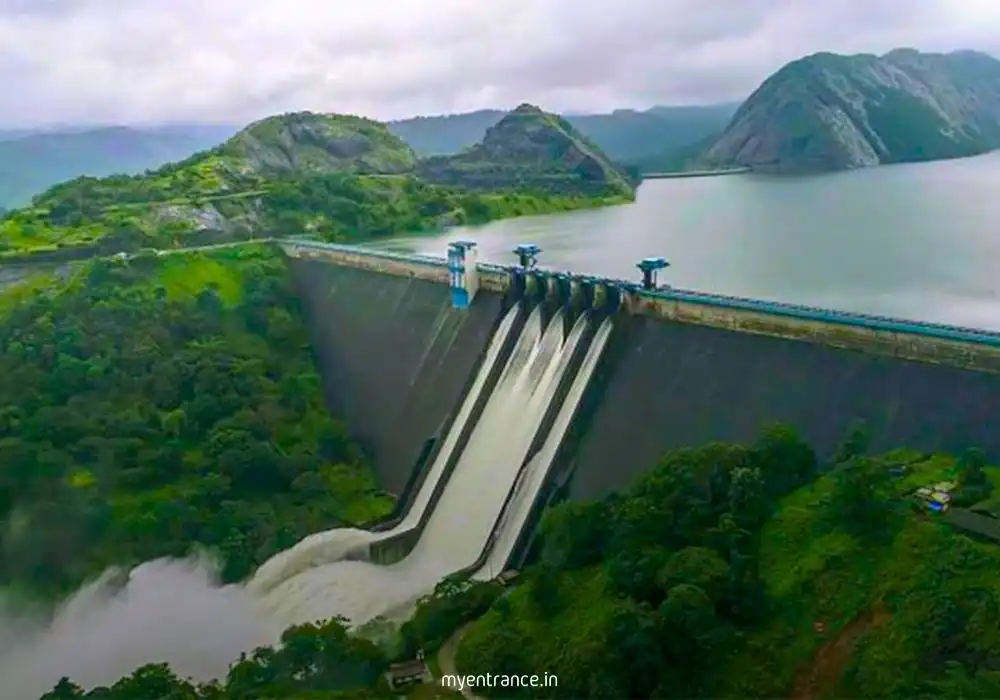
Overview of Idukki Hydro Electric Project
The Idukki Hydro Electric Project (IHEP) is Kerala’s largest hydroelectric venture, with a total installed capacity of 780 MW (6 x 130 MW). Constructed with Canadian technical collaboration, the project was officially dedicated to the nation on 12 February 1976 by Prime Minister Indira Gandhi.
This massive project is supported by three dams – the Idukki Arch Dam, Cheruthoni Dam, and Kulamavu Dam. Its unique feature is the underground powerhouse, a cavern 141 meters long, 20 meters wide, and 34.5 meters high – the biggest of its kind in India. The generated power is evacuated through a 220 kV switchyard and distributed to multiple load centers across Kerala.
👉 For mastering such static knowledge, explore our STATIC GK section.
Key Technical Features for PSC Exams
Capacity: 780 MW
Location: Idukki district, Kerala
River: Periyar
Reservoir Catchment Area: 640 sq. km
Design Head: 660 meters
Commissioning Dates: Units commissioned between 1976 and 1986
Renovation: Latest completed between 2019 and 2020
The powerhouse uses Vertical Pelton Turbines with six generating units of 130 MW each. Water released from the station flows into the Thodupuzha River via a 1.2 km tunnel, later used in the Malankara Small Hydro Project and for irrigation.
📖 Exam Tip: Such specific details often appear in PSC previous year questions, especially under Kerala geography and development topics.
Associated Dams of the Project
The Idukki Hydro Electric Project is incomplete without understanding its three key dams:
Idukki Arch Dam – India’s first arch dam, and Asia’s biggest of its kind.
Cheruthoni Dam – Serves as the spillway for water regulation.
Kulamavu Dam – Assists in water storage and diversion.
These dams together form the vast reservoir that powers the entire project.
Power Evacuation & Distribution
IHEP distributes electricity through multiple 220 kV transmission lines connecting Idukki to Pallivasal, Kalamassery, Kothamangalam, and other major stations. Additionally, 66 kV feeders supply power to Vazhathope, Thodupuzha, and Malankara.
This ensures that the generated electricity not only meets Kerala’s growing demand but also stabilizes the state’s power grid.
Relevance for Kerala PSC Aspirants
For exam preparation, the Idukki project is a repeatedly asked topic in sections covering Kerala geography, infrastructure, and power sector. Aspirants should focus on:
Installed capacity and number of units
Date of commissioning and renovation
Name of dams associated
Underground powerhouse uniqueness
Water usage for irrigation and small hydel projects
To stay updated, practice with our DAILY CURRENT AFFAIRS and DAILY NEWS QUIZ to strengthen your preparation.
For last-minute revision, do not miss our LAST MINUTE PREPARATION GUIDE.
The Idukki Hydro Electric Project is more than a power station – it is a symbol of Kerala’s progress in sustainable energy. From its engineering brilliance to its contribution in irrigation and rural electrification, it remains one of the most exam-relevant topics for PSC aspirants. Remember, questions can be both fact-based (capacity, date, dams) and conceptual (importance in Kerala’s power sector). Hence, revise thoroughly before the exam.
Read More Topics