
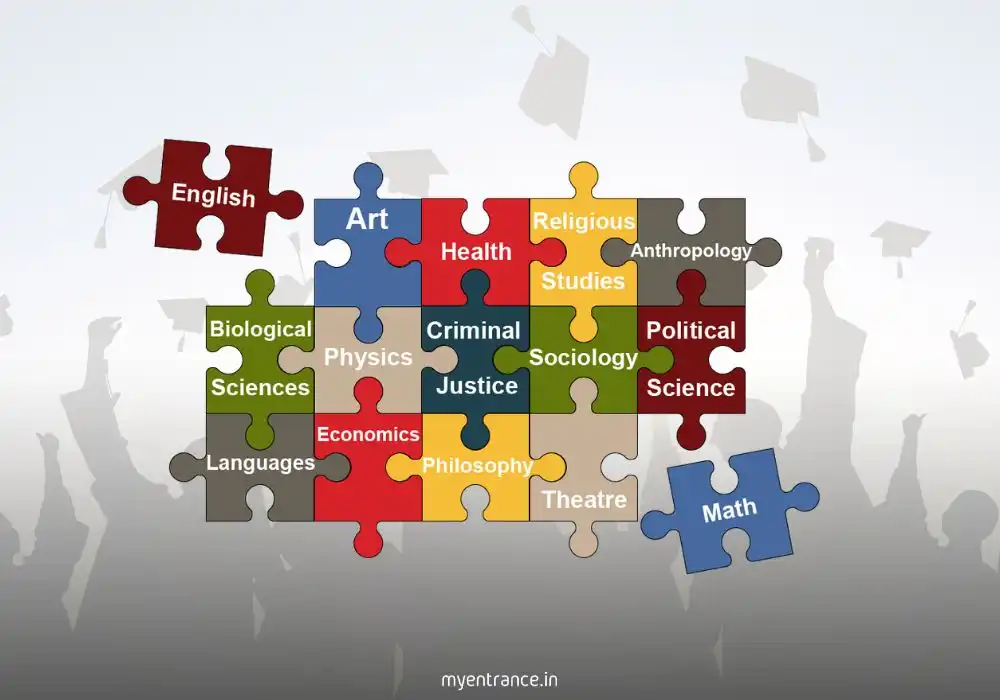
In an educational landscape increasingly focused on specialized vocational training and high-stakes competitive examinations, the enduring value of a liberal arts education often remains overlooked. However, for aspiring candidates aiming for the pinnacle of careers in government services, design, or public administration through exams like the UPSC, SSC, PSC, NID, or NIFT, a robust foundation in liberal arts could very well be their secret weapon, offering a depth of understanding and a breadth of skills that transcend mere rote learning. It’s a pedagogical approach that has long been championed by leading institutions globally, celebrated for fostering intellectual curiosity and preparing individuals not just for a job, but for a multifaceted life of continuous learning and critical engagement.
The Essence of Liberal Arts: Beyond Disciplinary Silos
At its core, a liberal arts education is designed to cultivate a comprehensive understanding of the world, nurturing critical thinking, effective communication, and problem-solving abilities across a diverse range of disciplines. Unlike highly specialized programs, it encourages students to explore subjects from the humanities, social sciences, and natural sciences, fostering connections between seemingly disparate fields. Imagine delving into philosophy one semester, then economics, followed by literature and environmental science. This interdisciplinary approach inherently broadens one’s general knowledge base, sharpens analytical faculties, and refines the ability to articulate complex ideas – skills that are absolutely indispensable for navigating the varied sections of examinations like the Civil Services Exam. It’s about learning *how* to think, not just *what* to think, equipping individuals with a versatile intellectual toolkit.
Daily news quiz & key pointers: Make it a habit to stay updated with our gk practice tests for consistent learning.
Cultivating the Competitive Advantage: Skills for Success
For aspirants eyeing competitive exams, the benefits of a liberal arts background extend far beyond academic enrichment. Consider the UPSC Civil Services Examination, which demands a profound grasp of history, geography, polity, economy, ethics, and current affairs. A liberal arts graduate, having engaged deeply with these subjects from multiple perspectives, often possesses an innate advantage in structuring essays, dissecting complex policy issues, and formulating nuanced arguments. Their exposure to diverse viewpoints and historical contexts allows for a richer, more comprehensive approach to General Studies papers. Similarly, for design entrance exams like NID and NIFT, which emphasize creativity, critical observation, and problem-solving, the holistic development fostered by liberal arts – particularly in areas like art history, cultural studies, and even psychology – can significantly enhance a candidate’s conceptual thinking and ability to innovate.
Moreover, the emphasis on written and oral communication in liberal arts programs directly translates into stronger performance in descriptive papers and personality tests. The continuous engagement with extensive reading, research, and argumentative writing hones the clarity, conciseness, and persuasiveness required to impress evaluators. This is not merely about accumulating facts; it is about the synthesis of knowledge, the development of an informed perspective, and the capacity to express that perspective compellingly – attributes that are highly valued in any demanding professional sphere.
Static GK guide: Many toppers recommend this definitive guide to static general knowledge.
A Holistic Pathway to Enduring Success
Choosing a liberal arts path isn’t about shying away from competition; it’s about building a robust, resilient intellectual foundation that serves you throughout your career and beyond. It teaches adaptability, intellectual humility, and the critical skill of learning how to learn – qualities that are paramount in an ever-evolving world. For students preparing for SSC, PSC, or other government examinations, the comprehensive general knowledge and critical reasoning skills honed in a liberal arts environment provide a sturdy bedrock. It encourages a deeper engagement with current affairs, an analytical approach to daily news, and a contextual understanding of static general knowledge – all essential components of myentrance.in’s core offerings.
In essence, a liberal arts education is an investment in your intellectual capital, preparing you not just to clear examinations, but to excel in demanding roles that require more than just subject-matter expertise. It fosters leaders who can think critically, adapt swiftly, and communicate effectively, embodying the very qualities sought after in the country’s most prestigious services.





