
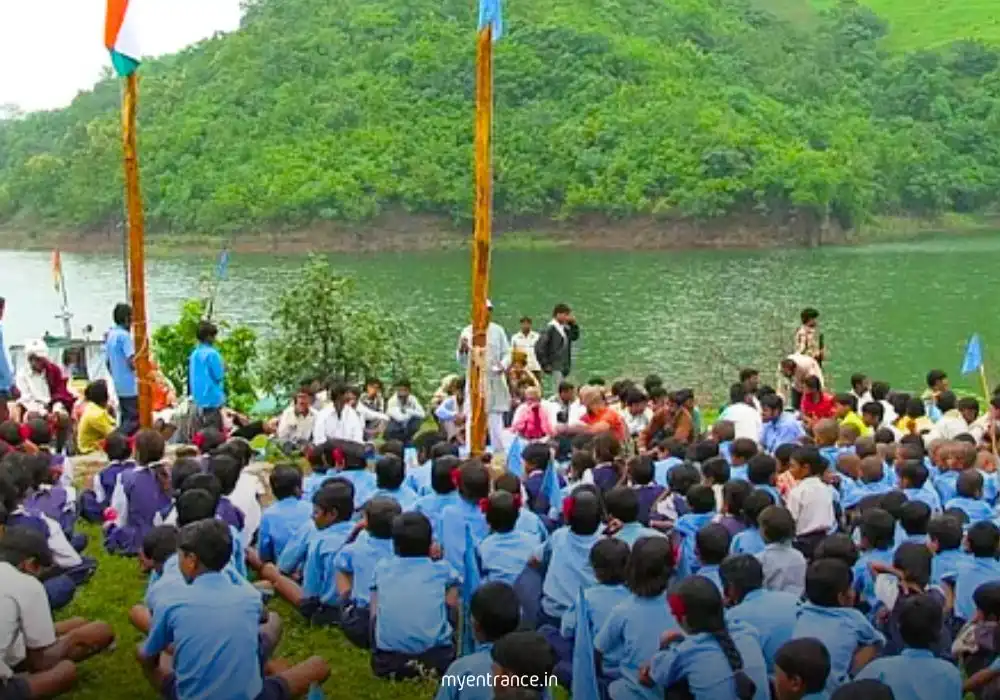
A New Dawn for Tribal Education in India
Education stands as a cornerstone for societal progress and individual empowerment. Recognizing this fundamental truth, the Indian government has consistently striven to ensure equitable access to quality education for all its citizens, with a special focus on vulnerable communities. Among these, the tribal population holds a significant place, and their educational upliftment is a national priority. It is in this spirit that a transformative step has been taken recently, promising to usher in an era of modern, high-quality learning for thousands of tribal students across the nation. This initiative not only addresses a critical social need but also presents a crucial development for aspirants preparing for prestigious examinations like UPSC, SSC, PSC, NID, NIFT, and other government service roles, as it reflects key aspects of government policy, social welfare, and current affairs.
The Landmark Initiative: What’s Happening and Why?
In a significant move towards educational equity, the Ministry of Tribal Affairs has entered into a crucial Memorandum of Understanding (MoU) with Coal India Limited (CIL). This partnership marks a pivotal moment, as it aims to modernize a substantial number of Eklavya Model Residential Schools (EMRS). Specifically, 76 Eklavya Schools are set to undergo a comprehensive transformation, moving beyond basic facilities to embrace modern infrastructure and learning methodologies. This initiative is a direct response to the need for enhancing the educational landscape for tribal children, ensuring they receive an education that is not just accessible but also competitive and holistic. The core objective is to bridge the educational gap that often exists between tribal and non-tribal communities, thereby fostering an environment where every student has the opportunity to thrive and excel.
Objectives and Vision: Why Modernize Eklavya Schools?
The decision to modernize these Eklavya Schools stems from a clear vision: to provide a nurturing and advanced learning environment that empowers tribal students to reach their full potential. This initiative aims to address several key challenges. Firstly, it seeks to upgrade the physical infrastructure of these schools, transforming them into state-of-the-art campuses equipped with modern classrooms, well-stocked libraries, advanced science laboratories, and robust sports facilities. Secondly, there is a strong focus on integrating technology into the learning process. This includes setting up computer labs, providing internet access, and implementing digital learning tools to ensure students are abreast of the latest educational trends and digital literacy skills essential for the 21st century. Furthermore, the modernization is not just about buildings and technology; it’s also about enhancing the quality of education through improved teaching methodologies, teacher training programs, and a curriculum that promotes critical thinking, creativity, and skill development relevant to future career paths. The ultimate goal is to ensure that students from EMRS are well-prepared to compete in various entrance examinations and secure meaningful employment, contributing positively to society.
The ‘How’: Collaboration and Impact on Education
The execution of this ambitious project hinges on the collaborative synergy between the Ministry of Tribal Affairs, the primary government body responsible for tribal welfare, and Coal India Limited, a leading Public Sector Undertaking. This partnership exemplifies how corporate social responsibility can play a vital role in national development initiatives. Coal India Limited’s financial and logistical support will be instrumental in funding the modernization efforts, ensuring that the necessary resources are allocated effectively and efficiently. This joint effort underscores the government’s commitment to leveraging both public and corporate sectors for social upliftment. For students preparing for government exams, understanding such collaborative models is essential, as they frequently feature in policy-related questions, current affairs, and case studies. The impact of this modernization will be far-reaching, directly benefiting thousands of tribal students by providing them with an education that rivals urban institutions, thereby opening doors to higher education and diverse career opportunities previously out of reach.
Beyond the Classroom: Relevance for Government Exams
For aspirants targeting civil services and other government examinations, this initiative is more than just a piece of news; it’s a living example of government policy in action. Questions related to tribal welfare, educational reforms, government schemes like Eklavya Model Residential Schools, public-private partnerships (or government-PSU partnerships in this case), and social justice are integral components of general knowledge, current affairs, and even essay papers. Understanding the ‘why,’ ‘what,’ and ‘how’ of such initiatives provides valuable insights into the government’s approach to inclusive development. Myentrance.in, with its comprehensive resources, helps you connect these real-world developments to your exam preparation, offering daily news quizzes, static general knowledge, and detailed current affairs analysis, enabling you to grasp the broader implications of such policies and articulate informed answers in your examinations. This modernization project is a testament to India’s ongoing commitment to ‘Sabka Saath, Sabka Vikas, Sabka Vishwas’ – collective effort, inclusive growth, and universal trust – a principle often tested in various examination contexts.
Frequently Asked Questions (FAQs)
1. What are Eklavya Model Residential Schools (EMRS)?
EMRS are government-run residential schools specifically established to provide quality education to Scheduled Tribe (ST) children in tribal areas. They aim to offer education from Class VI to XII, covering academics, sports, and skill development, ensuring holistic growth.
2. Which government bodies are involved in the recent modernization initiative for Eklavya Schools?
The Ministry of Tribal Affairs, which is the nodal ministry for tribal welfare and education, has partnered with Coal India Limited (CIL), a major public sector undertaking, to undertake the modernization of these schools.
3. Why is the modernization of Eklavya Schools considered important for tribal students?
The modernization is crucial because it aims to provide state-of-the-art infrastructure, integrate modern technology like digital learning tools, and enhance the overall quality of education. This helps bridge the educational gap, prepare tribal students for higher education and competitive exams, and empower them for better career opportunities.
4. How does this initiative relate to current affairs and government exam preparation?
This initiative is highly relevant for government exams as it falls under government schemes, social welfare, tribal development, and public-private partnerships (or government-PSU collaboration). Aspirants can expect questions on such policies in current affairs, general knowledge, and essay papers for exams like UPSC, SSC, and PSC.
5. What kind of improvements can be expected in the modernized Eklavya Schools?
The modernization is expected to bring improvements in physical infrastructure (modern classrooms, labs, libraries, sports facilities), technological integration (computer labs, internet, digital learning), and educational quality (improved teaching methods, teacher training, skill-based curriculum).





