
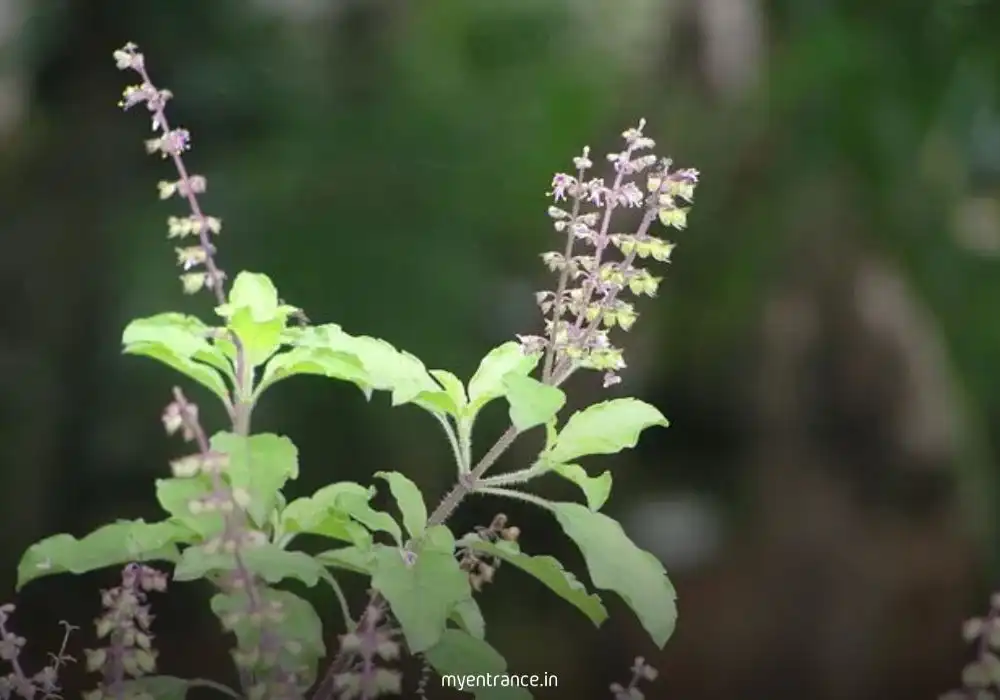
Introduction: The Revered Plant in Focus
In the vast tapestry of Indian tradition and holistic health, one plant stands out with unparalleled significance: Tulsi. Known globally as Holy Basil, this humble herb transcends its botanical identity to embody a profound cultural, spiritual, and medicinal legacy. For aspirants preparing for demanding examinations like UPSC, SSC, PSC, NID, NIFT, and other government-sector assessments, understanding Tulsi goes beyond mere botanical classification; it delves into an essential component of static general knowledge, current affairs, and even traditional science that frequently appears in question papers. Let us embark on a comprehensive exploration of Holy Basil, dissecting its importance, applications, and the invaluable knowledge it offers.
What Exactly is Holy Basil (Tulsi)?
At its core, Tulsi, scientifically known as *Ocimum sanctum* or *Ocimum tenuiflorum*, is an aromatic perennial plant belonging to the mint family, Lamiaceae. While its botanical name might sound complex, its English common name, Holy Basil, perfectly captures its essence. It’s distinct from the sweet basil used in Italian cuisine, possessing a unique pungent, spicy, and sometimes peppery flavour. Characterised by its small, often purplish-green leaves, delicate flowers, and woody stems, Tulsi is a ubiquitous sight in Indian households, temples, and traditional gardens. Its widespread presence is not accidental but a testament to centuries of ingrained belief and practical application.
Why Does Holy Basil Hold Such Immense Importance?
The significance of Holy Basil stems from a multifaceted perspective, encompassing both ancient wisdom and modern scientific validation.
* Spiritual and Cultural Pillar: Within Hindu mythology and culture, Tulsi is considered an incarnation of the goddess Lakshmi and a beloved of Lord Vishnu. It is revered as a sacred plant, often worshipped twice a day, and its presence in a home is believed to invite peace, prosperity, and ward off evil. Religious ceremonies, daily prayers, and festivals frequently incorporate Tulsi leaves, making it an indispensable part of India’s spiritual landscape. This cultural depth often forms the basis for general knowledge questions.
* Ayurvedic Powerhouse: From an Ayurvedic standpoint, Holy Basil is classified as a “Rasayana” – an herb that promotes overall health, longevity, and a sense of well-being. It is lauded for its adaptogenic properties, meaning it helps the body adapt to stress, whether physical, environmental, or psychological. For thousands of years, practitioners have turned to Tulsi for its remarkable ability to balance various bodily functions and enhance resilience.
Where is Holy Basil Predominantly Found and Utilized?
While native to the Indian subcontinent, Tulsi has spread its roots across Southeast Asia, thriving in tropical and subtropical climates. Its cultivation is relatively straightforward, making it accessible even in small domestic settings.
* Household Remedy: In nearly every Indian household, Tulsi serves as a primary ingredient in traditional home remedies. From concocting soothing teas to alleviate coughs and colds to preparing poultices for skin ailments, its practical applications are diverse and widely trusted.
* Religious Practices: As mentioned, its role in religious rituals is paramount. Garlands made of Tulsi beads are worn, and its wood is often used in prayer beads (malas), signifying purity and devotion.
* Modern Wellness: Beyond traditional uses, Holy Basil has gained traction in the global wellness industry. It is now a common ingredient in herbal supplements, essential oils, and health drinks, recognised for its broad spectrum of beneficial compounds.
When is Holy Basil’s Efficacy Most Appreciated, and its History Relevant?
The historical appreciation for Tulsi dates back over 3,000 years, firmly rooted in the ancient Indian medical system of Ayurveda. Texts from this period meticulously document its properties and uses, establishing it as a foundational herb.
* Seasonal Wellness: While beneficial year-round, Tulsi’s properties are particularly valued during seasonal changes, especially in monsoon and winter, when respiratory illnesses are common. Its immune-boosting and anti-inflammatory effects come to the forefront during these times.
* Stressful Periods: Given its adaptogenic nature, Tulsi is increasingly sought after in modern times when stress levels are high. Consuming it regularly, perhaps as a tea, is believed to help individuals cope better with the pressures of daily life and competitive exam preparations.
How Does Holy Basil Offer Such Diverse Benefits?
The efficacy of Holy Basil lies in its rich phytochemical profile, boasting compounds like eugenol, ursolic acid, rosmarinic acid, and various flavonoids and polyphenols. These compounds work synergistically to confer a wide array of health benefits:
* Stress Reduction and Mental Clarity: As an adaptogen, Tulsi helps regulate cortisol levels, the body’s primary stress hormone. This leads to reduced anxiety, improved mood, and enhanced cognitive function, which is particularly beneficial for students undergoing intense study periods.
* Immune System Support: Its potent antimicrobial, antiviral, and antifungal properties strengthen the body’s natural defenses, helping to prevent infections and expedite recovery from illnesses.
* Anti-inflammatory Action: Chronic inflammation is at the root of many diseases. Tulsi’s compounds exhibit significant anti-inflammatory effects, offering relief from various inflammatory conditions.
* Respiratory Health: Traditionally used for respiratory ailments, Holy Basil helps clear congestion, soothe airways, and alleviate symptoms of asthma, bronchitis, and common colds due to its expectorant and antitussive properties.
* Antioxidant Power: Rich in antioxidants, Tulsi combats free radicals in the body, which are responsible for cellular damage and aging, thereby promoting overall cellular health and vitality.
* Digestive and Skin Health: It can support healthy digestion and, when applied topically, helps in treating skin infections and promoting a clear complexion.
For competitive exam aspirants, understanding Holy Basil is not just about memorizing facts. It’s about appreciating the holistic knowledge embedded in India’s heritage, a topic frequently tested in general awareness, science, and culture sections. Its relevance spans history, biology, medicine, and social studies, making it a truly ‘holy’ grail of knowledge.
Frequently Asked Questions (FAQs)
Q1: What is the most common English name for Tulsi?
A1: The most common and widely accepted English name for Tulsi is Holy Basil.
Q2: Why is Tulsi considered a sacred plant in India?
A2: Tulsi is revered as sacred in India primarily due to its deep roots in Hindu mythology and spirituality. It is believed to be an earthly manifestation of the goddess Lakshmi and a favourite of Lord Vishnu, symbolising purity, devotion, and auspiciousness.
Q3: What are some key medicinal benefits of Holy Basil according to Ayurveda?
A3: According to Ayurveda, Holy Basil is a potent adaptogen, helping the body manage stress. It is widely used for boosting immunity, reducing inflammation, supporting respiratory health, and exhibiting antimicrobial and antioxidant properties, promoting overall well-being.
Q4: Is Holy Basil mentioned in ancient Indian texts, and how has its use evolved?
A4: Yes, Holy Basil’s medicinal and spiritual properties are extensively documented in ancient Ayurvedic texts dating back thousands of years. While traditionally used in home remedies and religious rituals, its use has evolved to include modern herbal supplements, teas, and wellness products, reflecting its enduring and globally recognized benefits.
Q5: How can knowledge about Tulsi be relevant for competitive examinations like UPSC or SSC?
A5: Knowledge about Tulsi is highly relevant for competitive examinations as it frequently appears in sections on Indian culture, static general knowledge, environmental science (botany), traditional medicine (Ayurveda), and current affairs (if new research is published). Questions may cover its English name, cultural significance, medicinal properties, and historical context.





