
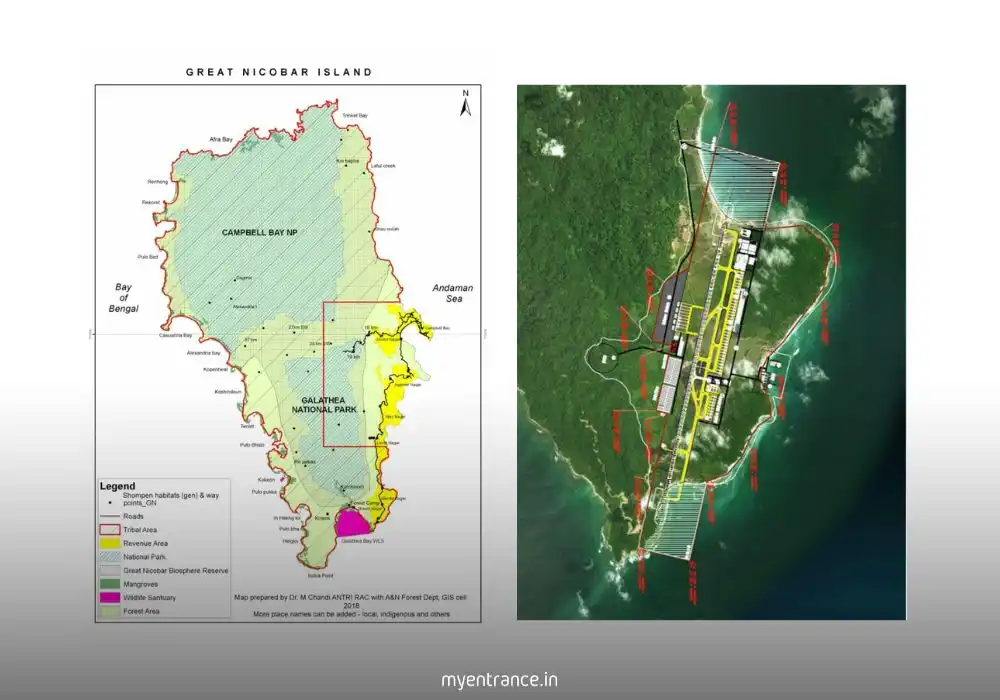
India is embarking on an ambitious journey to transform its southernmost tip, the Great Nicobar Island, into a pivotal strategic and economic hub. This monumental undertaking, known as the Great Nicobar Island Project, has been championed by Prime Minister Narendra Modi as an initiative of profound national importance, poised to redefine India’s role in the dynamic Indian Ocean Region (IOR). The vision extends beyond mere infrastructure development, aiming to establish a robust maritime and air connectivity nexus that significantly bolsters India’s strategic presence and economic prowess. Union Environment Minister Bhupender Yadav has underscored the project’s comprehensive nature, highlighting its integrated development plan alongside meticulous ecological safeguards designed to protect the island’s unique biodiversity. If you’re preparing for SSC CGL or CHSL, explore our SSC Exam Preparation Resources for success.
Why This Project Matters: Strategic Imperatives and National Interest
The rationale behind the Great Nicobar Island Project is deeply rooted in India’s long-term strategic and defense objectives. Situated at a critical juncture in the Indian Ocean, the island lies close to vital international shipping lanes, including the global East-West shipping corridor and the Malacca Strait. This geographical advantage makes it an unparalleled location for monitoring maritime traffic, enhancing regional security, and projecting India’s influence across the Indo-Pacific. From a defense perspective, developing robust air and naval infrastructure here is crucial for safeguarding India’s territorial integrity and maritime interests, offering a strategic counterbalance in a region witnessing increasing geopolitical activity. Economically, establishing a major transshipment port can attract international trade, reduce logistics costs for Indian businesses, and position India as a key player in global supply chains, aligning perfectly with the nation’s “Act East” policy.
What the Project Encompasses: A Holistic Development Plan
The Great Nicobar Island Project is not a singular endeavor but an integrated development scheme comprising several key components designed to create a self-sustaining and high-impact ecosystem. At its core is the establishment of an international container transshipment port at Galathea Bay. This deep-sea port is envisioned to handle large cargo vessels, competing with established hubs like Singapore and Colombo, and serving as a critical node for trade between Asia, Africa, and beyond. Alongside the port, the plan includes a greenfield international airport, which will significantly enhance air connectivity for both strategic and commercial purposes, facilitating faster movement of goods and personnel. Complementing these are a gas-based power plant to ensure energy security for the island’s burgeoning infrastructure and a comprehensive township development, complete with essential amenities, to support the workforce and residents. This multi-faceted approach underscores a commitment to holistic growth, balancing economic ambition with foundational support systems.
Navigating Environmental Responsibilities: Ecological Safeguards
Recognizing the pristine and ecologically sensitive nature of Great Nicobar Island, which is a designated UNESCO Biosphere Reserve, the project places a strong emphasis on environmental protection and sustainable development. The development plan incorporates stringent ecological safeguards and has undergone rigorous environmental impact assessments to minimize its footprint on the island’s rich biodiversity. Measures include careful site selection to avoid critical habitats, comprehensive afforestation programs to compensate for any forest loss, and advanced waste management systems. The government’s approach aims to strike a delicate balance between fostering economic growth and preserving the unique flora and fauna, including endemic species and fragile marine ecosystems. This commitment to environmental stewardship is paramount, ensuring that development proceeds responsibly while protecting one of India’s most invaluable natural assets.
Expected Outcomes and the Road Ahead
The successful execution of the Great Nicobar Island Project is anticipated to yield far-reaching benefits for India. It is expected to significantly boost the nation’s maritime economy, create substantial employment opportunities for local communities and across the country, and enhance regional connectivity. By transforming Great Nicobar into a strategic economic and defense outpost, India aims to solidify its position as a responsible and influential power in the Indian Ocean Region. While the scale of the project presents considerable logistical and environmental challenges, the government’s integrated planning and focus on sustainable practices demonstrate a determined vision to realize this landmark initiative, paving the way for a more connected, secure, and prosperous India. Students often struggle with last-day stress; our Quick Revision Strategies will help you stay calm and focused.
Frequently Asked Questions (FAQs)
Q1: What is the primary objective of the Great Nicobar Island Project?
A1: The main objective is to develop Great Nicobar Island into a major maritime and air connectivity hub within the Indian Ocean Region, thereby strengthening India’s strategic defense capabilities, economic influence, and regional trade linkages.
Q2: Which key infrastructure components are planned under this ambitious initiative?
A2: The project primarily envisions an international transshipment port at Galathea Bay, a greenfield international airport, a gas-based power plant, and a comprehensive township development with associated amenities.
Q3: Why is the location of Great Nicobar Island considered strategically important for India?
A3: Great Nicobar’s proximity to major international shipping lanes, including the Malacca Strait, provides India with a crucial vantage point for maritime surveillance, trade logistics, and projecting naval power in the vital Indian Ocean.
Q4: How does the project address environmental concerns on the ecologically sensitive island?
A4: The project mandates thorough environmental impact assessments and incorporates stringent ecological safeguards, including careful site selection, compensatory afforestation, and advanced waste management, to balance development with the preservation of the island’s unique biodiversity, which is a UNESCO Biosphere Reserve.
Q5: What potential economic benefits is India expecting from the Great Nicobar Island Project?
A5: India anticipates significant economic benefits such as attracting international trade, reducing logistics costs, creating numerous job opportunities, boosting the maritime economy, and establishing the nation as a key player in global supply chains.





