
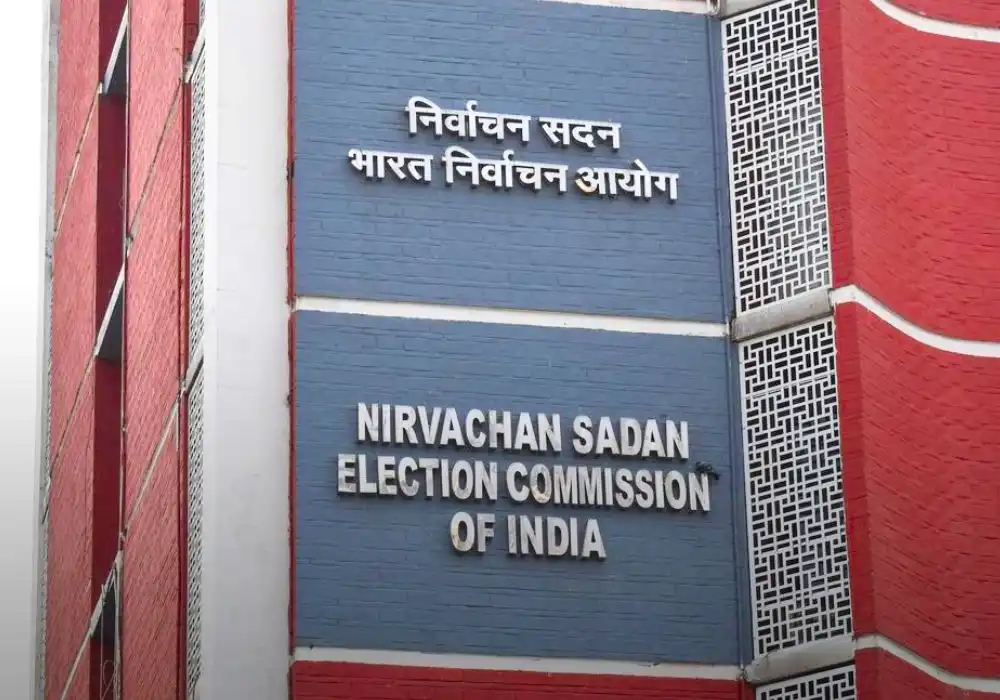
The Election Commission of India (ECI), the bedrock of our democratic process, recently underscored its commitment to fair and accurate elections by issuing show cause notices to over a thousand Booth Level Officers (BLOs) across various regions. This decisive action, taken due to non-compliance with crucial directives, isn’t just a headline; it’s a vital lesson in public administration, governance, and current affairs for every aspiring candidate aiming for top government exams like UPSC, SSC, PSC, NID, NIFT, and others. At myentrance.in, we believe understanding such nuances is key to your success, offering comprehensive resources from interactive quizzes to daily news analysis.
The Guardians of the Electoral Roll: Understanding the Booth Level Officer (BLO)
At the very grassroots of our colossal electoral system lies the Booth Level Officer (BLO). But what exactly is a BLO, and why are they so indispensable? A BLO is typically a local government official, often a teacher or patwari, designated to a specific polling booth area. Their primary responsibility is to ensure the accuracy and completeness of the electoral roll – the voter list – for their assigned booth. They act as a crucial link between the Election Commission and the voters. From door-to-door verification of electors, identifying eligible new voters, processing corrections, deletions, and additions, to distributing voter slips before elections, the BLO’s role is multifaceted and critical. For anyone preparing for Static General Knowledge or Public Administration papers, understanding the meticulous structure of the ECI and the roles of its functionaries like BLOs is fundamental. They are, in essence, the unsung heroes who ensure every eligible citizen’s right to vote is accurately captured.
When Authority Steps In: The Election Commission’s Recent Directives
The recent action by the Election Commission highlights its unwavering commitment to maintaining the integrity of the electoral process. The recruitment of Booth Level Officers commenced several months ago, but it was observed that a significant number, exceeding a thousand individuals, failed to assume their assigned duties by the stipulated deadline. This led the ECI to issue show cause notices, a formal administrative step requiring the defaulting officers to explain their failure to comply. This step serves as a stern reminder of accountability within the public service. When an institution as pivotal as the ECI issues such directives, it reflects a serious concern about potential administrative laxity that could, in turn, compromise the fairness and accuracy of future elections. This scenario directly ties into your Current Affairs and Governance syllabus, demonstrating how administrative machinery is kept in check to uphold democratic principles.
Beyond the Notice: Decoding Compliance and Governance for Your Exams
The implications of BLO non-compliance extend far beyond mere administrative oversight. An incomplete or inaccurate electoral roll can disenfranchise eligible voters, create confusion, and even lead to disputes during elections, thereby undermining public trust in the democratic process. The Election Commission’s swift action, therefore, is not just about penalizing individuals but about safeguarding the foundational pillars of our democracy. For aspirants of UPSC and State PSC examinations, this incident offers a practical case study in accountability, administrative ethics, and the robust functioning of constitutional bodies. It underscores the importance of adherence to duty for public officials and the mechanisms in place to enforce such compliance. Understanding the ‘why’ behind such actions – the need to ensure free, fair, and transparent elections – is far more valuable than simply knowing ‘what’ happened. At myentrance.in, our interactive examinations and detailed answers often feature questions derived from such real-world scenarios, preparing you for the analytical depth required.
MyEntrance.in: Your Navigator Through Current Affairs and Governance
Staying informed about such developments is paramount for competitive exam success. At myentrance.in, we curate daily news updates, offer daily news quizzes, and provide in-depth analyses of current affairs to help you connect the dots between news headlines and your syllabus. Our comprehensive study materials cover every aspect from Static General Knowledge to examination tips, ensuring you are well-prepared to tackle questions on topics like the Election Commission, electoral reforms, public administration, and governance. We empower you to not just memorize facts but to understand their broader context and implications, giving you an edge in competitive examinations where critical thinking and conceptual clarity are highly valued.
Frequently Asked Questions (FAQs)
1. What is a Booth Level Officer (BLO) and what are their primary responsibilities?
A Booth Level Officer (BLO) is a local government official, often a teacher or patwari, assigned to a specific polling booth area. Their main responsibilities include maintaining and updating the electoral roll (voter list), conducting door-to-door verification of electors, processing applications for additions, deletions, and corrections in voter details, and distributing voter information slips before elections. They serve as a crucial interface between the Election Commission and the voters at the grassroots level.
2. Why is the role of a BLO considered so important for India’s democratic process?
BLOs are vital for ensuring the accuracy and completeness of electoral rolls, which is the foundation of free and fair elections. An accurate voter list prevents disenfranchisement of eligible voters and minimizes electoral malpractices. By regularly updating voter information, they help reflect demographic changes and ensure that every eligible citizen has the opportunity to exercise their right to vote, thereby strengthening the integrity of the democratic process.
3. What does a “show cause notice” issued by the Election Commission signify in this context?
A “show cause notice” is a formal administrative or legal directive issued to an individual or entity, requiring them to explain or justify why a particular action should not be taken against them. In this context, the Election Commission issued these notices to BLOs who failed to report for duty or comply with directives, demanding an explanation for their non-compliance, indicating potential disciplinary action if the explanation is unsatisfactory.
4. How does an incident like BLO non-compliance impact the democratic process or public administration?
Non-compliance by BLOs can severely impact the democratic process by leading to an inaccurate or incomplete electoral roll. This can result in eligible voters being left out, ineligible voters being included, or incorrect voter information, all of which undermine the fairness and transparency of elections. From a public administration perspective, it highlights a lapse in accountability and official duty, requiring corrective action to ensure the efficient functioning of government machinery.
5. Why is this news about BLOs and the Election Commission relevant for competitive exam preparation like UPSC or SSC?
This news is highly relevant for competitive exams for several reasons. It falls under Current Affairs, providing a real-world example of governance and administrative issues. For UPSC and PSC exams, it’s a case study for topics like Public Administration (roles of government functionaries), Polity (functions of the Election Commission, electoral reforms), and Ethics (accountability, dereliction of duty). For SSC and other government exams, it tests general awareness about the Indian electoral system and the functioning of constitutional bodies, often appearing in daily news quizzes or general knowledge sections.





