
National infrastructure development projects often appear in the current affairs and general knowledge sections of competitive examinations like UPSC, SSC, PSC, and other government recruitment tests. Understanding the ‘why,’ ‘what,’ ‘where,’ ‘when,’ and ‘how’ of such initiatives is crucial for aspirants. Recently, a significant railway infrastructure project focusing on Eastern India received a major green light, marking a pivotal moment for regional connectivity and economic growth. Let’s delve into the details of this ambitious undertaking and its implications.
The Project Unveiled: Scope and Investment
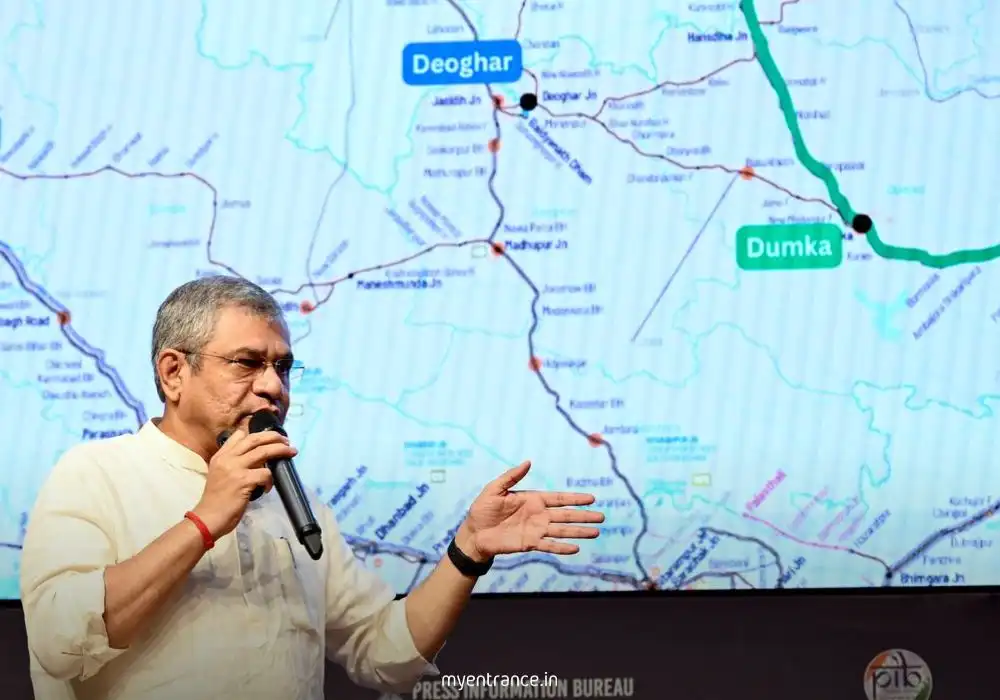
At the heart of this development is the proposed doubling of the Bhagalpur–Dumka–Rampurhat single railway line section. This isn’t merely about adding tracks; it’s about fundamentally transforming a vital transport corridor. The project spans an impressive 177 kilometres, designed to enhance the existing single-line capacity across key regions. To bring this vision to fruition, the estimated financial outlay is approximately 3,169 crore rupees, a substantial investment reflecting the government’s commitment to robust infrastructure. This substantial funding commitment underscores the strategic importance of modernizing and expanding India’s railway network, which is the lifeline of its economy and populace.
Geographical Footprint and Strategic Significance
The Bhagalpur–Dumka–Rampurhat railway stretch holds immense strategic value due to its geographical footprint. It traverses three crucial states: Bihar, Jharkhand, and West Bengal. Bihar’s Bhagalpur, known for its silk industry and historical significance, will see improved links. Jharkhand’s Dumka, a prominent district, stands to gain significantly in terms of connectivity. Further east, West Bengal’s Rampurhat, an important pilgrimage and commercial hub, will also experience enhanced accessibility. This project, therefore, isn’t confined to a single state but acts as a critical inter-state connector, fostering integration and facilitating smoother movement of people and goods across this diverse region. Its location in Eastern India also aligns with broader national objectives of balancing development across all regions.
Why This Doubling Project Matters: Objectives and Benefits
The primary objective behind converting a single railway line into a double line is to drastically increase the carrying capacity and operational efficiency of the route. A single line often acts as a bottleneck, limiting the number of trains that can run simultaneously and leading to delays. By doubling the tracks, Indian Railways aims to facilitate faster movement of both passenger and freight trains. This will significantly reduce travel times, improve punctuality, and alleviate congestion on the existing network. From an economic perspective, enhanced rail connectivity translates to reduced logistics costs for industries, quicker transportation of raw materials and finished goods, and improved market access for agricultural produce. This, in turn, can spur industrial growth, create employment opportunities, and boost regional trade and tourism, contributing directly to the socio-economic upliftment of the areas it serves. For local communities, it means easier access to essential services, educational institutions, and job markets in urban centres.
The Approval Process: Role of Government Bodies
Such large-scale national infrastructure projects undergo a rigorous approval process. This particular project received clearance from the Cabinet Committee on Economic Affairs (CCEA), an influential body chaired by none other than the Prime Minister. The CCEA is responsible for reviewing and approving major economic initiatives, investments, and policies of the government. Its approval signifies that the project has been thoroughly evaluated for its economic viability, strategic importance, and alignment with national development goals. This high-level endorsement ensures that the project receives the necessary financial and administrative support for its timely execution, highlighting the government’s top-down approach to accelerating infrastructure development across the country.
Conclusion: Exam Relevance and Future Outlook
The Bhagalpur–Dumka–Rampurhat rail line doubling project is more than just a railway expansion; it is an economic catalyst for Eastern India and a testament to the nation’s ongoing infrastructure push. For competitive exam aspirants, this project serves as an excellent case study in current affairs, geography (understanding routes and state connections), economics (impact of infrastructure on growth), and polity (role of CCEA). Staying updated on such developments not only enriches your general knowledge but also provides valuable insights into governmental priorities and national progress, which are frequently tested in various examinations. This project embodies the spirit of ‘progress through connectivity’ and promises a more vibrant future for the region it serves.
Frequently Asked Questions (FAQs)
1. What is the primary objective of the Bhagalpur-Dumka-Rampurhat rail doubling project?
The main objective is to significantly increase the railway line’s carrying capacity and operational efficiency, allowing for faster and more frequent movement of both passenger and freight trains, thereby reducing congestion and travel times.
2. Which states will directly benefit from this railway line doubling?
This crucial railway line traverses and directly benefits three Indian states: Bihar, Jharkhand, and West Bengal, enhancing connectivity and economic activity across these regions.
3. What is the estimated cost and length of this significant infrastructure project?
The project is estimated to cost approximately 3,169 crore rupees and involves the doubling of a 177-kilometre-long railway section.
4. Which high-level government body approved this major railway infrastructure project?
The project received its vital approval from the Cabinet Committee on Economic Affairs (CCEA), a powerful body that oversees and approves major economic initiatives, chaired by the Prime Minister.
5. How does this rail doubling project contribute to India’s overall economic development?
By improving connectivity, reducing logistics costs, and facilitating faster movement of goods and people, the project is expected to boost regional trade, industrial growth, and tourism, creating employment opportunities and contributing to the socio-economic upliftment of the beneficiary states.





