Translate Language
E-Passport in India: Key Features, Application Process, and Significance
The Government of India has ushered in a new era of international travel with the introduction of the e-passport. This initiative, led by the Ministry of External Affairs, aims to significantly enhance security and streamline immigration processes. For competitive exam aspirants, understanding this technological upgrade is a vital part of modern current affairs and static GK.
India’s E-Passport: A Faculty’s Breakdown for Aspirants
Hello future officers and government servants! A significant administrative and technological upgrade has been launched that you must be aware of for your Static GK and current affairs syllabus. Let’s break down India’s new e-passport in a clear, question-answer format, just like we do in our Daily Current Affairs sessions.
What Exactly is an E-Passport?
Think of an e-passport as a super-smart, secure version of your traditional passport. It seamlessly integrates physical and digital security features.
The Core Technology: It contains an embedded Radio Frequency Identification (RFID) chip and an antennae. This chip securely stores all your crucial data.
What’s Inside the Chip? It holds your personal details (name, date of birth, etc.) and, most importantly, your biometric information—fingerprints, a digital photograph, and an iris scan.
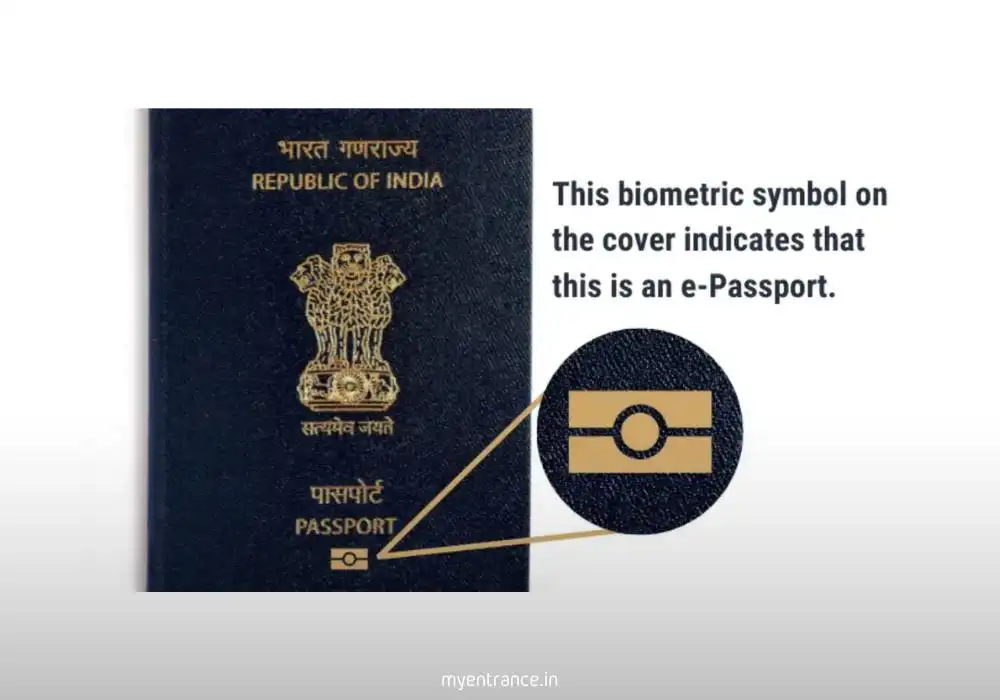
How to Identify It? Look for a distinct international symbol: a small gold-colored chip icon printed on the bottom of the front cover, right beneath the word “PASSPORT”.
Crucially, it is not a separate document but a secure, advanced iteration of the existing passport, designed to combat fraud and make global travel more efficient.
Why is the E-Passport a Major Upgrade? Key Highlights
For exams like SSC, UPSC, and Kerala PSC, you must understand the “why” behind a policy. Here’s why the e-passport is a landmark move:
Enhanced Security: The encrypted, contactless chip makes duplication or forgery extremely difficult, protecting against identity theft.
Biometric Authentication: Stored biometric data allows for quick and accurate verification of the passport holder’s identity at automated immigration gates globally.
Global Compliance: It is fully compliant with standards set by the International Civil Aviation Organization (ICAO), ensuring smooth acceptance worldwide.
Faster Immigration: Leads to quicker clearance at international airports through automated barriers that read the chip data, reducing long queues.
This move strengthens India’s passport security infrastructure, a key point for any question on governance and technology.
The Rollout Plan: Pilot to Pan-India
As per the Ministry of External Affairs, the e-passport was first introduced on a pilot basis from April 1, 2024. Currently, the facility to issue these passports is available only at a select number of passport offices across the country. The government plans a phased expansion, gradually making the service available at all centers in the coming months. Keep an eye on this rollout for updates in our Daily News Quiz.
How Can One Apply for an E-Passport? A Step-by-Step Guide
The application process remains integrated with the existing Passport Seva system. Here’s how you can apply:
Online Initiation: Visit the official Passport Seva portal. Register or log in to your account.
Form Filling: Fill out the online application form, ensuring you select the option for an e-passport.
Fee Payment: Pay the applicable fee for the e-passport service online.
Book Appointment: Schedule an appointment at your nearest Passport Seva Kendra (PSK) or Post Office Passport Seva Kendra (POPSK).
Visit the Center: On your appointment date, visit the center for document verification and biometric enrollment (photograph, fingerprints).
Pro Tip for Aspirants: Understanding such government processes is not just good for GK; it can be directly useful in administrative roles you are preparing for. For a comprehensive strategy on tackling such topics, refer to our Last Minute Exam Preparation Guide.
Conclusion: Why This Matters for Your Exam
The launch of the e-passport is a classic example of technology-driven governance, a recurring theme in papers for UPSC, SSC, and PSC. It touches upon topics like cybersecurity, international relations (ICAO), and public administration. Make a note of its features and significance. Integrate this knowledge into your Static GK arsenal and be exam-ready!
Read More Topics