
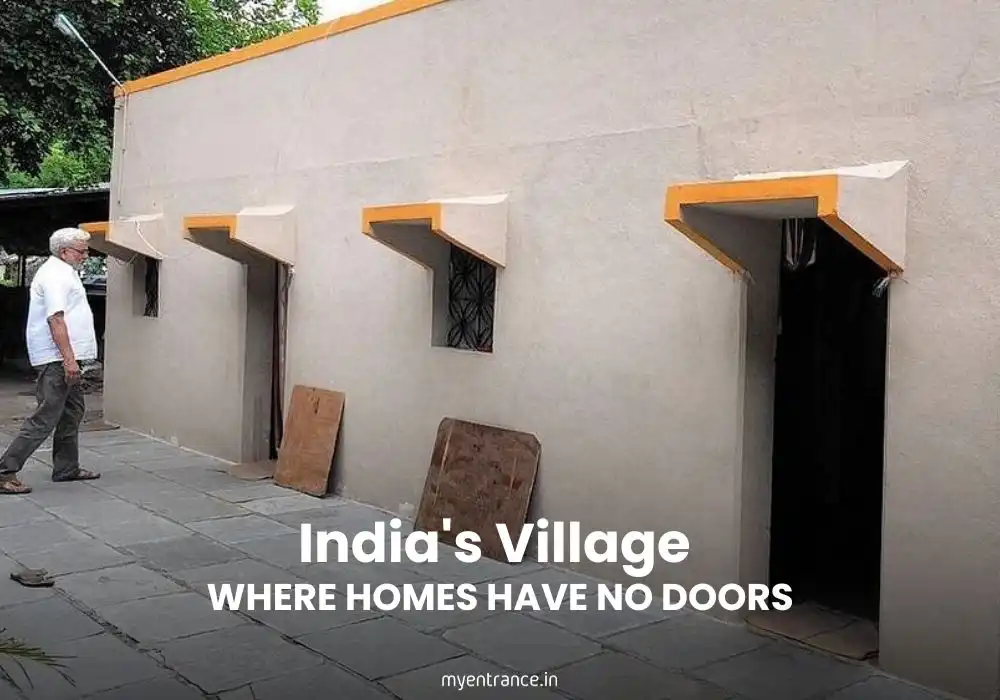
Every corner of India holds unique stories and traditions, and among them is a village that stands apart for a truly remarkable reason: its homes and establishments famously do not have doors. This extraordinary place is Shani Shingnapur, nestled in the Ahmednagar district of the vibrant state of Maharashtra. It is widely recognized across the nation, and indeed globally, as ‘The Village with No Doors,’ a title it has proudly carried for a very long time due to its distinctive and deeply rooted cultural practice.
The absence of traditional doors is not a mere architectural quirk but stems from a profound spiritual belief deeply woven into the fabric of village life. Residents attribute their unparalleled sense of security to the watchful protection of their presiding deity, Lord Shani. According to local faith, the powerful presence of Lord Shani acts as an ultimate guardian, rendering any conventional locks or barriers completely unnecessary. This unwavering conviction fosters an environment where crime, particularly theft, is believed to be virtually non-existent, and villagers live with an extraordinary level of mutual trust and peace of mind. This unique social contract, upheld by faith, ensures the safety and well-being of its inhabitants.
This unique way of life is not a recent phenomenon; it is a tradition that has been faithfully observed for several centuries.
Generations of villagers have upheld this practice, passing down the belief that any attempt to steal or commit an offense in Shani Shingnapur would incur the wrath of Lord Shani, leading to severe consequences. Consequently, houses, shops, and even the local bank in the village operate without any physical doors, relying solely on divine protection and community integrity. This makes it a fascinating case study in sociology, faith, and local governance, showcasing an unparalleled example of trust and communal harmony.
For aspirants diligently preparing for competitive examinations such as UPSC, SSC, PSC, NID, NIFT, and other government recruitment tests, understanding unique cultural aspects like Shani Shingnapur’s doorless tradition is crucial. Such facts frequently appear in the General Knowledge and Current Affairs sections, testing not just memory but also an awareness of India’s diverse heritage. Knowing the ‘what,’ ‘where,’ ‘when,’ ‘why,’ and ‘how’ behind such phenomena provides a well-rounded understanding essential for success, offering valuable insights into the country’s rich tapestry of beliefs and customs. You can easily access gk resources and quizzes by navigating our site.





