
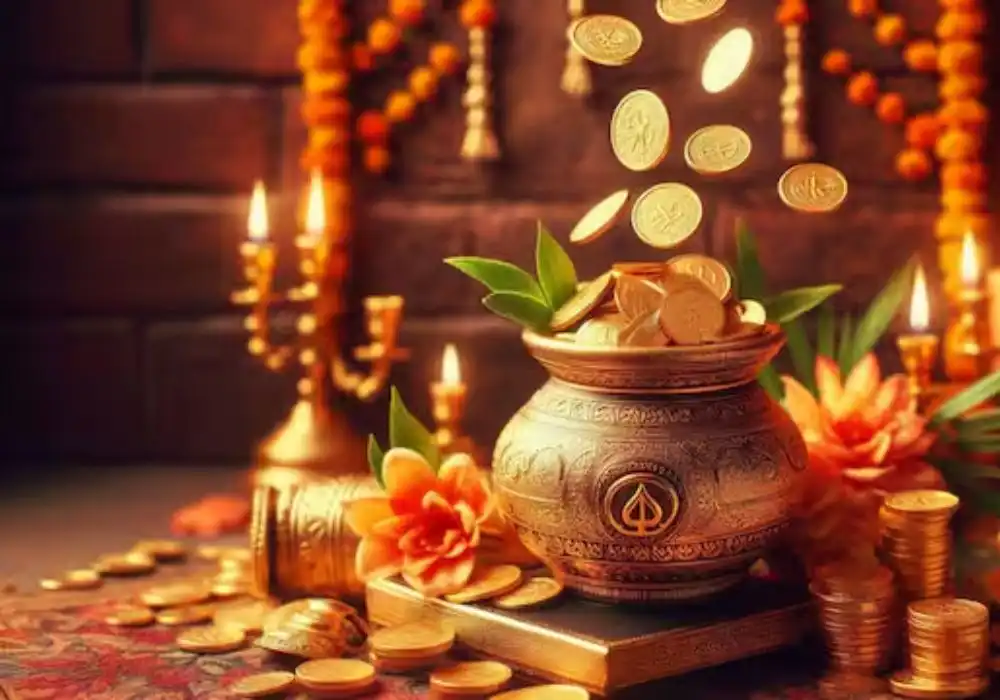
The air hums with anticipation, colors burst forth, and homes shimmer with the glow of lamps – it’s Dhanteras, the vibrant prelude to India’s grandest festival, Diwali. Far more than just a day for shopping, Dhanteras is a celebration rich in mythology, tradition, and cultural significance. For aspirants preparing for competitive examinations like UPSC, SSC, PSC, NID, NIFT, and other government roles, understanding this festival goes beyond mere observation; it’s a deep dive into India’s diverse heritage, offering valuable insights for Static General Knowledge, Current Affairs, and even essay prompts. Let’s unravel the layers of Dhanteras, transforming festive joy into insightful knowledge.
Unpacking Dhanteras: The Festival of Wealth and Well-being
What is Dhanteras? The term “Dhanteras” itself is a fusion of two Sanskrit words: “Dhan,” meaning wealth or riches, and “Teras,” signifying the thirteenth day. It falls on the thirteenth lunar day of the Krishna Paksha (dark fortnight) in the Hindu calendar month of Kartik. This auspicious day marks the official commencement of the five-day Diwali festivities. While widely celebrated, its essence lies in invoking prosperity, good fortune, and health.
Why do we celebrate Dhanteras? The origins of Dhanteras are steeped in fascinating mythology. One prominent legend associates it with the appearance of Lord Dhanvantari, the physician of the Gods and an incarnation of Lord Vishnu, who emerged from the Samudra Manthan (the great churning of the ocean) carrying a pot of Amrita (elixir of immortality) and the science of Ayurveda. Hence, Dhanteras is also observed as National Ayurveda Day, emphasizing health and well-being. Another significant narrative involves Goddess Lakshmi, the deity of wealth, and Lord Kubera, the treasurer of the Gods, whose blessings are sought for financial prosperity. There’s also the poignant story of King Hima’s son, whose life was saved from the god of death, Yama, by his young wife’s clever use of lamps and ornaments to deter the deity. This tale underscores the tradition of lighting “Yama Deepam” to ward off untimely death. These legends collectively highlight the festival’s focus on material wealth, good health, and protection from harm.
Rituals and Traditions: How India Embraces Prosperity
How is Dhanteras celebrated across the country? The celebration of Dhanteras is marked by distinctive rituals that beautifully blend spiritual devotion with material aspirations. Homes undergo thorough cleaning and are often adorned with intricate rangolis at their entrances, symbolizing a welcoming gesture for the deities. A key tradition involves purchasing new items, particularly those made of metal like gold, silver, or new utensils. This act is believed to bring good luck and an increase in wealth, representing new beginnings and prosperity entering the home. Many families also buy new electronic gadgets or vehicles, seeing them as investments that will grow. In the evening, lamps (diyas) are lit, especially at the entrance of the house and in front of the family deity, to illuminate the path for Goddess Lakshmi and to honor Yama. Prayers are offered to Goddess Lakshmi, Lord Kubera, and Lord Dhanvantari, seeking their blessings for financial abundance, good health, and overall well-being. The spirit of festivity is palpable, with bustling markets and joyous gatherings observed in cities and towns nationwide.
Dhanteras in the Grand Tapestry of Diwali
When is Dhanteras in relation to Diwali? Dhanteras is the inaugural day of the five-day grand Diwali festival. It sets the celebratory tone, leading into a series of equally significant days. The second day is Narak Chaturdashi, also known as Choti Diwali or Kali Chaudas, which symbolizes the triumph of good over evil. This is followed by the main Diwali day, dedicated to Lakshmi Puja, marking the peak of the festivities. The fourth day often features Govardhan Puja, commemorating Lord Krishna’s lifting of the Govardhan Hill, and Vishwakarma Puja in some regions. Finally, the celebrations conclude with Bhai Dooj, a day dedicated to strengthening the bond between brothers and sisters. Each day carries its unique mythological significance and traditional practices, forming a cohesive narrative of light, prosperity, and familial bonds.
Beyond Festivities: Its Relevance for Competitive Exams
Why is understanding festivals like Dhanteras crucial for exam aspirants? For anyone aiming to crack government examinations, knowledge of India’s cultural festivals is not just general awareness; it’s a fundamental aspect of the syllabus.
* Static General Knowledge: Questions on the origins of festivals, their associated deities, specific rituals, and regional variations are common. Knowing the mythological significance of Dhanteras (Dhanvantari, Lakshmi, Kubera, Yama) directly feeds into this section.
* Current Affairs: While Dhanteras is a recurring festival, its celebration, economic impact (e.g., gold sales, consumer spending), and government initiatives related to traditional medicine (National Ayurveda Day link) can form part of current events.
* Art & Culture Section (UPSC/PSC): Detailed understanding of festivals provides context for India’s rich cultural heritage, its diversity, and the socio-economic implications of such events.
* Essay and Descriptive Papers: Festivals often serve as excellent topics for essays, where candidates can demonstrate their understanding of India’s social fabric, traditions, and their modern-day relevance. Analyzing the economic aspect or the shift in celebration patterns can fetch extra marks.
* Interview Preparation: Being able to articulate the significance of major Indian festivals showcases a candidate’s well-rounded personality and cultural sensitivity.
By viewing festivals like Dhanteras through an academic lens, aspirants can transform cultural celebrations into valuable points for their examination preparation, enriching their knowledge base and boosting their chances of success.
Frequently Asked Questions (FAQs)
Q1: What is the literal meaning of ‘Dhanteras’ and when is it celebrated?
A1: ‘Dhanteras’ combines ‘Dhan’ meaning wealth, and ‘Teras’ meaning the thirteenth day. It is celebrated on the thirteenth lunar day of the Krishna Paksha (dark fortnight) in the Hindu calendar month of Kartik, marking the beginning of the Diwali festival series.
Q2: Which primary deities are worshipped on Dhanteras, and why?
A2: On Dhanteras, Goddess Lakshmi (for wealth and prosperity), Lord Kubera (the treasurer of the Gods), and Lord Dhanvantari (the physician of the Gods, for good health and well-being) are primarily worshipped. Additionally, lamps are lit for Lord Yama to ward off untimely death.
Q3: What is the significance of buying new items, especially metals, on Dhanteras?
A3: Buying new items, particularly metals like gold, silver, or new utensils, on Dhanteras is considered highly auspicious. It is believed to symbolize the incoming of wealth and prosperity into the home and ward off evil, ensuring good fortune for the year ahead.
Q4: How does Dhanteras relate to the broader five-day Diwali festival?
A4: Dhanteras serves as the first day of the five-day Diwali festival. It sets the stage for the subsequent celebrations, which include Narak Chaturdashi (Choti Diwali), the main Diwali (Lakshmi Puja), Govardhan Puja, and Bhai Dooj.
Q5: Is there any specific health-related significance associated with Dhanteras?
A5: Yes, Dhanteras is significantly linked to health as it is believed to be the day Lord Dhanvantari, the divine physician and propagator of Ayurveda, emerged from the Samudra Manthan. Consequently, this day is also celebrated as National Ayurveda Day, emphasizing the importance of traditional medicine and well-being.





