
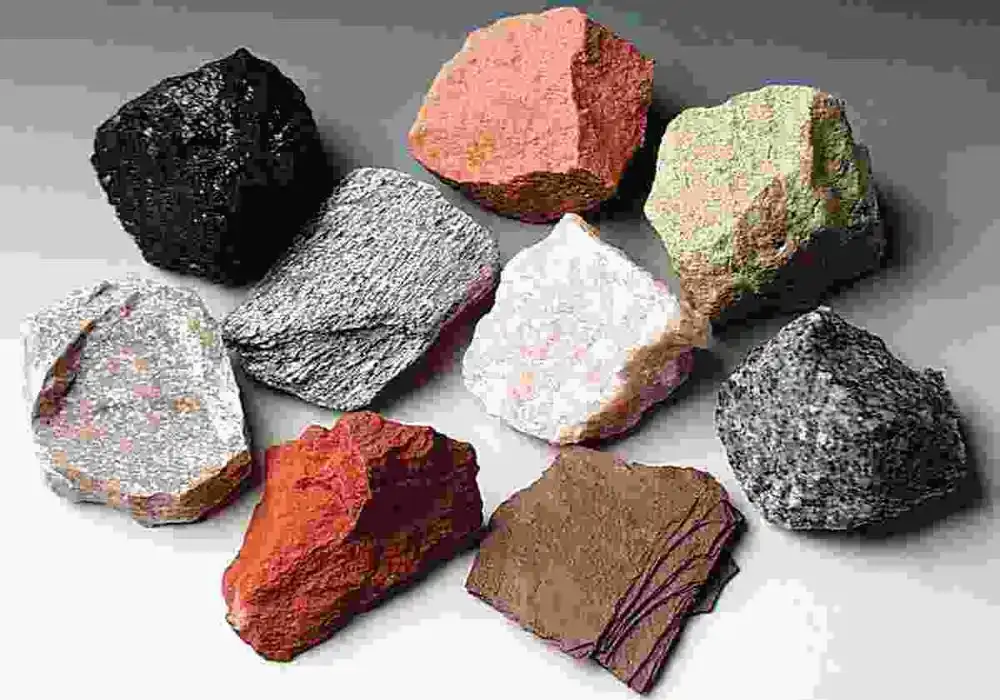
The subtle yet significant reclassification of limestone by the Ministry of Mines marks a pivotal moment in India’s mineral policy. This isn’t just about a rock; it’s about streamlining governance, fostering economic growth, and directly influencing rural livelihoods. For aspiring civil servants and competitive exam candidates, understanding the nuances of this change is crucial, as it touches upon economics, public policy, and current affairs.
Understanding the Shift: From Minor to Major Mineral
Historically, minerals in India are categorized as either “major” or “minor.” The distinction primarily lies in their regulatory framework. Minor minerals, which include building stones, ordinary clay, and ordinary sand, traditionally fall under the administrative control of state governments. This means states have the authority to frame rules, grant mining leases, collect royalties, and manage their extraction. Major minerals, on the other hand, such as coal, iron ore, bauxite, and now limestone, are primarily governed by the central government, specifically under the Mines and Minerals (Development and Regulation) Act, 1957. The recent notification from the Ministry of Mines has elevated limestone from its previous status as a minor mineral to that of a major mineral, aligning it with other crucial industrial resources.
Why This Reclassification Matters: Driving Economic Growth and Rural Prosperity
The core objectives behind this reclassification are multifaceted. Firstly, it aims to significantly boost the “Ease of Doing Business” in the mining sector. When limestone was a minor mineral, each state had its own set of rules and procedures for its extraction and transportation. This fragmented regulatory environment often led to inconsistencies, bureaucratic hurdles, and delays for industries reliant on limestone. By classifying it as a major mineral, the central government’s unified regulations will now apply across the nation. This uniformity is expected to simplify the licensing process, reduce compliance burdens, and create a more predictable operating environment for companies, encouraging investment and efficiency.
Secondly, this move is anticipated to positively impact rural income and development. Limestone mining is often concentrated in rural areas, providing employment opportunities for local communities. With more streamlined and transparent mining operations under central guidelines, there’s a greater potential for organized mining, better practices, and increased revenue generation through royalties. These revenues can then be channeled back into local development projects, improving infrastructure, education, and healthcare in mining-affected regions, thereby directly contributing to the economic well-being of rural populations.
The Regulatory Landscape: Who Controls What?
With limestone now a major mineral, its administration predominantly shifts to the central government. This implies that policies related to its exploration, allocation, and environmental clearances will largely be governed by central laws and regulations. While states will still play a role in ground-level implementation and revenue collection, the overarching framework will be set by the Ministry of Mines. This centralization is intended to bring greater transparency, prevent illegal mining, and ensure sustainable extraction practices through a more robust and uniform regulatory oversight. For competitive exam aspirants, understanding this division of powers between the Union and states concerning mineral resources is a critical aspect of Indian polity and governance.
Broader Implications: Industry, Environment, and Governance
The reclassification of limestone has far-reaching implications. Limestone is a cornerstone for several key industries, most notably cement manufacturing, which uses it as a primary raw material. It’s also vital for the steel industry, agriculture (as a soil conditioner), and various construction activities. A smoother, more predictable supply of limestone under a unified national policy can significantly benefit these sectors, reducing input costs and boosting overall industrial output. From an environmental perspective, central regulation can potentially lead to more stringent and uniform environmental standards for mining operations, mitigating ecological impact and promoting sustainable resource management. For governance, it represents a strategic decision to consolidate control over a vital resource, aiming for greater efficiency and equitable distribution of benefits.
Your Exam Edge: Why This is a Crucial Current Affair & GK Topic
For those preparing for UPSC, SSC, PSC, and other government exams, this development is more than just news; it’s a multi-disciplinary topic. It serves as an excellent example of government policy initiatives aimed at economic reforms and ease of doing business, a frequent theme in economic sections. Its impact on state-central relations, mineral resource management, and rural development makes it relevant for polity and governance questions. Furthermore, understanding the industrial uses of limestone and the rationale behind its classification is valuable static general knowledge. Stay updated on such policy changes, as they often form the basis for direct questions in current affairs, general studies, and even essay papers.
Frequently Asked Questions (FAQs)
1. What is the fundamental difference between a ‘major’ and ‘minor’ mineral in India?
The primary difference lies in their regulatory authority. Minor minerals (like building stones, sand, and clay) are largely administered by state governments, which set rules and collect royalties. Major minerals (like coal, iron ore, and now limestone) are primarily governed by the central government under the Mines and Minerals (Development and Regulation) Act, 1957, ensuring a more uniform national policy.
2. Which government body is responsible for classifying minerals as major or minor in India?
The Union Ministry of Mines is the central authority responsible for classifying minerals as major or minor, as per the provisions of the Mines and Minerals (Development and Regulation) Act, 1957.
3. What are the key industrial uses of limestone?
Limestone is a versatile mineral essential for several industries. Its most significant use is in the manufacturing of cement, where it serves as a primary raw material. It is also crucial for the steel industry as a flux, in agriculture to neutralize soil acidity, and as an aggregate in construction.
4. How does the reclassification of limestone as a major mineral contribute to the ‘Ease of Doing Business’ initiative?
By bringing limestone under central regulation, the reclassification aims to standardize rules and procedures across all states. This eliminates varied state-specific regulations, simplifies the licensing process, reduces compliance burdens, and creates a more predictable and transparent environment for industries, thereby enhancing the ease of doing business.
5. What is the expected impact of this reclassification on rural incomes and development?
The reclassification is expected to boost rural incomes by promoting more organized and efficient mining operations under a unified national policy. This can lead to increased employment opportunities for local communities, fairer royalty distribution, and potentially higher revenues for states that can be reinvested in rural infrastructure and social development projects, directly benefiting the local population.





